Korea with Kids: Complete Family Travel Guide (2026)
South Korea is one of the most underrated family destinations in Asia. It is absurdly safe, spotlessly clean, and has infrastructure that actually accounts for the existence of small humans. Nursing rooms in every subway station. Free transit for kids under six. Heated bathroom floors in traditional guesthouses where toddlers can roll around without freezing. And yet most family travel guides barely mention it beyond "Seoul has Lotte World."
I have traveled Korea with families enough times to know what works and what doesn't. This guide covers the best cities, attractions, transport logistics, food that kids will actually eat, and a realistic itinerary — not the aspirational kind where you somehow visit six neighborhoods before naptime.
Why Korea Is Great for Families
Before getting into specifics, here is why Korea deserves to be on your family shortlist:
- Safety. South Korea consistently ranks among the safest countries in the world. Violent crime against tourists is essentially nonexistent. Kids play in parks unsupervised. You can leave a bag on a café table and it will be there when you come back.
- Cleanliness. Public toilets are maintained to a standard that will genuinely surprise you. Subway stations are spotless. Streets are cleaned daily.
- Free transit for young kids. Children under 6 ride subways and buses for free. Ages 6–12 pay half fare. The T-money transit card works everywhere.
- Nursing rooms everywhere. Major subway stations, department stores, and tourist attractions all have dedicated nursing rooms (수유실) with changing tables, warm water dispensers, and sometimes even bottle sterilizers.
- Kid-sized portions exist. Many restaurants offer 어린이 메뉴 (children's menu) or simply serve smaller portions at lower prices without making a fuss about it.
- Convenience stores are lifesavers. GS25, CU, and 7-Eleven are on every block with milk, snacks, instant noodles, wet wipes, and basic baby supplies. Open 24 hours.
- Excellent healthcare. If anything goes wrong, Korean hospitals are world-class, affordable, and many have English-speaking staff. Pharmacies (약국) carry familiar brands of children's medicine.
Best Cities for Families
Seoul
The obvious starting point and where you will spend the most time. Seoul has the highest concentration of family attractions in Korea — Lotte World, multiple aquariums, palaces where kids can dress up in hanbok, and neighborhoods flat enough for strollers. The subway system is stroller-accessible (elevators at nearly every station), and you're never more than a few minutes from a convenience store or café.
Best family neighborhoods: Jongno (palaces, Bukchon, Insadong crafts), Myeongdong (shopping, street food, central location), Hongdae (street performers, playgrounds, lively atmosphere). See our Seoul accommodation guide for specific family-friendly hotel picks.
Jeju Island
Korea's vacation island is essentially built for families. Beaches, botanical gardens, quirky museums (teddy bear museum, trick eye museum, chocolate museum), horse riding, and Hallasan National Park for older kids who like hiking. Jeju is also flatter and more spread out than the mainland — renting a car here is easy and gives you flexibility that's hard to get with a stroller on Seoul's subway. Full details in our Jeju travel guide.
Busan
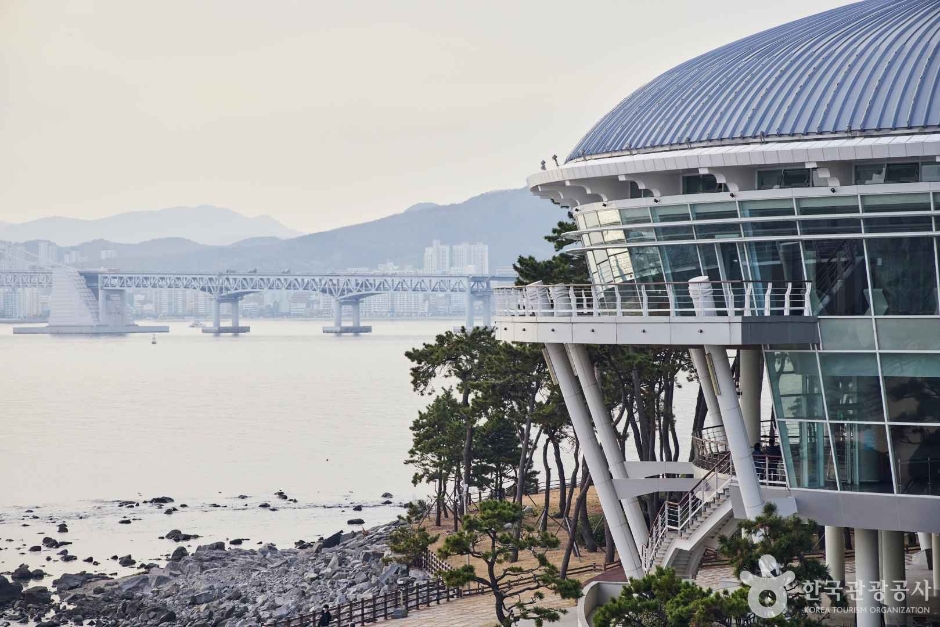
Korea's second city has beaches that Seoul lacks — Haeundae and Gwangalli are clean, well-maintained, and have shallow entry points safe for kids. The SEA LIFE Busan Aquarium sits right on Haeundae Beach. Gamcheon Culture Village is like a colorful outdoor art gallery that kids enjoy exploring. And Jagalchi Fish Market is an education in itself. See our Busan guide and things to do in Busan.
Gyeongju
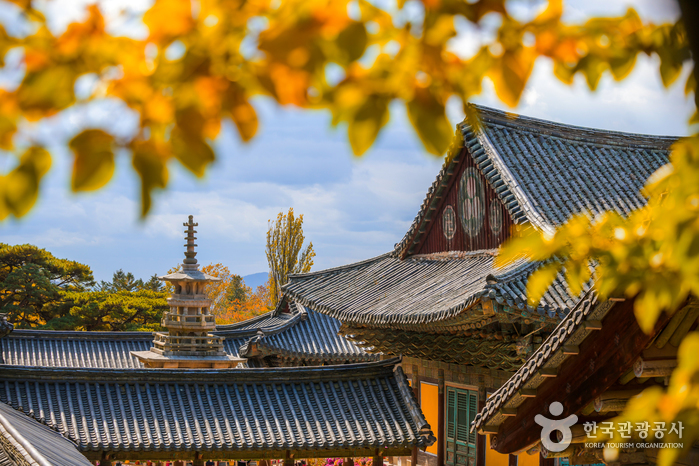
The ancient capital is surprisingly kid-friendly. The royal tombs (Daereungwon) are basically grassy hills that children love climbing. Bulguksa Temple has wide, flat paths. And the whole city is bikeable — you can rent family bikes with child seats and cycle between sites along the Gyeongju Historic Area. Our Gyeongju guide has the full breakdown.
Top Family Attractions
Here is where to take the kids, ranked by how much they will actually enjoy it versus how much you think they should enjoy it.
Theme Parks
| Park | Location | Best Age | Price (Adult/Child) | Why Go |
|---|---|---|---|---|
| Lotte World | Seoul (Jamsil) | 3+ | ₩62,000 / ₩48,000 | Indoor park = no weather worries. Best for younger kids. |
| Everland | Yongin (1hr from Seoul) | 6+ | ₩62,000 / ₩49,000 | Biggest park in Korea. Zoo, roller coasters, seasonal events. |
| Seoul Land | Gwacheon (30min from Seoul) | 2–10 | ₩50,000 / ₩40,000 | Less overwhelming than Lotte/Everland. Good for toddlers. |
Lotte World is the clear winner for families with kids under 10. The indoor section means rain, heat, and cold don't matter — and in Korean summers, that's a genuine advantage. It's also directly connected to Jamsil subway station, so no transfer buses. Lines are shorter on weekday mornings.
Everland is better for older kids who want real roller coasters and the ZooTopia safari. It's a day trip from Seoul — allow 1 hour by shuttle bus from Gangnam. Worth it if your kids are 6+, but exhausting with toddlers.
Aquariums
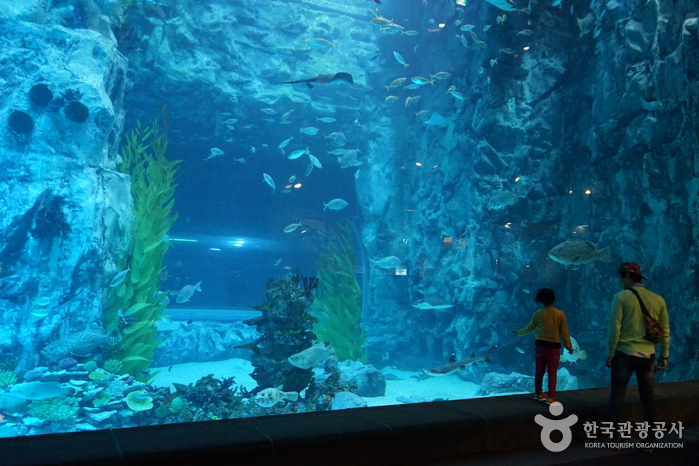
- Lotte World Aquarium (Seoul) — 650+ species including beluga whales and nurse sharks. Right below Lotte World, so you can combine both in one day. Kids under 3 are free.
- Coex Aquarium (Seoul, Gangnam) — 40,000 sea creatures, underwater tunnel, themed tanks. Connected to Coex Mall where you can spend the rest of the afternoon. The Starfield Library inside the mall is free and impressive.
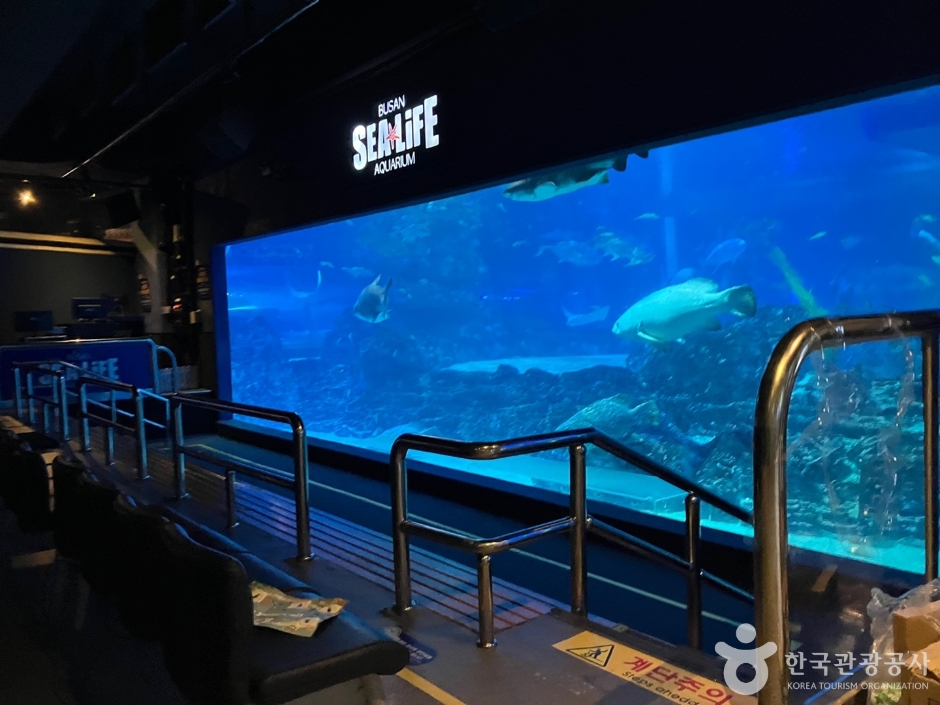
- SEA LIFE Busan Aquarium (Haeundae Beach) — 10,000+ marine animals, touch pools for kids, glass-bottom boat ride. Walk straight to the beach afterward. Book on Klook →
Cultural Experiences Kids Actually Enjoy
- Hanbok dress-up at palaces. Rent a hanbok (traditional costume) for the whole family and get free entry to Gyeongbokgung or Changdeokgung Palace. Kids love the costumes, and the photo ops are incredible. Sizes available from toddler up. Book hanbok rental on Klook →
- Korean cooking class. Older kids (8+) enjoy hands-on cooking classes where they make kimbap, bibimbap, or tteokbokki. Several classes in Seoul cater to families. Book a cooking class →
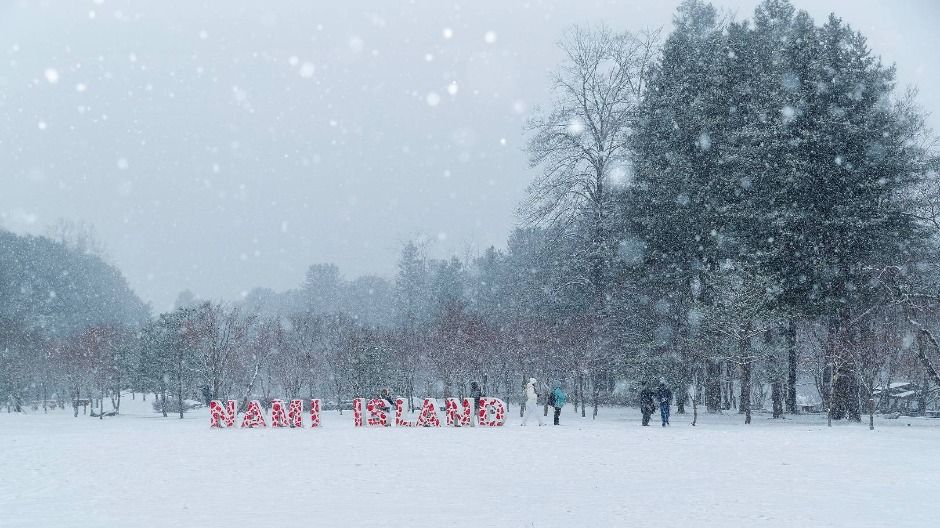
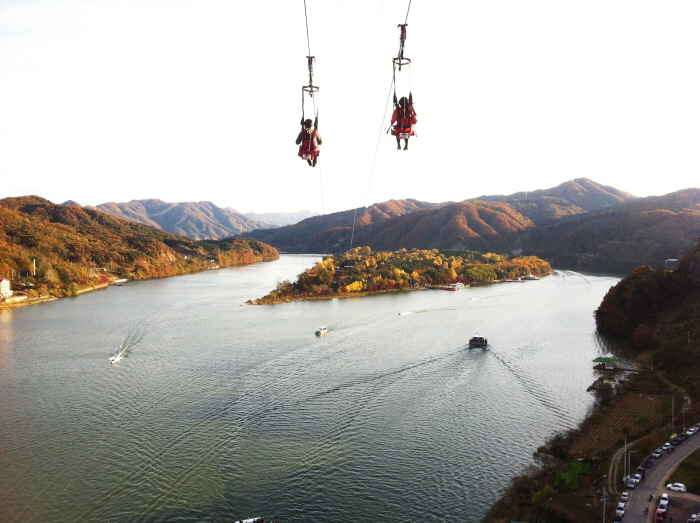
- Nami Island day trip. The tree-lined paths from Korean drama "Winter Sonata" are beautiful year-round, and kids love the zip-line river crossing. Combine with the Garden of Morning Calm or Petite France (a French-themed village that kids inexplicably adore). Book Nami Island tour on Klook → See day trips from Seoul.
- DMZ tour (ages 10+). Older kids who are interested in history find the DMZ fascinating. Most tours have a minimum age of 10–11. Not suitable for younger children.
Save Money with a Klook Pass
If you are planning to visit multiple paid attractions, the Klook Seoul Attraction Pass bundles popular sites at a significant discount. The 5-pick pass (₩79,000) typically saves 30–40% compared to buying individual tickets. Read our full Klook pass comparison to find the right bundle for your family.
Browse Seoul Attraction Passes →
Getting Around Korea with Kids
KTX (High-Speed Train)
The KTX is the best way to travel between cities with children. Seoul to Busan takes 2 hours 15 minutes, and kids can walk around the carriage without disturbing anyone (Korean passengers are extremely tolerant of small children on trains).
| Age | Fare | Seat |
|---|---|---|
| Under 6 | Free | No reserved seat (sits on parent's lap or in empty seats) |
| 6–12 | 50% off adult fare | Own reserved seat |
| 13+ | Full adult fare | Own reserved seat |
Book on the Korail app or website 1 month in advance, especially for weekends and holidays. Standing tickets are miserable with children — always book seated. Full details in our Seoul to Busan transport guide.
Seoul Subway
Almost every station has elevators now (look for the 엘리베이터 signs or the blue wheelchair symbol on station maps). The system is clean, air-conditioned, and runs every 3–5 minutes. Kids under 6 ride free — just walk through the wide gate or the gate for strollers/wheelchairs.
Stroller tips: Avoid lines 1 and 2 during rush hour (7:30–9:00 AM, 6:00–7:30 PM) — they are genuinely packed. Lines 3, 4, and the newer lines (9, Shinbundang) are less crowded. The gap between platform and train is small but be careful at curved stations.
Taxis
Korean taxis are cheap and plentiful. Use the Kakao T app (English available) to hail taxis — it shows the fare estimate upfront and avoids communication issues. Car seats are not required by law for taxis in Korea, but if you bring your own portable car seat, drivers will accommodate it. Base fare is ₩4,800 (~$3.50 USD) in Seoul.
Car Rental (Jeju)
On Jeju Island, renting a car is strongly recommended with kids. Attractions are spread across the island, and buses are infrequent. International driving permits are accepted. Major rental companies (Lotte, Jeju, SK) have child seats available — request in advance.
Kid-Friendly Korean Food
Korean food is not all spicy. Here are dishes that children consistently enjoy:
- Kimbap (김밥) — Korean rice rolls. Mild, portable, cheap (₩3,000–₩5,000). Every neighborhood has a kimbap restaurant. Think of it as the Korean sandwich.
- Bibimbap (비빔밥) — Rice with vegetables and egg. Order without gochujang (red pepper paste) and it's completely mild. Kids can mix their own bowl.
- Tteokbokki mild version (떡볶이) — Ask for 안 매운 떡볶이 (an maewun tteokbokki = "not spicy tteokbokki"). Some shops sell 로제 떡볶이 (rosé tteokbokki) which is cream-based and mild.
- Korean fried chicken (치킨) — Available everywhere. Kids love the sweet soy garlic (간장) flavor. Order "양념 반 후라이드 반" to get half seasoned, half plain.
- Ramyeon (라면) — Instant noodles are a staple at convenience stores. The "cheese ramyeon" version is milder and kid-approved.
- Hotteok (호떡) — Sweet pancakes filled with brown sugar, cinnamon, and nuts. Street food dessert that every child on earth would eat.
- Convenience store snacks — Banana milk (바나나맛 우유), triangle kimbap, corn dogs, egg bread. See our convenience store food guide for the full breakdown.
Allergy note: Sesame oil and soy sauce are in almost everything. If your child has a nut allergy, carry a Korean-language allergy card — most restaurants will accommodate you. Pharmacies sell common antihistamines without prescription.
Where to Stay with Kids
Korean accommodation has some family-friendly options you won't find elsewhere:
- Ondol rooms (heated floor rooms). Traditional Korean rooms where you sleep on thick mattresses (요) on a heated floor. No bed to fall out of — perfect for toddlers. Many hotels and guesthouses offer ondol rooms alongside Western-style beds.
- Hanok stays. Traditional Korean houses in Jeonju, Bukchon (Seoul), or Gyeongju. Kids love the courtyard space and the novelty of sleeping on the floor. Book in advance during peak seasons.
- Serviced apartments / Airbnb. For stays over 3 nights, a serviced apartment with a kitchen and washing machine makes family life much easier. Areas like Myeongdong, Dongdaemun, and Hongdae have plenty of options.
- Resort hotels with kids pools. Jeju has several resort hotels with children's pools and play areas — Lotte Hotel Jeju, Shinhwa World, and Playce Camp Jeju are popular family picks.
See our accommodation guides for Seoul, Busan, Jeju, and Gyeongju for specific recommendations.
Sample 7-Day Family Itinerary
This itinerary balances sightseeing with realistic pacing for families. Swap Jeju for Busan if your kids prefer beaches and aquariums over nature and quirky museums.
Days 1–4: Seoul
| Day | Morning | Afternoon | Evening |
|---|---|---|---|
| 1 | Arrive, check in, explore neighborhood | Myeongdong street food walk | N Seoul Tower (sunset views) |
| 2 | Gyeongbokgung Palace in hanbok | Bukchon Hanok Village walk → Insadong crafts | Gwangjang Market dinner |
| 3 | Lotte World (arrive at opening) | Lotte World + Aquarium | Jamsil area dinner |
| 4 | Nami Island day trip (zip line + island) | Garden of Morning Calm or Petite France | Return to Seoul |
Days 5–7: Jeju Island
| Day | Morning | Afternoon | Evening |
|---|---|---|---|
| 5 | Fly to Jeju (1hr), pick up rental car | Manjanggul Lava Tube | Jeju City seafood dinner |
| 6 | Seongsanilchulbong (Sunrise Peak, easy hike) | Udo Island bike ride or Aqua Planet aquarium | Black pork BBQ in Seogwipo |
| 7 | Teddy Bear Museum or Jeju Shinhwa World | Beach time (Hyeopjae Beach) | Fly home |
For more itinerary options, see our 7, 10, and 14-day Korea itinerary guide and Seoul 3-day itinerary.
Practical Tips (Diapers, Pharmacies, Gear)
- Diapers (기저귀). Available at every convenience store, supermarket, and Olive Young. Korean brands (Bosomi, Huggies Korea) are excellent quality and cheaper than importing Western brands. Sizes run slightly small — go one size up from what you'd buy at home.
- Baby formula and milk. Korean formula brands are available at pharmacies and supermarkets. If your child needs a specific brand, bring enough from home. Fresh milk (우유) is sold at every convenience store.
- Stroller rental. Major attractions like Lotte World, Everland, and the National Museum of Korea offer stroller rental on-site. Some hotels lend strollers for free — ask at check-in.
- Pharmacies (약국). Over-the-counter children's fever reducers (Tylenol, ibuprofen), antihistamines, and rehydration salts are readily available. Pharmacists in tourist areas often speak basic English. Look for the green cross sign.
- Nursing rooms (수유실). Most subway stations on major lines, department stores (Lotte, Shinsegae, Hyundai), and large attractions have dedicated nursing rooms. The Naver Map app shows nursing room locations — search for 수유실.
- Wi-Fi and connectivity. Get an eSIM or pocket WiFi before arrival so you can use maps, translation apps, and messaging from the moment you land. See our Korea SIM card guide.
- Translation. Papago (Naver's translation app) is far more accurate for Korean than Google Translate. Download it before your trip. The camera translation feature works well for menus.
- Travel insurance. Korean healthcare is affordable even without insurance, but travel insurance with medical coverage is still recommended for families. An ER visit might cost ₩50,000–₩200,000 ($37–$150 USD) out of pocket for minor issues.
For a full breakdown of costs, see our Korea travel budget guide.
FAQ
What is the best age to take kids to Korea?
Korea works for all ages, but the sweet spot is 4–12 years old. Old enough to enjoy theme parks, palace dress-up, and trying new food — young enough to still think a heated bathroom floor is the coolest thing ever. Babies and toddlers are easy to travel with thanks to the infrastructure, but you will get less sightseeing done.
Is Korea safe for children?
Extremely. South Korea has one of the lowest crime rates in the world. It is common to see young children walking to school alone in Korean cities. Tourist areas are well-lit, well-policed, and feel safe at all hours.
Do I need a car seat in Korea?
Korean law requires car seats for children under 6 in private vehicles, but taxis are exempt. If you are renting a car (especially on Jeju), request a child seat in advance from the rental company. If you are only using taxis and public transit, you do not need to bring one.
Can I bring a stroller on the subway?
Yes. Seoul's subway system has elevators at nearly every station and priority spaces for strollers in the carriages. Avoid rush hour on Lines 1 and 2. The wide gates at station entrances are designed for strollers and wheelchairs.
What if my child is a picky eater?
Korea has you covered. Kimbap, plain rice, Korean fried chicken, cheese tteokbokki, convenience store triangle rice balls, corn dogs, and banana milk are all mild, widely available, and kid-tested. Western fast food chains (McDonald's, Burger King, Subway) are also common in tourist areas if you need a familiar fallback.
Do Korean hotels have cribs?
Most mid-range and upper hotels can provide a crib (아기 침대) on request. Budget guesthouses may not have them, but ondol (floor) rooms eliminate the need entirely — lay out a mattress and the heated floor does the rest. Always call ahead to confirm.
When is the best time to visit Korea with kids?
April–May (spring, cherry blossoms, comfortable temperatures) and September–October (autumn, foliage, cool weather) are ideal. Summer (July–August) is hot and humid with monsoon rain. Winter (December–February) is cold but manageable with the right gear — and there are fewer crowds. See our autumn foliage guide and cherry blossom guide for timing.