Where to Stay in Seoul: Best Neighborhoods for First-Time Visitors
Where to Stay in Seoul: Best Neighborhoods for First-Time Visitors
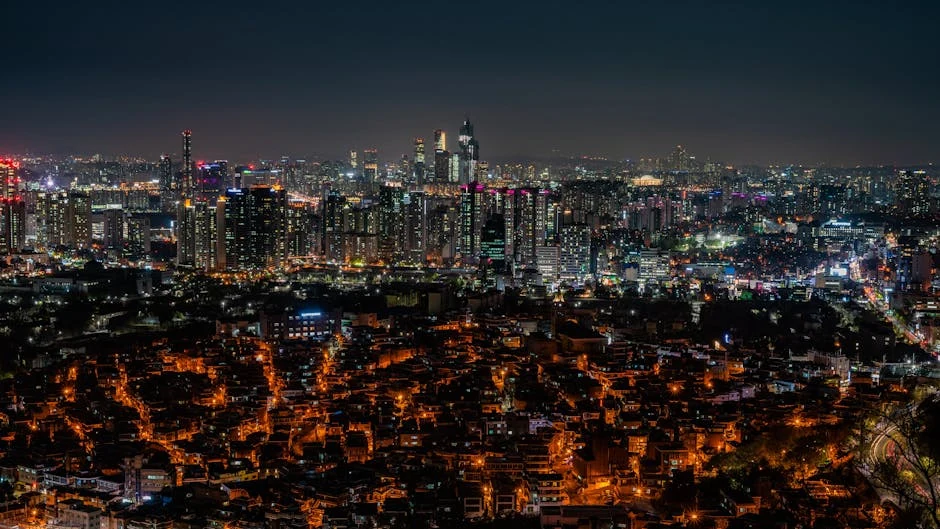
Choosing where to stay in Seoul matters more than in most cities. Seoul is enormous — over 25 million people in the metro area — and while the subway system is world-class, staying in the wrong neighborhood can mean an extra 40 minutes on every outing, or finding yourself in a quiet residential district when you wanted nightlife at your doorstep.
I've stayed in every major tourist neighborhood across dozens of visits, and each one delivers a genuinely different experience. This guide gives you the unfiltered version — not just the highlights, but the trade-offs nobody mentions until you're already checked in.
Quick Overview: Seoul's Best Neighborhoods for Tourists
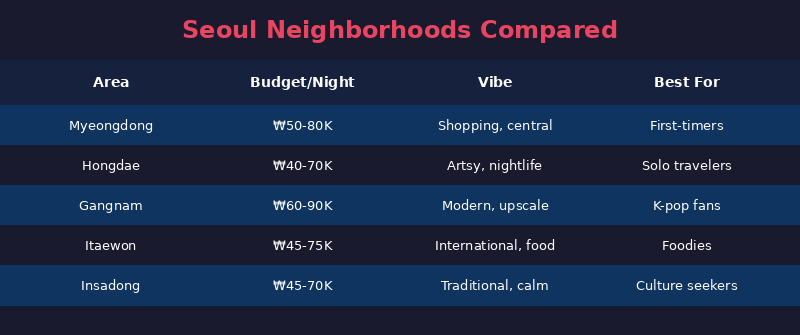
Before we dive deep, here's a snapshot to help you shortlist:
| Neighborhood | Vibe | Budget/Night | Mid-Range/Night | Luxury/Night | Best For |
|---|---|---|---|---|---|
| Myeongdong | Shopping, central, tourist-friendly | ₩50,000-80,000 ($37-60) | ₩120,000-200,000 ($89-149) | ₩300,000+ ($223+) | First-timers, shoppers |
| Hongdae | Young, artsy, nightlife | ₩40,000-70,000 ($30-52) | ₩100,000-170,000 ($74-126) | ₩250,000+ ($186+) | Solo travelers, under-35s |
| Gangnam | Modern, upscale, business | ₩60,000-90,000 ($45-67) | ₩150,000-250,000 ($112-186) | ₩400,000+ ($298+) | Luxury seekers, K-pop fans |
| Itaewon | International, diverse, foodie | ₩45,000-75,000 ($34-56) | ₩110,000-180,000 ($82-134) | ₩280,000+ ($209+) | International food lovers |
| Insadong/Jongno | Traditional, cultural, calm | ₩45,000-70,000 ($34-52) | ₩100,000-180,000 ($74-134) | ₩350,000+ ($261+) | Culture seekers, older travelers |
| Dongdaemun | Markets, late-night shopping | ₩35,000-60,000 ($26-45) | ₩80,000-150,000 ($60-112) | ₩200,000+ ($149+) | Budget travelers, night owls |
Search Seoul hotels by neighborhood →
Myeongdong: The Safest Bet for First-Time Visitors
If this is your first time in Seoul and you want zero friction, Myeongdong is the default answer — and it's the default for good reason. Everything is set up for international tourists here. Signs are in English, staff at restaurants and shops are accustomed to foreigners, and you're walking distance to Namsan Tower, Namdaemun Market, and the palace district.
The main drag is a pedestrian shopping street packed with Korean beauty brands (Innisfree, Etude House, Olive Young), street food vendors selling hotteok and egg bread, and enough sensory stimulation to keep you entertained for hours. It's also a major transit hub — Myeongdong Station (Line 4) and Euljiro 1-ga (Line 2) are both right there, connecting you to the entire city within minutes.
Pros
- Most central location for major attractions
- Incredible street food scene (especially along the main pedestrian street)
- Easy airport bus connections from Incheon
- English widely spoken
Cons
- Extremely crowded on weekends — shoulder-to-shoulder on the main street
- Accommodation is pricier than average for what you get
- Can feel touristy and sanitized — this isn't \"authentic\" local Seoul
- Nightlife shuts down relatively early compared to Hongdae
Where to book: For budget, look at the guesthouses and hostels on the side streets behind the main shopping area — they're significantly cheaper than anything on the main drag. Mid-range travelers should search around Euljiro, a 5-minute walk away, where you'll find newer hotels at Myeongdong-adjacent prices. The Lotte Hotel sits at the luxury end and is hard to beat for location.
Hongdae: Best for Solo Travelers and Nightlife
Hongdae (short for Hongik Daehakgyo, the university that anchors the area) is Seoul's creative heartbeat. The streets around Hongik University Station are lined with indie boutiques, vinyl record shops, busking stages, and more cafes per square kilometer than seems physically possible. If Myeongdong is Seoul's tourist center, Hongdae is where young Koreans actually hang out.
The nightlife here is in a different league. Clubs and bars run until 5 or 6 AM on weekends, and the energy on a Friday night is electric. But Hongdae isn't just a party zone — by day, it's full of vintage shops, art galleries, and some of the best brunch spots in the city.
Pros
- Best nightlife in Seoul, hands down
- Affordable accommodation (hostels from ₩20,000/night in dorms)
- Young, creative atmosphere — great for meeting other travelers
- Excellent food variety at student-friendly prices
- Direct airport railroad (AREX) connection to Incheon
Cons
- Noisy at night, especially Thursday through Saturday — light sleepers beware
- Farther from the palace district and traditional sights
- Can feel overwhelming if you prefer quiet neighborhoods
- Weekend crowds rival Myeongdong
Insider tip: Stay one station away in Hapjeong or Mangwon-dong. You get the same neighborhood vibe, a much quieter night's sleep, and Mangwon Market (a local food market with almost no tourists) right on your doorstep. It's a 10-minute walk or one subway stop to the Hongdae action.
Gangnam: Upscale Seoul with K-Pop Credentials
Yes, that Gangnam. South of the Han River, Gangnam is Seoul's business and luxury district — think wide boulevards, gleaming skyscrapers, high-end department stores, and the kind of restaurants where the presentation alone is worth the price.
For K-pop fans, Gangnam is pilgrimage territory. major entertainment company headquarters (note: HYBE Insight in Yongsan closed in 2023 — check current K-pop experience venues before visiting), SM Entertainment's buildings, and countless K-pop themed cafes are all in the broader Gangnam area. COEX Mall, one of the largest underground shopping centers in the world, houses the famous Starfield Library with its towering bookshelves.
Pros
- Premium hotel quality — this is where the five-stars cluster
- K-pop attractions and entertainment company headquarters
- Excellent Korean BBQ restaurants (Gangnam has some of the city's best meat)
- Less crowded than north-of-river tourist areas
Cons
- South of the river — most first-timer attractions are on the north side
- More expensive across the board (food, drinks, accommodation)
- Can feel corporate and sterile, especially around the office towers
- Less walkable than Myeongdong or Hongdae — the blocks are larger
Budget hack: If you want the Gangnam location without the Gangnam price tag, look at hotels near Samseong Station or Seolleung Station. They're technically Gangnam but a few stops from the main drag, and prices drop noticeably.
Itaewon: International Flavor and the Best Food Scene
Itaewon has undergone a remarkable transformation. Once known primarily as the area near the US military base, it's evolved into Seoul's most internationally diverse neighborhood. The food scene here is unmatched — you'll find authentic Mexican, Turkish, Indian, Nigerian, and Middle Eastern restaurants alongside innovative Korean fusion spots.
Itaewon is also home to the Yongsan District area, which includes the massive Yongsan Station (a major transit hub with KTX high-speed rail connections) and the new National Museum of Korea. The neighborhood climbs up the hill toward Namsan, and some of the backstreet cafes up there have stunning city views.
Pros
- Best international food selection in all of Seoul
- Diverse, welcoming atmosphere — popular with LGBTQ+ travelers
- Halal food widely available (Itaewon's mosque area has a whole halal strip)
- Close to Namsan Tower via walking
- Yongsan Station connects to KTX for day trips
Cons
- The area is still recovering from the 2022 tragedy — some parts feel quieter than before
- Hilly terrain means lots of walking uphill
- Not the best subway connectivity (only Line 6, which is slower)
- Some streets can feel empty during weekday daytime
Where to explore: Don't miss Gyeongnidan-gil and Haebangchon (HBC), the side streets climbing the hill above Itaewon's main road. These are where locals go for weekend brunch and craft cocktails. For more detail on eating your way through Seoul, check our ultimate Seoul food guide.
Insadong and Jongno: Traditional Seoul at Your Doorstep
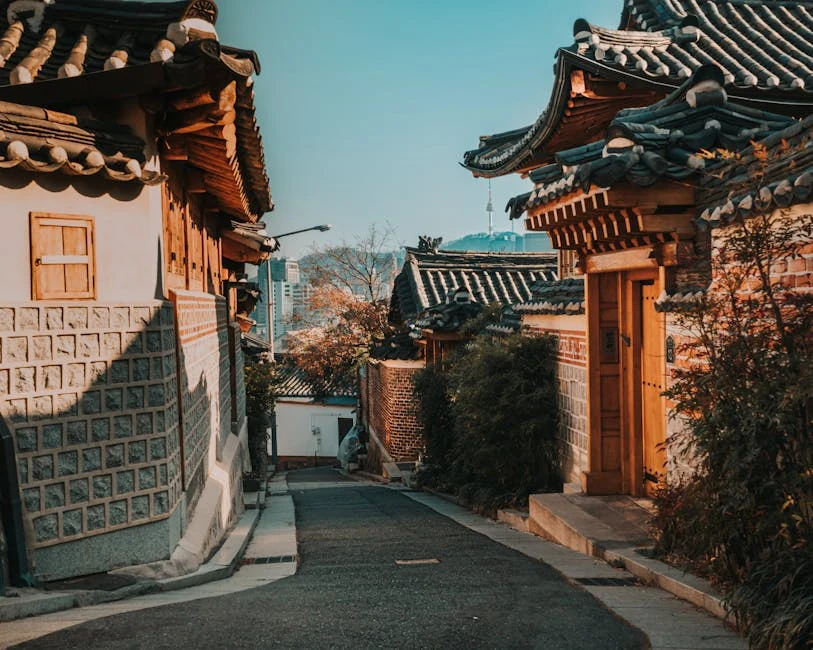
If palaces, temples, tea houses, and traditional craft shops are your priority, Insadong and the surrounding Jongno district are where you want to be. This is old Seoul — the neighborhood that predates the skyscrapers and K-pop by centuries.
Insadong's main street is a winding pedestrian road filled with galleries, traditional paper shops, and tea houses where you drink from ceramic cups while sitting on floor cushions. Gyeongbokgung Palace is a 10-minute walk away. Bukchon Hanok Village — the famous neighborhood of traditional Korean houses — is just over the hill.
Pros
- Walking distance to all five major palaces
- Traditional Korean atmosphere — hanok guesthouses available
- Quieter in the evenings than Myeongdong or Hongdae
- Excellent traditional Korean restaurants (try the samgyetang — ginseng chicken soup)
- Anguk Station (Line 3) and Jongno 3-ga (Lines 1, 3, 5) provide solid transit access
Cons
- Limited nightlife options
- Can feel sleepy after 9 PM
- Some hanok guesthouses have thin walls and shared bathrooms — check reviews carefully
- Fewer international food options
Accommodation tip: Staying in an actual hanok (traditional Korean house) is an experience worth having at least once. You sleep on a yo (floor mattress) with ondol (under-floor heating) beneath you. It's surprisingly comfortable, and places like the ones near Bukchon offer a genuinely unique stay. Just book one with a private bathroom unless you're comfortable sharing.
For more on the palace district, read our complete guide to Seoul's five grand palaces.
Browse Insadong and Jongno hotels →
Dongdaemun: Budget-Friendly with Late-Night Energy
Dongdaemun is Seoul's market district, and its rhythm is unlike anywhere else. The massive Dongdaemun Design Plaza (DDP) anchors the area with its Zaha Hadid-designed curves, and the surrounding wholesale fashion markets operate through the night — literally. If you're a night owl, you can shop for clothes at 3 AM here.
For budget travelers, Dongdaemun offers the best value accommodation in central Seoul. It's not the prettiest neighborhood, but it's honest and well-connected, with the major Lines 1, 2, 4, and 5 all passing through.
Pros
- Cheapest central accommodation in Seoul
- 24-hour energy — markets and restaurants open all night
- Excellent subway connectivity
- Great for wholesale fashion shopping
Cons
- Not the most scenic neighborhood
- Geared toward Korean wholesale buyers, not tourists
- Can feel chaotic and overwhelming
Practical Tips for Booking Seoul Accommodation
Book early for peak seasons. Cherry blossom season (late March to mid-April) and autumn foliage (October-November) fill Seoul hotels fast. Prices can double during these periods.
Consider apartment rentals for stays over 5 nights. Seoul has an excellent selection of serviced apartments and Airbnb-style stays, especially in Hongdae and Gangnam. A small apartment with a washing machine and kitchen can save you a fortune on laundry and meals.
Check the distance to the nearest subway station. Also consider the Airport Limousine Bus — for neighborhoods like Myeongdong and Gangnam, the direct bus from Incheon Airport is often easier than the subway when you have heavy luggage. In Seoul, being within a 5-minute walk of a subway station is more important than almost any other factor. The subway is clean, safe, fast, and runs from approximately 5:30 AM to midnight. If your accommodation is more than 10 minutes from a station, you'll feel it on every outing. See our subway guide for navigation tips.
Don't overlook \"love motels.\" This sounds dubious, but Korea's motels (called \"motel\" in Korean) are actually a legitimate budget accommodation option. Many have been renovated into clean, modern rooms with large TVs, fast WiFi, and jacuzzi tubs. Use booking platforms to filter by review score and photos — you'll find gems for ₩40,000-₩60,000 per night that rival mid-range hotels.
Frequently Asked Questions
Is Seoul safe to stay in any neighborhood?
Yes. Seoul is one of the safest major cities in the world. Violent crime against tourists is extremely rare, and you can walk alone at night in virtually any neighborhood without concern. The biggest risk is petty theft in very crowded tourist areas — keep your phone secure on packed subways.
Should I stay north or south of the Han River?
For first-time visitors, stay north. The vast majority of tourist attractions — palaces, Myeongdong, Hongdae, Itaewon, Insadong, Bukchon, Namsan — are north of the river. Gangnam (south) is great for K-pop fans and luxury seekers, but you'll spend extra time commuting to the main sights.
How far in advance should I book accommodation in Seoul?
For peak seasons (cherry blossom April, autumn October-November), book 2-3 months ahead. For regular periods, 2-4 weeks is usually fine. Last-minute deals exist but limit your neighborhood options significantly.
What is the best area to stay in Seoul for families?
Myeongdong or Jongno. Both are central, walkable, and have wider sidewalks than some other neighborhoods. Myeongdong's proximity to Lotte World (reachable via Line 2) and family-friendly restaurants make it especially practical. Many mid-range hotels offer family rooms. For attraction planning, see our guide to Klook passes for Seoul.
Do I need to speak Korean to get around Seoul?
Not at all. The subway system has full English signage and announcements. Hotels in tourist areas have English-speaking staff. Restaurant menus increasingly have English translations or photos. Google Maps and Naver Map both work well for navigation. That said, learning the Korean alphabet (Hangul) takes about 2 hours and dramatically improves your ability to read signs, menus, and subway station names.
Find Your Perfect Seoul Neighborhood
Search hotels by neighborhood, compare prices, and book with free cancellation on most properties. Filter by guest rating to find the best value in your preferred area.