Seoul 7-Day Itinerary — The Perfect Week in Seoul (2026)
Last updated: March 2026
A week in Seoul is the sweet spot. Three days is a sprint — you'll see the highlights but leave feeling like you barely scratched the surface. Seven days lets you actually know the city. You'll have a favorite coffee shop by Day 4, a preferred subway line by Day 5, and strong opinions about which neighborhood has the best tteokbokki by Day 7.
This itinerary is built for real travelers, not tour buses. Each day flows geographically so you're not zigzagging across the city, and I've built in enough breathing room that you can linger at a cafe or chase a random alley without blowing up the schedule. Every neighborhood, meal spot, and transport connection has been personally walked and tested.
Before you start, sort out your SIM card or pocket WiFi — you'll need data for Naver Map, which is essential for navigating Seoul (Google Maps doesn't do transit directions properly here). Grab a T-money card at any convenience store for ₩2,500 and load it with ₩50,000 for the week. Our Seoul subway guide covers everything you need to know about the metro system.
Budget Overview
Here's what a week in Seoul actually costs per person, per day:
| Category | Budget (₩80,000/day) | Mid-Range (₩200,000/day) |
|---|---|---|
| Meals (3/day) | ₩30,000–₩40,000 | ₩70,000–₩100,000 |
| Transport | ₩5,000–₩8,000 | ₩10,000–₩15,000 |
| Attractions | ₩5,000–₩10,000 | ₩20,000–₩40,000 |
| Snacks & Coffee | ₩5,000–₩10,000 | ₩15,000–₩25,000 |
| Shopping/Extras | ₩10,000–₩20,000 | ₩30,000–₩50,000 |
For a deeper breakdown, see our Korea travel budget guide. For accommodation, check where to stay in Seoul — staying in Hongdae or Jongno puts you central for this itinerary.
Day 1: Arrival — Palaces, Bukchon, and Insadong
Theme: Historic Seoul — get your bearings in the traditional heart of the city.
Morning: Gyeongbokgung Palace
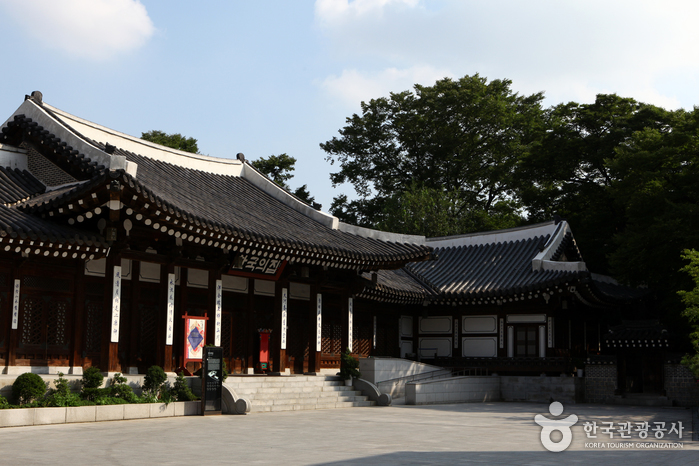
Start at Seoul's grandest palace. Take Line 3 to Gyeongbokgung Station (Exit 5) and walk straight to the main gate. Admission is ₩3,000 — or free if you wear hanbok. Rental shops nearby charge ₩15,000–₩25,000 for two hours. Catch the Royal Guard Changing Ceremony at 10:00 AM at Gwanghwamun Gate. Allow 1.5–2 hours for the full grounds. Our Seoul palaces guide has the full breakdown of what to see inside.
For breakfast before the palace, try Tosokchon Samgyetang (5-min walk from Exit 2) — ginseng chicken soup for ₩19,000. Gets busy, but the line moves fast.
Afternoon: Bukchon Hanok Village and Insadong
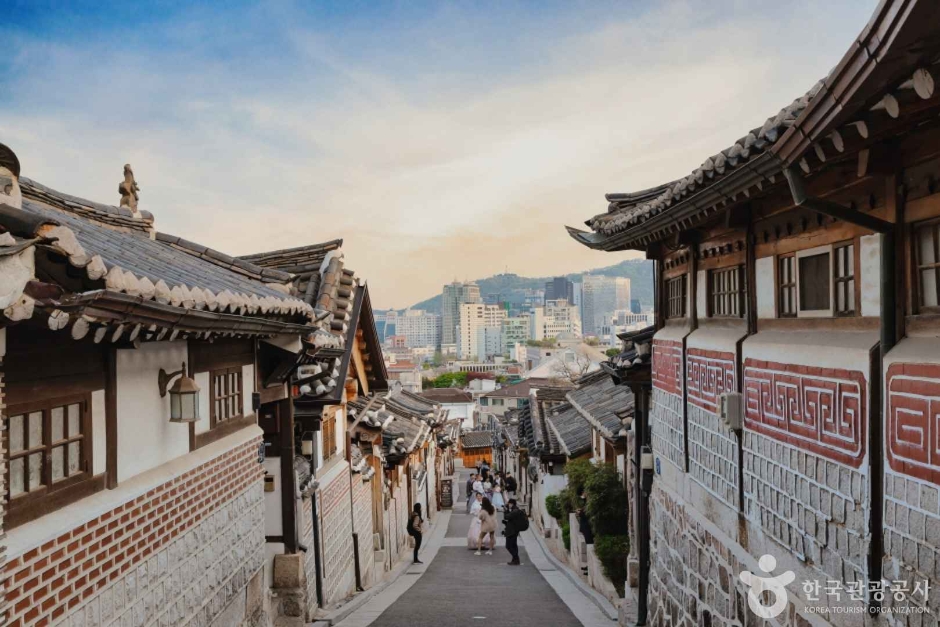
Walk northeast from Gyeongbokgung (15 minutes) into Bukchon Hanok Village. The classic photo spot is Bukchon 8-gil — the row of traditional hanok houses against the city skyline. Keep your voice down; people actually live here.
Continue downhill into Insadong (10-minute walk) for lunch. Korean set meals (hanjeongsik) run ₩15,000–₩25,000 at the small restaurants along the main alley. Browse Ssamzigil complex for independent craft shops afterward.
Evening: Ikseon-dong and Cheonggyecheon Stream
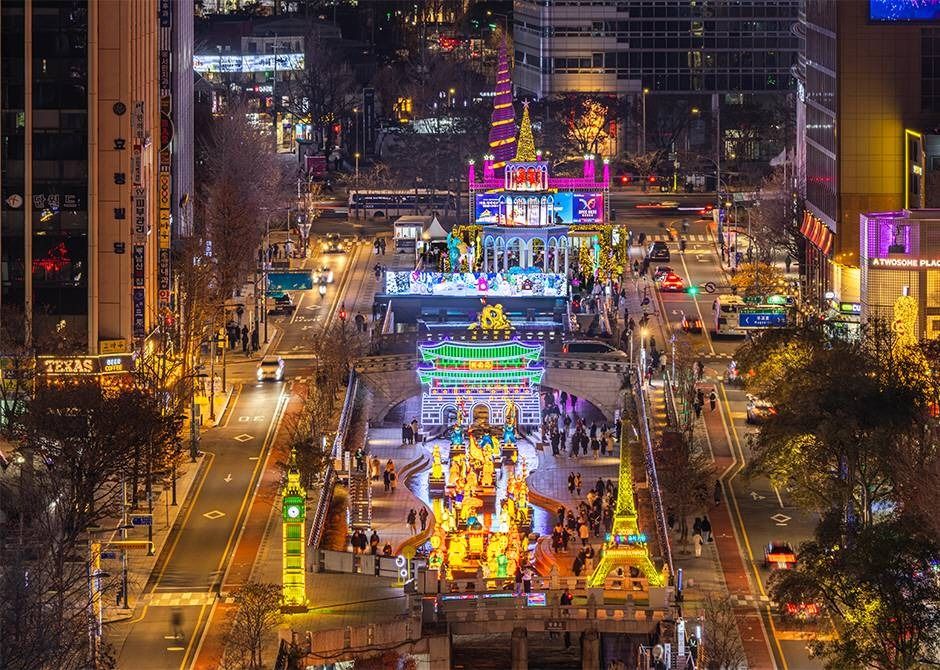
Walk 10 minutes south to Ikseon-dong, where century-old hanok have been converted into wine bars, dessert cafes, and vintage shops. Grab dinner here — fusion Korean restaurants run ₩12,000–₩20,000 — then walk off the meal along the illuminated Cheonggyecheon Stream, following it westward toward Gwanghwamun.
Insider tip: If you arrive on a weekday, the Changdeokgung Secret Garden tour (₩8,000 total with palace entry) is far less crowded than weekends. Book online in advance — slots fill up fast in spring and autumn.
Day 1 budget: ₩65,000 budget / ₩150,000 mid-range
Day 2: Hongdae, Yeonnam-dong, and Mangwon
Theme: Indie and creative Seoul — music, art, and the city's best coffee.
Morning: Yeonnam-dong Brunch
Take Line 2 to Hongik University Station (Exit 3) and walk into Yeonnam-dong, the quiet residential-turned-trendy neighborhood behind the station. Start with brunch at one of the many independent cafes along Yeonnam-dong's tree-lined streets. Expect ₩12,000–₩18,000 for a proper brunch set. The Gyeongui Line Forest Park runs through the neighborhood — it's a converted railway turned linear park, perfect for a morning stroll.
Afternoon: Mangwon Market and Mangwon-dong
Walk north (20 minutes) or take a short bus ride to Mangwon Market. This is a proper local market — less tourist-oriented than Gwangjang, and you'll find incredible tteokbokki, fresh mandu, and seasonal fruit at stall-vendor prices (₩3,000–₩6,000 per snack). The surrounding Mangwon-dong neighborhood is packed with bakeries and specialty coffee roasters.
Evening: Hongdae Nightlife
Circle back to Hongdae proper as the sun goes down. The area around the main street transforms after 6 PM — buskers, indie band performances, and street artists take over. For dinner, check our Hongdae food guide — the neighborhood has everything from ₩8,000 kimchi jjigae joints to trendy ramen spots at ₩15,000. If you're into nightlife, Hongdae's clubs and live music venues start filling up after 10 PM (cover charges ₩10,000–₩20,000).
Insider tip: Skip the main Hongdae drag on Friday and Saturday nights if you don't like crowds. Instead, explore the back alleys around Eoulmadang-ro — the food is better and the vibe is more local.
Day 2 budget: ₩70,000 budget / ₩180,000 mid-range
Day 3: Myeongdong, Namsan Tower, and Namdaemun Market
Theme: Classic tourist Seoul — shopping, views, and street food overload.
Morning: Myeongdong Shopping
Take Line 4 to Myeongdong Station (Exit 6). This is Seoul's flagship shopping district — K-beauty shops, department stores, and street food vendors line every block. The best beauty deals are at Olive Young and the brand flagship stores (Innisfree, Etude House, Missha). If skincare is your thing, our Korean skincare shopping guide will save you money.
Street food breakfast here is cheap and excellent: egg bread (gyeran-bbang, ₩2,000), hotteok (₩1,500), or tornado potatoes (₩4,000).
Afternoon: Namsan Tower
Walk from Myeongdong to the Namsan Cable Car base (15-minute uphill walk to the cable car station). The cable car is ₩11,000 one-way / ₩14,000 round-trip. N Seoul Tower observation deck is ₩16,000. The panoramic views of the entire city are worth it on a clear day. Alternatively, hike up — the trail from Myeongdong takes about 40 minutes and is well-maintained.
Have lunch at one of the restaurants near the tower base on the way back down, or return to Myeongdong for a Korean fried chicken set (₩15,000–₩20,000).
Evening: Namdaemun Market
Walk south to Namdaemun Market (15 minutes from Myeongdong). Korea's oldest market is a completely different energy from the polished shopping streets — here it's wholesale vendors, street food alleys, and genuine bargain hunting. Try kalguksu (hand-cut noodle soup, ₩8,000) at one of the market restaurants. The seafood pancake (haemul pajeon) stalls are especially good.
Insider tip: Namdaemun's famous Kalguksu Alley (Gate 2 area) serves some of the best handmade noodle soup in Seoul for under ₩8,000. Go for an early dinner around 5 PM before the stalls get packed.
Day 3 budget: ₩80,000 budget / ₩200,000 mid-range (shopping will tempt you)
Day 4: Gangnam, COEX, and Seongsu-dong
Theme: Modern Seoul — skyscrapers, design culture, and the trendiest neighborhood in the city.
Morning: Gangnam and COEX
Take Line 2 to Samseong Station (Exit 5 or 6), which connects directly to the COEX complex. Start at the Starfield Library inside COEX Mall — the towering bookshelves are genuinely impressive, and it's free. Browse the underground mall, then surface to explore the Gangnam area. For a deeper dive, check our things to do in Gangnam guide and Gangnam shopping guide.
Lunch in Gangnam runs pricier than northern Seoul. A good Korean lunch set in the COEX food court or surrounding restaurants costs ₩12,000–₩20,000. For budget eats, look for the baekban (home-style meal) spots in the side streets — ₩8,000–₩10,000.
Afternoon: Seongsu-dong
Take Line 2 to Seongsu Station (Exit 3) — just a few stops from Samseong. Seongsu-dong is Seoul's answer to Brooklyn: converted warehouses turned into cafes, galleries, pop-up stores, and concept shops. The main strip along Seongsu-dong 2-ga is walkable and constantly changing. Our Seongsu-dong guide covers the best spots.
This is the best neighborhood in Seoul for specialty coffee (₩5,000–₩7,000) and photogenic desserts. Spend the afternoon cafe-hopping and exploring the back streets.
Evening: Apgujeong or Cheongdam
If you want a taste of upscale Seoul, take Bundang Line to Apgujeong Rodeo Station. The Cheongdam-dong and Apgujeong area is where designer boutiques, high-end restaurants, and K-pop entertainment companies cluster. Dinner at a mid-range Korean restaurant here runs ₩20,000–₩40,000, but the people-watching is free.
Insider tip: Seongsu-dong pop-ups change weekly. Check Instagram hashtag #성수동 before you go to see what's currently open — some of the best brand collaborations and art installations are temporary and unlisted on English guides.
Day 4 budget: ₩85,000 budget / ₩220,000 mid-range
Day 5: Day Trip — DMZ or Nami Island
Theme: Get out of the city — choose your adventure.
Option A: DMZ Tour
The Demilitarized Zone is one of the most unique experiences in Korea, and you can't visit independently — you need a guided tour. Most tours depart from central Seoul around 7:30–8:00 AM and return by 2:00–3:00 PM. Expect to see the JSA (Joint Security Area), the Third Tunnel of Aggression, and the Dora Observatory overlooking North Korea.
A full DMZ tour runs ₩60,000–₩90,000 through operators like Klook or KTB. JSA tours require passport details submitted 3–5 days in advance, so book early. Our DMZ tours guide compares the best operators and explains what to expect. For background on the area, see our DMZ and Paju travel guide.
Option B: Nami Island + Petite France
If you prefer nature over history, Nami Island is a gorgeous half-moon shaped island about 1.5 hours from Seoul by train. Take the ITX-Cheongchun train from Yongsan Station to Gapyeong Station (₩5,900, ~1 hour), then a short taxi or shuttle to the ferry dock. The ferry to Nami Island is ₩16,000 round-trip. Famous for its tree-lined paths (especially beautiful in autumn and spring), it's a relaxed contrast to city days.
Combine it with Petite France or the Garden of Morning Calm if you have time — both are nearby and accessible by the Gapyeong shuttle bus (₩8,000 day pass).
Evening: Back in Seoul
You'll be back in Seoul by late afternoon either way. Use the evening to revisit a neighborhood you liked, catch up on any meals you missed, or simply rest. A quiet dinner at a jjigae (stew) restaurant near your accommodation is a solid call — sundubu-jjigae or kimchi-jjigae runs ₩8,000–₩10,000 and is deeply comforting after a full day.
Insider tip: Book DMZ tours midweek — weekend tours sell out faster and the sites are more crowded. Tuesday through Thursday gives you smaller groups and a more contemplative atmosphere at the JSA.
Day 5 budget: ₩100,000 budget / ₩200,000 mid-range (tour cost is the big-ticket item)
Day 6: Itaewon, Yongsan, and Ikseon-dong Evening
Theme: International Seoul meets Korean tradition — war history, global food, and hanok nightlife.
Morning: War Memorial of Korea
Take Line 4 or 6 to Samgakji Station (Exit 12). The War Memorial of Korea is one of the best museums in Seoul — and it's free. The Korean War exhibits are sobering and incredibly well-presented, with both indoor galleries and an outdoor collection of military vehicles and aircraft. Allow 2–2.5 hours. This pairs well with yesterday's DMZ trip for context.
Afternoon: Itaewon and Yongsan
Walk north (15 minutes) or take one subway stop to Itaewon. This is Seoul's most international neighborhood — the food scene here spans Turkish, Mexican, Indian, Nigerian, and everything in between. For lunch, you're spoiled for choice. A proper meal runs ₩12,000–₩25,000. The Itaewon shopping guide covers the leather goods, antique furniture, and vintage clothing stores the area is known for.
Walk through Haebangchon (HBC), the hillside neighborhood above Itaewon — it's quieter, more residential, and has some of the best independent cafes and restaurants in the city. The climb is steep but the views are worth it.
Evening: Ikseon-dong
Take Line 6 to Dongmyo Station or Line 1/3/5 to Jongno 3-ga Station and walk to Ikseon-dong. You visited briefly on Day 1, but the evening atmosphere is completely different — the hanok alleyways glow with warm light, and the wine bars and cocktail spots come alive. Have a proper sit-down dinner at one of the Korean fusion restaurants (₩15,000–₩25,000), then finish with makgeolli (Korean rice wine) at a traditional bar. Budget ₩5,000–₩8,000 per bottle.
Insider tip: The stretch of Usadan-ro in upper Itaewon (near Hannam-dong) has quietly become one of Seoul's best streets for independent restaurants and concept stores. It's where the locals go when they want to eat well without the Itaewon crowds.
Day 6 budget: ₩75,000 budget / ₩190,000 mid-range
Day 7: Markets and Departure Prep
Theme: Seoul's market soul — last-day food crawl and souvenir shopping.
Morning: Gwangjang Market
Take Line 1 to Jongno 5-ga Station (Exit 8) directly into Gwangjang Market. This is Seoul's most famous food market, and for good reason. Head straight to the market food stalls for a breakfast of bindaetteok (mung bean pancakes, ₩5,000), mayak gimbap (addictive mini rice rolls, ₩3,500), and yukhoe (Korean beef tartare, ₩15,000). Wash it down with makgeolli.
The upper floors of Gwangjang are where locals buy silk, hanbok fabric, and vintage Korean textiles. If you want a custom-made hanbok or Korean fabric souvenirs, this is the place.
Afternoon: Dongdaemun
Walk east (10 minutes) to Dongdaemun. By day, the area around the Dongdaemun Design Plaza (DDP) — Zaha Hadid's futuristic silver building — is worth exploring for its architecture and rotating exhibitions (often free). The surrounding Dongdaemun shopping district is Korea's fashion wholesale hub. For last-minute clothing or accessories, prices here undercut everywhere else in the city.
Have a late lunch at one of the kalguksu or jokbal (braised pig's trotters) restaurants in the market area — ₩10,000–₩15,000 for a filling meal.
Evening: Departure Prep
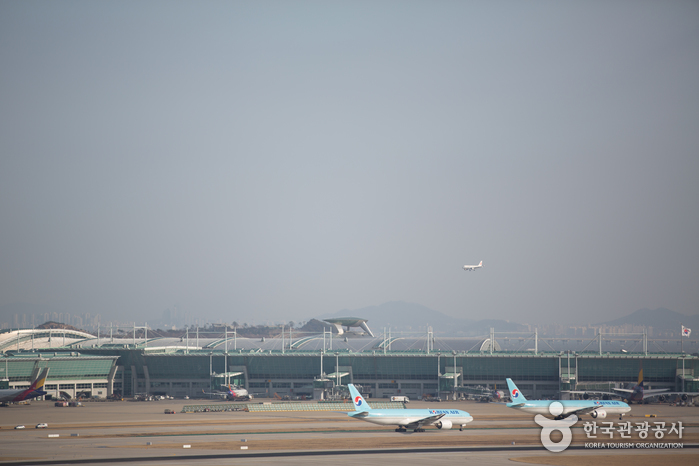
Use the late afternoon to grab any remaining souvenirs, pack, and rest. If your flight is the next morning, sort your payment logistics — return your T-money card deposit or keep it loaded for your next trip (they don't expire). Confirm your airport transport: the AREX express train from Seoul Station to Incheon Airport takes 43 minutes (₩11,000). Our Korea transport guide covers all the airport options.
For a final dinner, go back to whatever neighborhood stole your heart this week. If you can't decide, cheap eats in Seoul has a neighborhood-by-neighborhood list of no-fail options.
Insider tip: At Gwangjang Market, skip the stalls with English menus and photos — they're priced for tourists. The stalls deeper inside with Korean-only signage serve the same food for 20–30% less. Point and smile; it works every time.
Day 7 budget: ₩70,000 budget / ₩160,000 mid-range
7-Day Seoul Budget Summary
| Budget Traveler | Mid-Range Traveler | |
|---|---|---|
| Daily average | ₩80,000 (~$55 USD) | ₩200,000 (~$140 USD) |
| 7-day total | ₩560,000 (~$390 USD) | ₩1,400,000 (~$980 USD) |
These estimates cover meals, transport, attractions, and light shopping — not accommodation or flights. For accommodation budgeting, see our Korea travel budget guide.
Final Tips for Your Week in Seoul
- Download Naver Map before you arrive. Google Maps works for finding places but cannot do transit directions in Korea. Our Naver Map guide walks you through setup.
- Carry cash. Most restaurants and shops take card, but market stalls and small street food vendors are cash-only. ₩30,000–₩50,000 in your pocket is enough.
- A Klook pass pays for itself over 7 days — palace entries, N Seoul Tower, AREX, and activities add up.
- Learn basic Korean phrases. Even 감사합니다 (gamsahamnida — thank you) and 주세요 (juseyo — please give me) go a long way. People genuinely appreciate the effort.
- Check our things to know before visiting Korea for cultural etiquette, tipping (you don't), and other practical details that will make your trip smoother.
Book Your Seoul Essentials
Save time and money — pre-book these before your trip.
Affiliate links — we may earn a small commission at no extra cost to you.