Seoul Palace Guide: All 5 Grand Palaces Explained (2026)
Seoul Palace Guide: All 5 Grand Palaces Explained
Last updated: March 2026
Seoul has five grand palaces from the Joseon Dynasty (1392–1897), and they're all within walking distance of each other in the northern part of the city. Most tourists visit one — usually Gyeongbokgung — and call it done. That's fine, but each palace has a genuinely different character, and if you have even half a day to spare, visiting two or three gives you a much richer picture of Korean royal history.
This guide covers all five: what makes each one worth visiting, how much it costs, when to go, and which ones you can skip if time is tight. If you're planning your first trip, pair this with our essential Korea tips so you know what to expect.
The Big Tip: Wear Hanbok and Get In Free
Before we get into individual palaces, here's the single most useful piece of information in this entire guide: anyone wearing hanbok (traditional Korean clothing) gets free admission to all five palaces.
Hanbok rental shops are clustered around Gyeongbokgung and Changdeokgung. A standard rental costs ₩15,000–₩25,000 ($10–$17 USD) for 2 hours, or ₩25,000–₩40,000 ($17–$28) for 4 hours. Since the combined admission for all five palaces is only ₩10,000 ($7), the hanbok rental doesn't save you much money — but it transforms the experience. You get incredible photos, you feel part of the setting, and palace guards will sometimes interact with you differently (more warmly, in my experience).
The integrated palace ticket is another money-saver: ₩10,000 ($7 USD) for admission to all four paid palaces plus Jongmyo Shrine, valid for 3 months. Buy it at any palace ticket window. That's cheaper than paying individually for three or more palaces.
1. Gyeongbokgung Palace (경복궁) — The Grand One
Built in 1395, Gyeongbokgung was the main royal palace of the Joseon Dynasty and remains the largest and most visited of Seoul's five palaces. This is the one you see on postcards — the vast courtyard, the throne hall, the mountain backdrop.
What Makes It Special
Gyeongbokgung is about scale and ceremony. The Geunjeongjeon throne hall is the largest wooden structure in Korea, and the Gyeonghoeru Pavilion — a massive banquet hall floating over a lotus pond — is one of the most photographed buildings in Seoul. When the light is right and the reflections are clear, it's genuinely stunning.
The palace grounds also contain two free museums: the National Palace Museum of Korea (Joseon royal artifacts, very well curated) and the National Folk Museum of Korea (daily life through Korean history). Both are worth 30–60 minutes each.
Royal Guard Changing Ceremony
The Sumunjang Ceremony at Gwanghwamun Gate runs at 10:00 AM and 2:00 PM daily (except Tuesdays). It's a colorful 20-minute re-enactment with traditional costumes, drums, and flags. Arrive 10 minutes early for a front-row position. After the ceremony, you can pose with the guards — they'll stand still for photos.
Practical Details
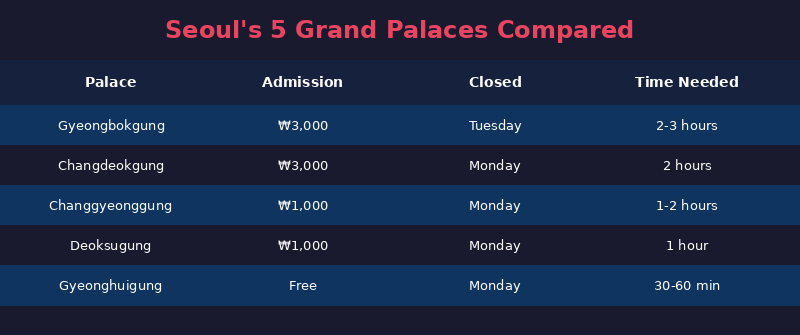
| Admission | ₩3,000 ($2 USD) | Free with hanbok | Free with integrated ticket |
| Hours | 9:00 AM – 6:00 PM (Mar–Oct) | 9:00 AM – 5:00 PM (Nov–Feb) |
| Closed | Every Tuesday |
| Nearest subway | Gyeongbokgung Station (Line 3, Exit 5) |
| Time needed | 1.5–2.5 hours (with museums: 3+ hours) |
Best Time to Visit
Early morning (right at 9:00 AM) for the fewest crowds. Cherry blossom season (late March to mid-April) is breathtaking here but extremely crowded. Autumn (late October to mid-November) offers golden foliage and slightly thinner crowds. The palace also opens for special night viewing events several times per year — tickets sell out in minutes, but if you can get them, the illuminated palace is magical.
Getting here is straightforward on the subway — our Seoul subway guide covers the best routes from all major areas.
2. Changdeokgung Palace (창덕궁) — The Beautiful One
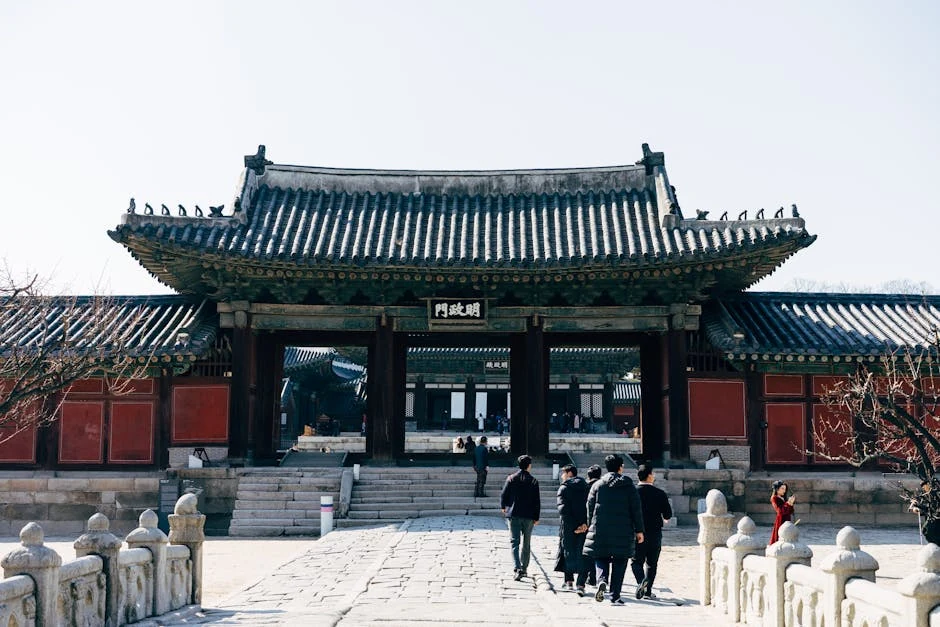
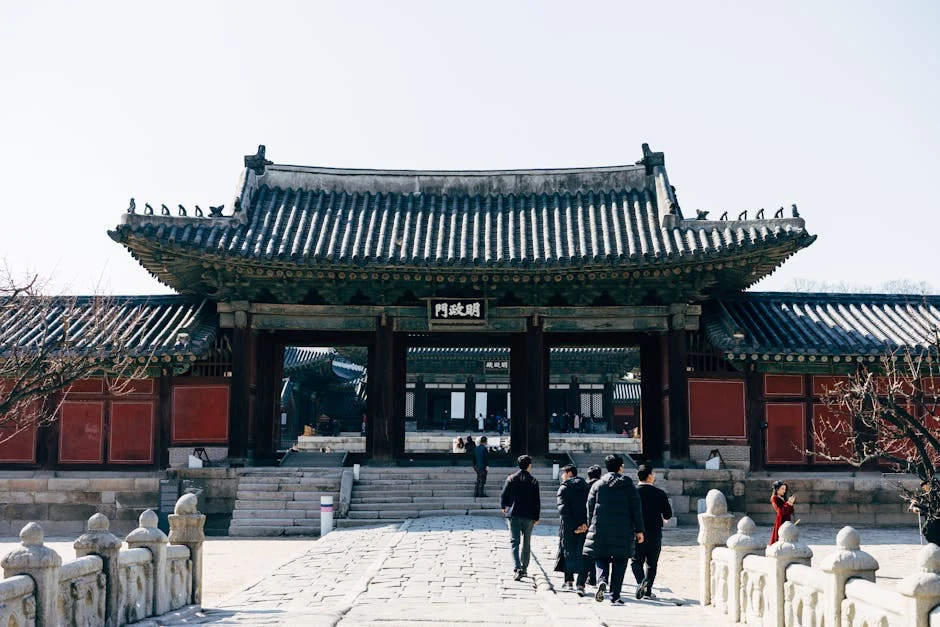
Built in 1405 as a secondary palace, Changdeokgung became the preferred residence of many Joseon kings because of its more natural, harmonious layout. It's a UNESCO World Heritage Site (designated 1997) and is widely considered the most aesthetically beautiful of the five palaces.
What Makes It Special
Where Gyeongbokgung impresses with its imposing symmetry, Changdeokgung charms with its organic flow. The buildings follow the contours of the hillside rather than being laid out on a rigid grid. Everything feels more intimate, more livable — you can see why the kings actually preferred staying here.
The crown jewel is the Huwon (Secret Garden), a 78-acre rear garden with pavilions, ponds, centuries-old trees, and walking paths that were reserved exclusively for the royal family. It's one of the most serene spaces in all of Seoul.
The Secret Garden Tour
The Secret Garden can only be visited on a guided tour. Tours run in Korean, English, Japanese, and Chinese at set times throughout the day. The English tour typically runs at 10:30 AM, 11:30 AM, and 2:30 PM — but check the official site as times vary seasonally.
Critical: Tours are capped at 50 people and sell out fast, especially in spring and autumn. Book online at least 2–3 days in advance through the Cultural Heritage Administration website. Walk-up spots are available but limited.
The tour lasts approximately 90 minutes and covers about 2.5 km of walking on uneven, sometimes hilly paths. Wear comfortable shoes.
Practical Details
| Admission | ₩3,000 ($2 USD) palace only | ₩8,000 ($5.50 USD) palace + Secret Garden | Free with hanbok (palace only; garden still requires tour ticket) |
| Hours | 9:00 AM – 6:00 PM (Mar–Oct) | 9:00 AM – 5:30 PM (Nov–Feb) |
| Closed | Every Monday |
| Nearest subway | Anguk Station (Line 3, Exit 3) |
| Time needed | 1–1.5 hours (palace only) | 2.5–3 hours (with Secret Garden) |
Best Time to Visit
Autumn is extraordinary here — the Secret Garden's canopy turns brilliant red and gold, and the reflection pools become almost unbearably picturesque. Spring is equally popular for the same reason. If you can only visit one palace besides Gyeongbokgung, make it this one.
3. Changgyeonggung Palace (창경궁) — The Underrated One
Originally built in 1418 as a residence for retired royals, Changgyeonggung shares a wall with Changdeokgung and was historically part of the same royal compound. It's smaller and receives far fewer visitors, which is precisely what makes it appealing.
What Makes It Special
Changgyeonggung has a tragic and fascinating history. During the Japanese colonial period (1910–1945), the Japanese government deliberately converted it into a zoo and botanical garden — stripping it of its royal dignity as a tool of cultural suppression. The zoo and garden were finally removed in 1983, and the palace has been gradually restored to its original state since.
Today, it's the most peaceful of the five palaces. The large pond area (Chundangji) is gorgeous in every season, and you can often wander the grounds with almost no other visitors. It's also the only palace with significant greenhouse-era botanical elements still remaining, including a Victorian-style greenhouse built in 1909 — one of the earliest Western-style glass buildings in Korea.
Practical Details
| Admission | ₩1,000 ($0.70 USD) | Free with hanbok | Free with integrated ticket |
| Hours | 9:00 AM – 6:00 PM (Mar–Oct) | 9:00 AM – 5:30 PM (Nov–Feb) |
| Closed | Every Monday |
| Nearest subway | Hyehwa Station (Line 4, Exit 4) |
| Time needed | 45 minutes – 1.5 hours |
Best Time to Visit
Changgyeonggung is one of the few palaces that opens for nighttime viewing on a regular schedule (typically spring and autumn evenings). The illuminated buildings reflected in Chundangji pond are spectacular and far less crowded than Gyeongbokgung night events. Check the official schedule for dates.
Since it shares a connecting passage with Changdeokgung, you can visit both in a single session — enter Changdeokgung first, walk through to Changgyeonggung, and exit on the east side.
4. Deoksugung Palace (덕수궁) — The Fusion One
Deoksugung is unique among Seoul's palaces because it blends traditional Korean architecture with Western neoclassical buildings — a physical reflection of Korea's tumultuous encounter with modernity in the late 19th and early 20th centuries.
What Makes It Special
The Seokjojeon Hall, completed in 1910, is a full neoclassical Western stone building sitting right in the middle of a traditional Korean palace compound. It's architecturally jarring and historically poignant — it represents the period when Korea was being pulled between its own traditions and the Western and Japanese influences reshaping East Asia.
Seokjojeon now houses two museums: the Korean Empire History Museum (ground floor, free) and the Daehan Empire Gallery (second floor, free). Both are small but well-presented.
The palace's location is another draw — it's in the heart of Seoul's City Hall district, surrounded by modern skyscrapers. The contrast between the ancient walls and the glass towers is striking. The Deoksugung Stone Wall Road running along the outside of the palace is one of Seoul's most beloved walking paths, especially in autumn.
Royal Guard Changing Ceremony
Deoksugung has its own guard changing ceremony at the Daehanmun Gate: 11:00 AM, 2:00 PM, and 3:30 PM daily (except Mondays). It's smaller than Gyeongbokgung's version but less crowded, so you can get closer.
Practical Details
| Admission | ₩1,000 ($0.70 USD) | Free with hanbok | Free with integrated ticket |
| Hours | 9:00 AM – 9:00 PM (open latest of all palaces) |
| Closed | Every Monday |
| Nearest subway | City Hall Station (Lines 1 & 2, Exit 2) |
| Time needed | 45 minutes – 1.5 hours |
Best Time to Visit
Deoksugung is the only palace open until 9:00 PM, making it perfect for an evening visit. The buildings are softly illuminated at night, and the atmosphere is completely different from a daytime visit — quieter, more contemplative. The Stone Wall Road outside is popular for evening strolls year-round. Come during cherry blossom season and the wall road becomes a canopy of pink.
5. Gyeonghuigung Palace (경희궁) — The Forgotten One
Gyeonghuigung is the smallest, least visited, and most historically scarred of the five palaces. Originally built in 1617, it was almost entirely dismantled during the Japanese colonial period — buildings were relocated, the grounds were converted into a Japanese school, and most of the original structures were lost.
What Makes It Special
What's been rebuilt since the 1980s represents only about 33% of the original palace. That sounds like a reason to skip it, but there's something genuinely moving about visiting a place that was deliberately destroyed and is slowly being brought back. The Seoul Museum of History (free, excellent) sits on the former palace grounds and provides important context about what was lost.
The main reconstructed buildings — Sungjeongjeon (throne hall) and Jasonheon — are well-maintained and usually deserted. If you want to experience a Korean palace in total solitude, this is your best bet.
Practical Details
| Admission | Free |
| Hours | 9:00 AM – 6:00 PM |
| Closed | Every Monday |
| Nearest subway | Seodaemun Station (Line 5, Exit 4) |
| Time needed | 30 minutes – 1 hour (longer with the museum) |
Best Time to Visit
Any time. It's never crowded. If you're visiting the Seoul Museum of History (which I recommend), combine the two into a single 1.5–2 hour visit. The palace grounds are small enough that you can see everything in 30 minutes.
How to Visit Multiple Palaces: Suggested Routes
All five palaces are in northern Seoul, and you can walk between most of them. Here are the most efficient routes.
The Classic Two (3–4 hours)
Gyeongbokgung → Changdeokgung. Start at Gyeongbokgung (arrive at opening), walk 15 minutes east to Changdeokgung, and do the Secret Garden tour. This covers the two most important palaces and the best garden. Add Bukchon Hanok Village between them for the full experience.
The Eastern Trio (4–5 hours)
Changdeokgung → Changgyeonggung → Jongmyo Shrine. These three are adjacent — you can walk between them through connecting paths. The integrated ticket covers all three. Jongmyo Shrine (the royal ancestral shrine) is technically not a palace but is deeply connected to palace culture and included on the integrated ticket.
The Complete Five (Full day, 7–8 hours)
Gyeongbokgung → Changdeokgung → Changgyeonggung → Deoksugung → Gyeonghuigung. This is a proper palace marathon. Start early, bring comfortable shoes, and accept that you'll be templed-out by palace four. But if you love history, it's deeply satisfying.
A Klook multi-attraction pass can bundle palace entries with other Seoul attractions for a lower total price — worth checking if you're planning the full circuit.
Money-Saving Summary
| Option | Cost | What's Included |
|---|---|---|
| Individual tickets (all 4 paid palaces) | ₩8,000 ($5.50) | Gyeongbokgung + Changdeokgung + Changgyeonggung + Deoksugung |
| Integrated ticket | ₩10,000 ($7.00) | All 4 palaces + Jongmyo Shrine (valid 3 months) |
| Hanbok rental + free entry | ₩15,000–₩25,000 ($10–$17) | Free palace admission + 2 hours of hanbok wearing |
| Changdeokgung Secret Garden add-on | ₩5,000 ($3.50) | Guided garden tour (not included in any pass) |
| Gyeonghuigung | Free | Always free |
Frequently Asked Questions
Which Seoul palace should I visit if I only have time for one?
Gyeongbokgung. It's the largest, has the guard changing ceremony, houses two free museums, and gives you the most complete picture of Joseon royal life. If you prefer atmosphere over grandeur, Changdeokgung (especially with the Secret Garden) is an equally valid choice.
Can I visit all five palaces in one day?
Technically yes, but it's exhausting and you'll start to experience "palace fatigue" by the third or fourth one. Two or three palaces in a day is a more enjoyable pace. If you're determined to see all five, start at 9:00 AM and plan 7–8 hours including walking time and meal breaks.
Do I need to book palace visits in advance?
No advance booking needed for general palace admission — just show up and buy a ticket. The one exception is the Changdeokgung Secret Garden tour, which has limited spots and should be booked online 2–3 days ahead. Gyeongbokgung night viewing events also require advance booking and sell out quickly.
Are the palaces wheelchair accessible?
Partially. Main pathways at Gyeongbokgung and Deoksugung are paved and accessible, but many areas across all palaces have stone steps, gravel paths, and uneven ground. Changdeokgung's Secret Garden involves hills and stairs. Gyeongbokgung is the most accessible overall, with wheelchair-friendly routes marked on the provided map.
What is the best season to visit Seoul's palaces?
Spring (cherry blossom season, late March to mid-April) and autumn (foliage season, late October to mid-November) are the most visually spectacular. Check our 2026 cherry blossom forecast for exact dates. Summer is hot and humid but the palace gardens are lush and green. Winter is cold but peaceful, with the lowest crowds and occasional snow creating beautiful scenes.
Why are all the palaces closed on different days?
The palaces stagger their closure days so tourists can always visit at least some of them on any given day. Gyeongbokgung closes Tuesday; the other four close Monday. Plan your itinerary accordingly — if you arrive on a Monday, start with Gyeongbokgung. If you arrive on a Tuesday, start with Changdeokgung.
Is the hanbok free entry rule strictly enforced?
You need to be wearing a full hanbok set — top (jeogori) and skirt (chima) or pants (baji) at minimum. A casual hanbok-style top alone won't qualify. Rental shops provide the full outfit. The staff at palace entrances check visually, and it's a well-established policy — no awkward conversations needed, just walk through.
How do I get between the palaces?
Walking is the best option for palaces in the Jongno area (Gyeongbokgung, Changdeokgung, Changgyeonggung) — they're all within 15 minutes of each other on foot. For Deoksugung and Gyeonghuigung, which are slightly further west, take the subway one or two stops or walk 20–25 minutes. Taxis between any two palaces cost ₩4,000–₩6,000 ($2.75–$4.10).