Best Activities in Seoul 2026: 12 Things to Book Before You Go
Seoul never runs out of things to do — the challenge is choosing well before you arrive. The city packs ancient palaces, cutting-edge pop culture, mountain hiking, night markets, and some of the best food on earth into one compact, highly navigable capital. Whether your trip is three days or three weeks, this guide covers the best activities in Seoul for 2026, ranked by how much they reward advance booking and effort.
A few things are worth booking before departure: DMZ tours, cooking classes, and the most popular K-pop experiences in particular sell out regularly. Everything else can usually be planned on the ground, but knowing what's available helps you decide where to spend your limited hours.
🎟️ Book Seoul Activities in Advance
1. Gyeongbokgung and Changdeokgung Palace
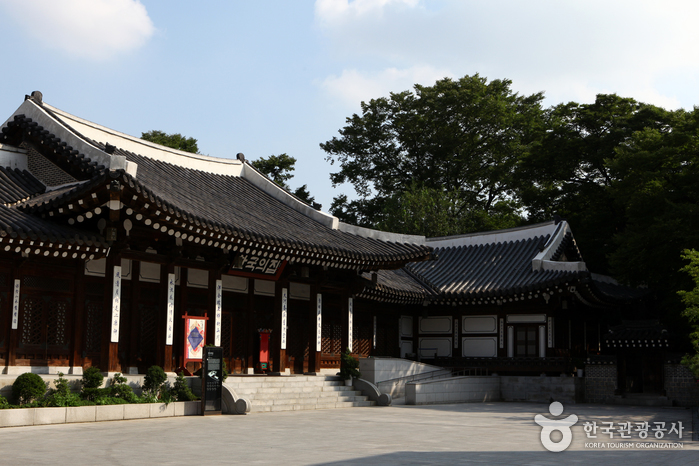
Seoul's two must-see royal palaces sit at opposite ends of the historic core. Gyeongbokgung, the larger and more symmetrical of the two, is best visited early morning before tour groups arrive. The changing of the guard ceremony happens at 10am and 2pm, and it is one of the few free traditional performances in the city worth building a morning around. Changdeokgung, a UNESCO World Heritage Site, is smaller but arguably more beautiful — especially the Secret Garden (Huwon) at the rear, which requires a separate tour ticket and tends to sell out during spring and autumn. Both palaces allow free entry in full hanbok.
2. N Seoul Tower and Han River Night Views
Seoul's night skyline is spectacular, and there are two classic ways to see it. N Seoul Tower on Namsan sits high enough to see the full grid of the city, the Han River, and the mountains beyond — best reached by cable car from Myeongdong. Alternatively, a Han River cruise at dusk gives you a different angle: the city rising behind the bridges and the water reflecting the lights. Both are consistently popular and worth doing on separate evenings if your schedule allows. Cruises typically run from Yeouinaru and Banpo Hangang Park, with multiple departure times.
3. Hanbok Rental Experience
Renting a hanbok — Korea's traditional garment — for a few hours around the palace district has become one of Seoul's most popular visitor activities, and for good reason. You will look great in photos, get free palace entry, and the whole experience costs far less than most guided tours. The best hanbok rental shops cluster along the alley between Gyeongbokgung and Bukchon Hanok Village. Most rentals include basic styling and a bag for your belongings. Arrive early on weekends; the best shops fill up by mid-morning.
4. DMZ Day Tour
The Demilitarized Zone between North and South Korea is one of the most unusual day trips available anywhere in the world, and it is fully accessible from Seoul in a half day or full day. Standard tours cover Imjingak, the 3rd Infiltration Tunnel, and the Dora Observatory. JSA (Joint Security Area) tours, which take visitors to the blue buildings on the border itself, operate on a limited and sometimes suspended schedule — check current availability before building your plans around them. Book DMZ tours at least a few days in advance; they often sell out, especially around public holidays. See our full DMZ tours guide for current pricing and operator comparisons.
5. K-Pop Tours and Fan Experiences
Seoul is the global center of K-pop, and the industry has built a surprisingly broad ecosystem of experiences for international fans. At the commercial end, you can visit idol agency headquarters in Gangnam (SM, YG, HYBE), tour the HYBE Insight museum, or book dedicated K-pop fan tours that include music video filming locations and curated merchandise stops. At the more accessible end, Hongdae (Hongik University area) hosts free street performances most weekends and is the neighbourhood most associated with indie Korean music. If you want choreography, several studios offer short beginner K-pop dance classes that require no experience and are genuinely fun even if you are not a fan.
6. Korean Cooking Class
A hands-on Korean cooking class is one of the activities that consistently gets high marks from visitors — partly because you eat what you make, partly because the skills are useful at home. The most popular sessions teach kimchi-making, tteokbokki (spicy rice cakes), bibimbap, or a multi-dish combination. Classes run across the city; the best ones are based in traditional kitchens in the Insadong or Bukchon area and are small-group (typically 6-12 people). Most last two to three hours and include a recipe card to take home. Book at least a week ahead for weekend sessions.
7. Everland and Lotte World
Seoul has two major theme parks worth considering depending on your priorities. Everland, about an hour south of the city in Yongin, is South Korea's largest theme park and the better choice if you want a full theme park day including roller coasters, seasonal festivals, and a safari zone. Lotte World, built around an indoor mall in Jamsil, is more central and includes both indoor and outdoor sections — useful if weather is uncertain. Weekdays are significantly less crowded than weekends at both parks. Tickets bought in advance on platforms like Klook typically cost less than gate price.
8. Gwangjang Market and Myeongdong Street Food
Gwangjang Market in Jongno is one of the oldest and most authentic traditional markets in Seoul. The covered food alley inside is famous for bindaetteok (mung bean pancakes), mayak gimbap (small sesame rice rolls), and raw beef yukhoe. It is best visited for lunch or an early dinner when the stalls are fully stocked and staffed. Myeongdong, the main tourist shopping street nearby, hosts evening street food vendors selling everything from skewered cheese lobster to tornado potatoes. Myeongdong food is more tourist-friendly in style; Gwangjang is more local. Visit both on the same afternoon if possible.
9. Jjimjilbang (Korean Bathhouse)
A jjimjilbang is a Korean public bathhouse complex that typically includes gender-separated bathing areas, communal heated rooms in different temperatures, sleeping areas, and often a snack bar or restaurant. It is one of the most genuinely local experiences available to visitors. Dragon Hill Spa near Yongsan is the most internationally known option and stays open 24 hours — useful if you have an early morning flight or a late arrival. The experience costs a fraction of what a hotel spa would charge and gives you a very different window into Korean daily life. Most jjimjilbangs provide shorts and a t-shirt for use in the communal areas.
10. Korean Professional Baseball
Attending a Korean baseball game — especially at Jamsil Baseball Stadium in Seoul — is one of the most underrated activities in the city. The fan culture is electric: organized cheering sections, synchronized chants, cheerleaders, and an enormous variety of stadium food including fried chicken and beer served directly to your seat. The KBO League season runs from late March through October. Tickets are inexpensive and often available on the day of the game. Even if you have no interest in baseball, the atmosphere alone is worth a few hours.
What actually needs advance booking
Seoul rewards spontaneity more than most cities — the subway is fast, queues move, and walk-up availability exists for most attractions. The exceptions are narrow but important. DMZ tours sell out days ahead around Korean public holidays and summer peak. Changdeokgung's Secret Garden has a daily visitor cap and tour slots go quickly on weekends in spring and autumn — book through the official palace website or Klook at least two days out. Cooking classes at the best small-group kitchens in Insadong fill up a week ahead for Saturday sessions. K-pop fan experiences with a specific artist focus (HYBE Insight premium tours, fan-sign events) require planning weeks out if dates matter. Everything else — palaces, N Seoul Tower, Gwangjang Market, baseball — is accessible walk-up or same-day.
Grouping activities by neighborhood
Seoul's subway makes cross-city movement easy, but clustering activities by area saves significant transit time. A logical three-day structure for first-timers:
Day 1 — Historic core: Gyeongbokgung Palace (arrive 9am, catch the guard ceremony at 10am), hanbok rental and Bukchon Hanok Village, walk to Insadong for lunch, Gwangjang Market for early dinner. All walkable or a single subway stop apart.
Day 2 — South of the river: COEX Mall and Bongeunsa Temple in Gangnam in the morning, Lotte World or a K-pop fan experience in Jamsil in the afternoon, finish with a Han River cruise from Banpo at dusk. One subway line connects all three.
Day 3 — West Seoul + night: N Seoul Tower via cable car from Myeongdong (go early to beat haze), Hongdae afternoon for street performances and shopping, Myeongdong street food vendors in the evening. A jjimjilbang session caps the trip well if you have a late checkout or early morning flight.
Free vs. paid — where to spend your activity budget
Several of Seoul's headline attractions are free or nearly so: all five royal palaces charge less than ₩3,000, and Gyeongbokgung is free in full hanbok. The Han River parks, Cheonggyecheon stream, Bukchon Hanok Village, and Hongdae street performances cost nothing. Gwangjang Market is effectively free to explore — you pay only for what you eat.
The activities that justify their cost are those with genuine scarcity or guided access: the Secret Garden tour (limited daily capacity), cooking classes (you eat what you make, skills transfer), and DMZ tours (impossible to do independently at the key sites). Skip: the overpriced observation decks that charge twice what N Seoul Tower does for inferior views, and the tourist traps clustered around Myeongdong that sell the same experience you can find cheaper through Klook.
Getting between venues
Seoul's subway covers every attraction on this list. A T-money card loaded with ₩30,000–₩50,000 handles a full week of transit with transfers included. Taxis are cheap by international standards and widely available — Kakao T (the local ride-hailing app) shows the fare upfront and drivers accept card. Walking is underrated: the Gyeongbokgung–Bukchon–Insadong–Cheonggyecheon corridor is best explored on foot, and Hongdae–Sinchon–Ewha is another natural walking circuit. The one area where transit is less convenient: getting to Everland requires a shuttle or taxi from a specific station — factor 90 minutes each way from central Seoul.
| Activity | Best For | Book in Advance? | Approx. Cost |
|---|---|---|---|
| Gyeongbokgung Palace | History, photography | No | Free–approx. ₩3,000 |
| N Seoul Tower | Night views, couples | Recommended | Approx. ₩10,000–₩16,000 (subject to change) |
| Hanbok Rental | Photos, cultural experience | Weekends yes | Approx. ₩15,000–₩30,000 (subject to change) |
| DMZ Day Tour | History, unique experience | Yes | Approx. ₩65,000+ (subject to change) |
| Cooking Class | Food lovers | Yes | Approx. ₩50,000–₩80,000 (subject to change) |
| Everland | Families, thrill seekers | Recommended | Approx. ₩54,000–₩62,000 (subject to change) |
| Jjimjilbang | Budget travelers, locals vibe | No | Approx. ₩12,000–₩15,000 (subject to change) |
| Baseball game | Sports fans, atmosphere | No | Approx. ₩7,000–₩15,000 (subject to change) |
Related Guides
- Seoul Palaces Guide — Gyeongbokgung, Changdeokgung, and the Secret Garden
- Best Night Markets in Seoul — Gwangjang, Dongdaemun, and more
- Best Klook Passes for Seoul — which city passes save the most
- Best DMZ Tours from Seoul — JSA vs 3rd Tunnel ranked
- Seoul 3-Day Itinerary — a complete first-timer plan
- Seoul 7-Day Itinerary — a full week in the capital
- Korea Itinerary — 7, 10 and 14-day plans