Best Cafes in Seoul 2026: Where Locals Actually Drink Coffee
Seoul has one of the most vibrant cafe cultures in the world — and in 2026, it's only gotten more interesting. The city has more cafes per capita than almost any other major city, ranging from ₩2,500 americanos in local holes-in-the-wall to elaborately designed concept spaces where the interior design is half the reason you showed up. The good news: you don't need to be a specialty coffee geek to enjoy it. Seoul's cafe scene is genuinely welcoming, and almost every neighborhood has its own distinct flavor.
This guide focuses on the best cafe neighborhoods in Seoul — where to go, what each area is known for, and which spots are worth seeking out. Whether you're after a quiet study corner, a themed experience, or the kind of flat white that makes you reassess everything you thought you knew about espresso, there's a neighborhood on this list for you.
☕ Book Seoul Cafe Tours & Experiences
Seongsu-dong: Seoul's Brooklyn
If you only have time for one cafe neighborhood, make it Seongsu-dong. Located just east of the Han River, this former factory district has transformed into Seoul's most design-forward coffee scene. The industrial bones — exposed concrete, wide-open warehouse floors, ceiling heights that make you feel small in the best way — have been repurposed into some of the most photographed cafes in the city.
The area is particularly known for specialty roasters who take their sourcing seriously. Expect single-origin pour-overs, staff who can explain the difference between washed and natural process with real enthusiasm, and menu prices that reflect the quality. Budget-friendly this is not — most drinks run from around ₩7,000 to ₩12,000 — but the quality-to-price ratio holds up well against equivalent cafes in Tokyo or Melbourne. Standout spots cluster around the main drag near Seongsu Station (Line 2). Visit on a weekday if you want seats; weekends can see queues out the door.
Ikseon-dong: Hanok Cafes in a Historic Alley
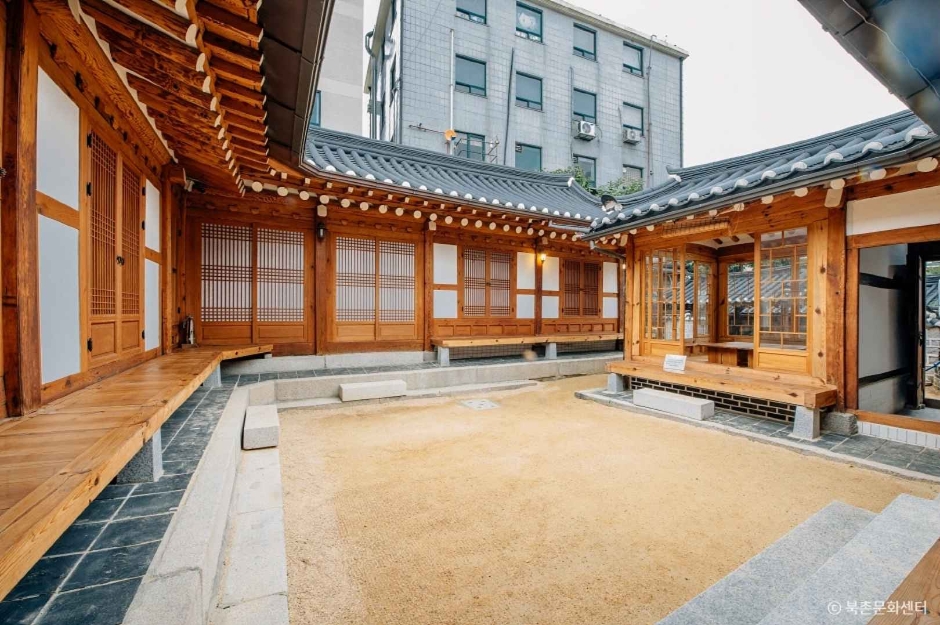
Ikseon-dong in Jongno is Seoul's most atmospheric cafe neighborhood, set inside a dense cluster of restored hanok (traditional Korean houses) from the 1930s. The lanes are narrow, the wooden eaves are low, and the contrast between the ancient architecture and the modern menus is genuinely charming. Many cafes here have courtyards open to the sky — on a cool spring or autumn afternoon, sitting with a tea or a trad-style dessert drink is one of Seoul's quieter pleasures.
Ikseon-dong is more about atmosphere than cutting-edge coffee. You'll find a lot of traditional tea, omija (five-flavor berry) drinks, sikhye (sweet rice drink), and dessert-forward menus alongside good espresso. It's also the ideal neighborhood to pair with a walk through Changdeokgung Palace and Bukchon Hanok Village. Prices are mid-range, and most spots are small, so arrive early or off-peak.
Garosu-gil (Sinsa-dong): Upscale and Relaxed
Garosu-gil — "tree-lined road" in Korean — is a leafy stretch in Gangnam's Sinsa-dong that has been a cafe destination for well over a decade. It's not as aggressively trendy as Seongsu-dong, and that's a feature: the vibe is settled and upscale without being intimidating. Independent cafes mix with concept stores and boutiques along the main street and its side alleyways.
The area skews toward a slightly older, design-conscious crowd. Coffee quality is reliably high, seating is generally more comfortable than in the trendier neighborhoods, and the tree canopy means it's one of Seoul's best outdoor-table experiences in spring when the leaves are out. Average spend per drink is around ₩6,000–₩9,000. It's well connected — Sinsa Station is right there on Line 3.
Hongdae: Young Energy, Long Hours
Hongdae is the student-and-artist district near Hongik University, and its cafes reflect that: casual, creative, open late, and extremely varied. You'll find everything from no-frills study cafes (some charging a per-hour entry fee rather than per drink) to concept cafes with elaborate themes — dessert labs, bookstore hybrids, vintage music listening rooms.
Themed cafes are particularly concentrated here and in adjacent Yeonnam-dong, which has its own quieter, more residential cafe strip that's become a local favorite for weekend brunching. If you want to explore a mix of coffee culture and street-level creativity, the Hongdae–Yeonnam axis gives you the most variety in a walkable area. Prices are on the lower-to-mid end by Seoul standards.
Hannam-dong: Calm, Curated, Upmarket
Hannam-dong, perched on the slope between Itaewon and the Han River, has emerged as one of Seoul's premium cafe zones for those who prefer their experience calm and curated. Independent flagship cafes — many run by baristas who have international competition backgrounds — are spread across the hillside streets. The area also has a high concentration of gallery-cafe hybrids where you're drinking coffee in what functions as an art space.
Hannam is more spread out than Ikseon-dong or Garosu-gil, so it rewards wandering. Bus lines make it accessible from Itaewon Station. The crowd tends to be fashion-conscious and in their late 20s to 40s. Drinks are at the upper end of Seoul pricing — quality is consistently high.
Quick Comparison: Seoul Cafe Neighborhoods
| Neighborhood | Vibe | Best For | Price Range | Nearest Station |
|---|---|---|---|---|
| Seongsu-dong | Industrial-chic, specialty roasters | Serious coffee, Instagram | Mid–High | Seongsu (Line 2) |
| Ikseon-dong | Historic hanok lanes, traditional drinks | Atmosphere, tea culture | Mid | Jongno 3-ga (Lines 1/3/5) |
| Garosu-gil | Leafy, upscale, settled | Relaxed afternoons | Mid–High | Sinsa (Line 3) |
| Hongdae / Yeonnam | Young, creative, themed cafes | Budget, variety, late hours | Low–Mid | Hongik Univ. (Line 2/Airport) |
| Hannam-dong | Calm, curated, gallery-adjacent | Premium single-origin, art | High | Itaewon (Line 6) |
What to Order in a Korean Cafe
If you're new to Korean cafe menus, a few things to know. Americano (아메리카노) is the default order for most locals — it's almost always well-extracted and served either hot or iced. Latte (라떼) is reliably good, often made with a higher milk-to-espresso ratio than you might be used to. Seasonal menus are taken seriously here: spring brings strawberry and cherry blossom variations, summer means an abundance of cold brew and fruit-forward iced drinks, autumn swings toward sweet potato and chestnut.
Many cafes also have strong non-coffee options: matcha lattes, hojicha lattes, yuzu tea, and traditional rice drinks are common. If you see dalgona anything on the menu, try it — the whipped coffee foam that went viral globally originated from Korean street stalls and has become a permanent cafe fixture.