Is South Korea Safe? What Travelers Actually Need to Know (2026)
I get this question more than any other. "Is Korea safe?" Usually followed by something about North Korea, or walking alone at night, or whether a solo female traveler should worry. The short answer is yes — South Korea is one of the safest countries in the world for tourists, and it's not even close.
But "it's safe" isn't a useful answer if you don't know why it's safe, or what the actual risks look like. So here's an honest breakdown — the crime stats, the real scams, the natural hazards, and the stuff nobody talks about — so you can stop worrying and start planning.
The Short Answer
South Korea consistently ranks among the top 20 safest countries globally. The 2025 Global Peace Index placed it ahead of France, the UK, and the United States. Over 17 million tourists visited in 2025, and violent incidents involving foreigners are extraordinarily rare.
You can walk through Seoul at 3 AM, take the subway alone, and leave your phone on a cafe table while you order. Korea's combination of low crime, excellent infrastructure, and a culture that values public order makes it one of the easiest countries to travel safely.
That doesn't mean zero risk exists. It means the risks are different from what most Western travelers expect, and generally much lower.
Crime Statistics — How Korea Actually Compares
Numbers tell the story better than reassurance. South Korea's intentional homicide rate sits at roughly 0.6 per 100,000 people — compared to 6.3 in the United States, 1.2 in the UK, 0.8 in Australia, and 0.3 in Japan. Violent crime against tourists is almost unheard of. Petty theft exists but at a fraction of the rate you'd find in Paris, Barcelona, or Rome.
Pickpocketing is genuinely rare. I've watched people leave bags unattended in cafes and phones on restaurant tables — behavior that would be unthinkable in most global cities. That said, use common sense. Keep your valuables close in crowded areas like Myeongdong or Hongdae on a Saturday night.
One thing worth mentioning: illegal drug penalties in Korea are severe. Possession of even small amounts of marijuana can lead to prison time and deportation. Korea does not take a relaxed view on this, regardless of what's legal in your home country.
Solo Female Travel — Is It Actually Safe?
Yes. Korea is consistently rated one of the safest destinations in Asia for solo female travelers. Walking alone at night, even in quieter neighborhoods, is generally not a concern. Streets are well-lit, CCTV coverage is extensive, and the culture of public drunkenness — while visible on weekend nights — rarely translates into harassment.
Public transport is excellent for safety. The Seoul subway has platform screen doors at every station, CCTV in every car, emergency call buttons, and designated women-only sections during late-night hours on some lines.
Practical tips for solo female travelers:
- Download Naver Map before you arrive — it gives accurate real-time transit directions, unlike Google Maps in Korea
- Late-night taxis are safe, but use the Kakao T app to book them so your route is tracked and logged
- Avoid accepting drinks from strangers in nightlife areas, particularly in Itaewon and Hongdae — the same rule you'd follow anywhere
- Jimjilbangs (Korean spas) are gender-separated and perfectly safe for solo women — they're actually a great budget accommodation option
- If you ever feel uncomfortable, walk into any convenience store (they're literally everywhere, open 24/7) and ask for help — staff will assist you
The main nuisance solo female travelers report isn't safety-related at all — it's the occasional staring in less touristy areas, which is curiosity rather than hostility. It's mildly annoying, never threatening.
Common Scams — What to Watch For
Korea has far fewer tourist scams than most popular destinations, but a few do exist. None are dangerous — they're just annoying and avoidable.
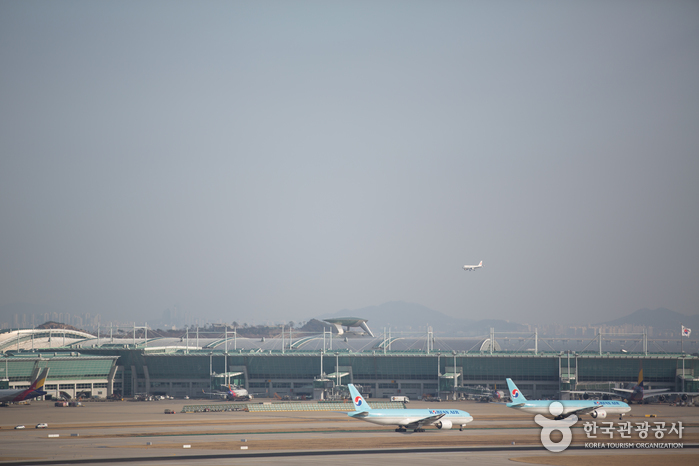
Taxi overcharging: Rare, but it happens. Some taxi drivers at Incheon Airport or outside major tourist spots might take a longer route or "forget" to start the meter. The fix is simple — use the Kakao T app to book your taxi. The fare is calculated in advance, the route is tracked, and there's a digital receipt. If you do hail a street taxi, make sure the meter is running. Base fare in Seoul is ₩4,800.
Bar scams in Itaewon: This is the most specific scam tourists encounter in Korea. It works like this — a friendly local (usually an attractive woman, sometimes a man) approaches you on the street and suggests going to a "great bar" nearby. You go, order a couple of drinks, and get a bill for ₩300,000–₩500,000+ ($220–$370 USD). Bouncers make it clear you're paying. This happens almost exclusively in the side streets around Itaewon, and almost exclusively to male tourists. The rule: never follow a stranger to a bar you didn't choose yourself.
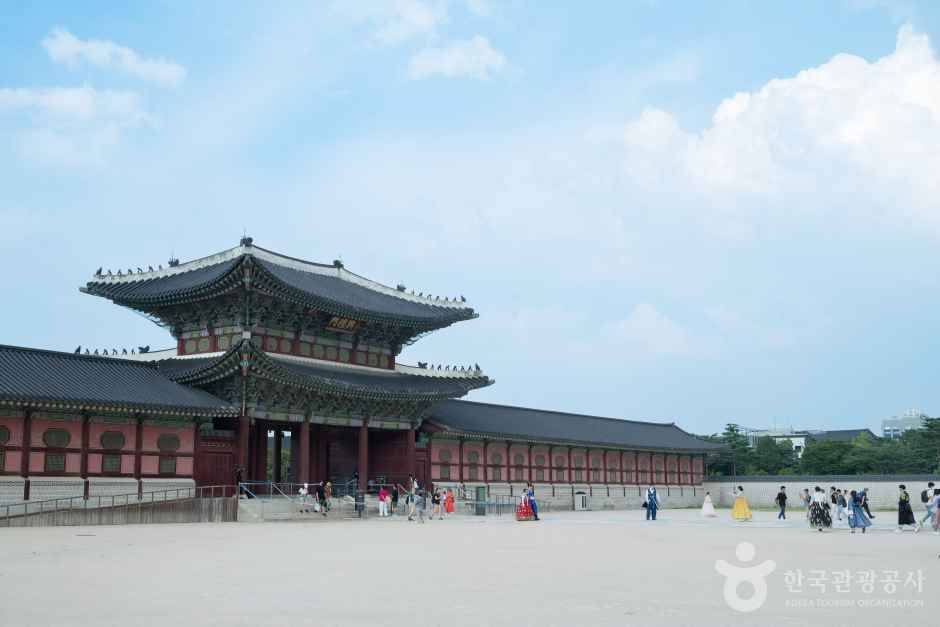
Fake monks: Occasionally, people dressed as Buddhist monks approach tourists at popular sites like Gyeongbokgung or Insadong, offer a bracelet or blessing, and then aggressively ask for a "donation." Real Korean monks don't solicit money from strangers on the street. A polite "no" and walking away is all you need.
Overpriced street food near palaces: Some vendors near major tourist sites charge double or triple the normal price. A standard tteokbokki should be ₩4,000–₩5,000, not ₩12,000. Walk one block away from the palace gate and prices normalize. Better yet, check our street food guide for fair prices.
Natural Disasters and Weather Hazards
Korea isn't in a major natural disaster zone, but a few seasonal hazards are worth knowing about.
Typhoon season (July–September): Korea gets hit by one or two typhoons per year, bringing heavy rain, strong winds, and occasional flooding. The government's disaster response is excellent — you'll get emergency alerts on your phone in Korean and English, and public transport shuts down proactively if conditions are dangerous. Keep an eye on weather forecasts and have flexible plans.
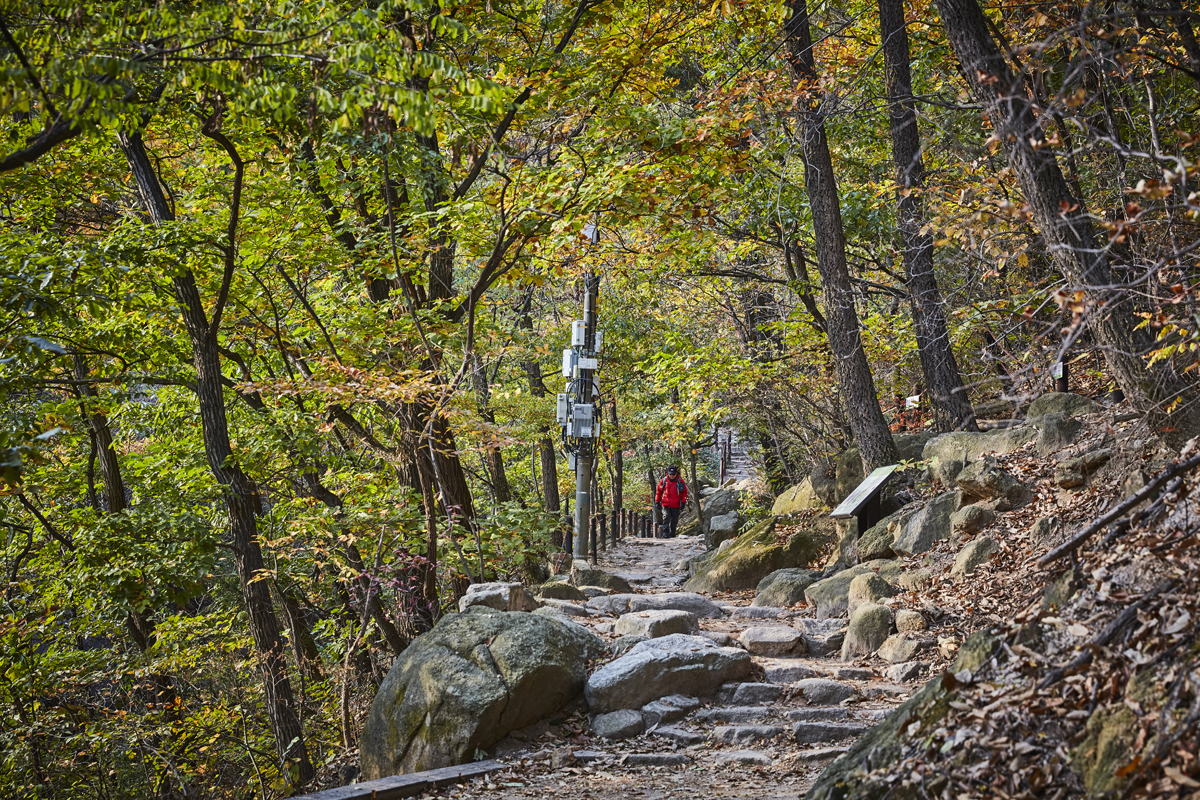
Monsoon rains (June–August): The jangma monsoon brings weeks of heavy rain. Not dangerous in cities, but it can cause landslides in mountainous areas. If you're hiking Seoraksan or other trails during monsoon season, check closures before you go.
Earthquakes: Rare and usually minor. The Korean Peninsula is not on a major fault line. The largest recent earthquake was a 5.8 near Gyeongju in 2016 — notable because it was so unusual.
Air quality (fine dust): The most relevant daily hazard. Korea experiences poor air quality, particularly March through May, when fine dust (misemeonji) blows in from China and Mongolia. On bad days the AQI can exceed 150. Check the AirVisual app daily and wear a KF94 mask (₩1,000 at any convenience store) when levels spike. Summers and autumns generally have cleaner air.
The North Korea Question
Let's address this directly: no, North Korea is not going to invade while you're visiting Seoul.
The Korean Peninsula has technically been in a state of armistice since 1953 — not a peace treaty, but a ceasefire that has held for over 70 years. The Demilitarized Zone (DMZ) is one of the most heavily fortified borders on earth, monitored 24/7 by both Korean and US military forces. Periodic tensions flare up in the news, but daily life in South Korea is completely unaffected.
In fact, the DMZ is one of Korea's most popular tourist attractions. Thousands visit every week. You can stand at the border, look into North Korea, and visit the Joint Security Area. It's sobering and fascinating — not frightening.
South Koreans barely react to North Korean provocations anymore. If Seoul — a city of 10 million people just 50 km from the border — isn't worried, you don't need to be either.
LGBTQ+ Safety
This requires a nuanced answer. South Korea is physically safe for LGBTQ+ travelers — you are not at risk of violence or legal prosecution. Homosexuality is not criminalized, and there are no laws against being openly LGBTQ+.
However, Korean society remains socially conservative on this topic. Public displays of affection between same-sex couples may draw stares outside LGBTQ+-friendly areas. Same-sex marriage is not legally recognized, and anti-discrimination protections are limited.
The center of LGBTQ+ nightlife in Seoul is Homo Hill in Itaewon — a cluster of bars and clubs on and around Usadan-ro. It's welcoming and lively, especially on weekends. Seoul also hosts an annual Pride parade (usually June or July) that has grown significantly.
The practical reality: LGBTQ+ travelers visit Korea frequently and have positive experiences. You won't face hostility, but you may notice a cultural reserve that differs from Western countries.
Emergency Numbers You Should Save
Save these in your phone before you land. All three have English-speaking operators available.
- 112 — Police (works for any emergency, English available 24/7)
- 119 — Fire and ambulance
- 1330 — Korea Tourism Helpline (English, Japanese, Chinese, available 24/7). This one is incredibly useful — they'll help with directions, translation, lost items, restaurant recommendations, or any situation where you need an English-speaking person to help you communicate
You can also dial 120 (Seoul Metropolitan Government helpline) for non-emergency assistance in English.
10 Practical Safety Tips
- Get a Korean SIM card or eSIM on arrival — having mobile data means you always have maps, translation apps, and the ability to call for help. Pick one up at Incheon Airport or through Klook
- Download Naver Map and Papago — Naver Map for navigation (Google Maps doesn't work properly here), Papago for real-time Korean translation
- Use Kakao T for taxis — tracked routes, upfront pricing, digital receipts. No scam risk
- Carry your passport or a copy — police can request ID from foreigners. A photo on your phone works in most situations
- Know your hotel's address in Korean — screenshot it or write it down. Taxi drivers may not read English addresses
- Watch for motorbikes on sidewalks — delivery scooters on sidewalks are the most common actual safety hazard in Korean cities. Stay alert, especially near restaurant districts
- Be careful crossing streets — cars making right turns often don't yield to pedestrians even at marked crossings. Make eye contact with drivers before stepping out
- Check air quality daily — download AirVisual or check the Misemeonji app. Wear a KF94 mask on high-pollution days
- Don't jaywalk — it's illegal, and you can be fined ₩20,000–₩50,000. Koreans wait for the signal even when no cars are coming
- Take photos of your subway station exits — major stations have 15+ exits. Knowing which exit you need saves a lot of underground wandering
Travel Prepared
Stay connected for safety — a SIM card means you can always call for help or use maps.
Affiliate links — we may earn a small commission at no extra cost to you.
Frequently Asked Questions
Is Seoul safe at night?
Yes. Seoul is one of the safest major cities in the world after dark. Neighborhoods like Gangnam, Hongdae, and Myeongdong are busy well past midnight. The subway runs until around midnight (slightly later on weekends), and night buses cover routes after that. Use Kakao T for taxis if you're out very late.
Is Korea safe for families with children?
Extremely. Restaurants welcome children, public transport has priority seating for families, and the culture is very warm toward kids. Changing facilities and nursing rooms are in most department stores and major subway stations. The biggest challenge is managing strollers on stairs in older subway stations — look for elevators, which most stations have.
Do I need travel insurance for Korea?
Korea doesn't require travel insurance for entry, but you should have it. Korean healthcare is high-quality and affordable compared to the US, but a hospital visit without insurance can still cost hundreds of dollars. A basic policy covering medical emergencies and trip cancellation costs $30–$80 for two weeks and is worth every cent.
Is tap water safe to drink in Korea?
Technically yes — Seoul's tap water meets WHO standards and is regularly tested. In practice, most Koreans don't drink it straight from the tap due to concerns about old pipes. Every building and public space has filtered water dispensers. Bottled water costs ₩800–₩1,500 at any convenience store.