
Chuncheon Travel Guide: Dakgalbi, Nami Island & Gangchon Rail Bike (2026)
Chuncheon doesn't try to impress you — and that's exactly why it works. While Seoul runs on caffeine and subway transfers, Chuncheon runs on lakeside air, absurdly good spicy chicken, and the kind of unhurried energy that makes you forget you're only 90 minutes from Gangnam. It's the capital of Gangwon Province, but it feels more like a overgrown university town that happens to be surrounded by mountains and water on every side.
Most visitors know Chuncheon for exactly one thing: Nami Island. And sure, Nami is gorgeous — but treating Chuncheon as just a pit stop on the way to an island is like visiting Naples only for the airport. The city invented dakgalbi. It sits at the meeting point of three rivers and a massive reservoir. It has a rail bike trail through mountains that makes you feel like you're in a Studio Ghibli film. And it serves some of the best buckwheat noodles in the country.
I've been to Chuncheon in every season, and each time I end up staying longer than planned. This guide covers everything — how to get there, what to eat, what to do, and the timing tricks that make the difference between a rushed and a genuinely great one. If you're still planning your first Korea trip, read that overview first. Then come back here and add Chuncheon to your itinerary.
🎟️ Book Chuncheon Experiences
Why Chuncheon
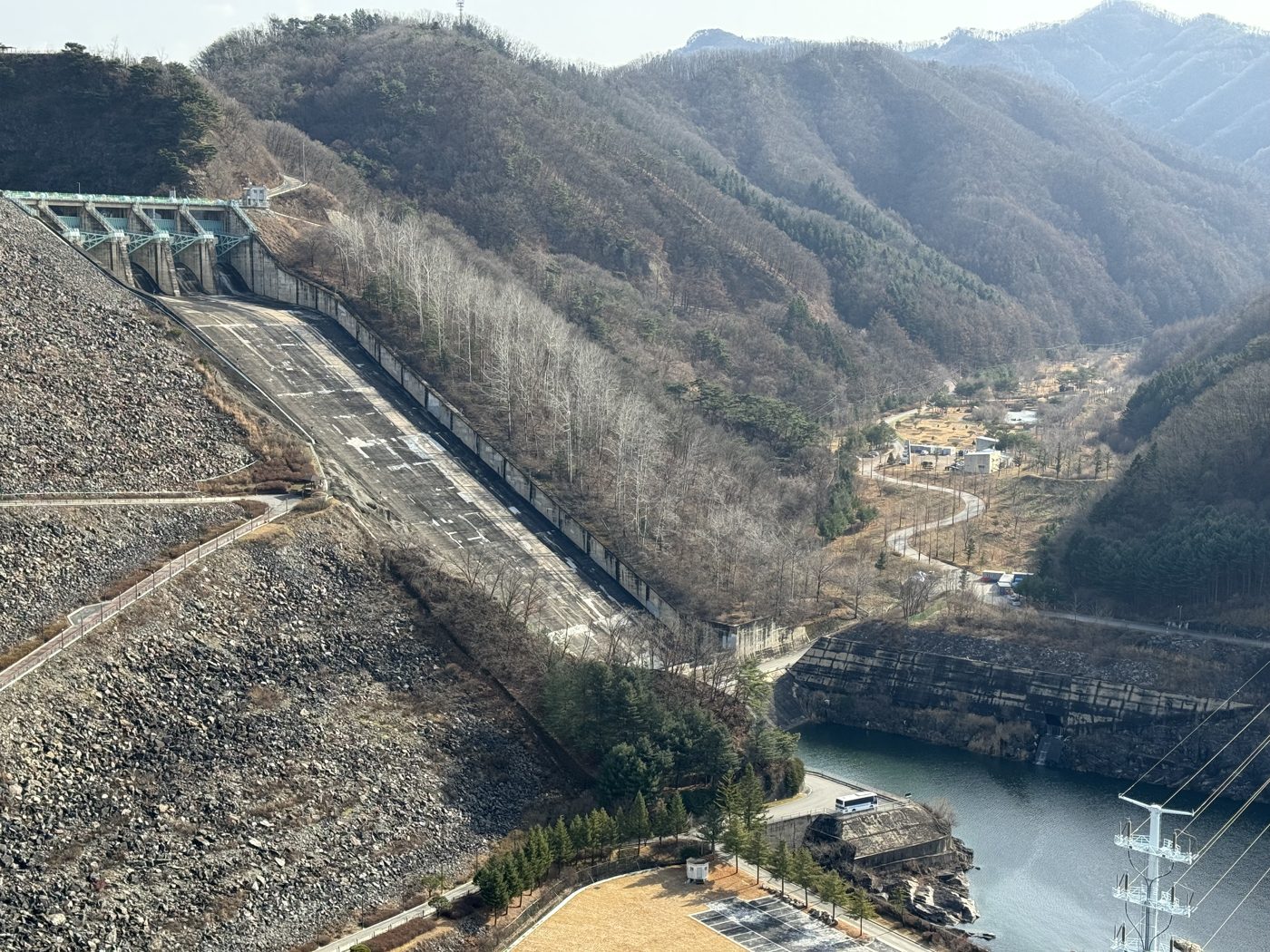
Chuncheon (춘천) sits in a basin surrounded by mountains, with rivers and lakes cutting through the city in every direction. Uiamho Lake to the west, Chuncheonho Lake to the east, the Soyang River flowing through the middle, and Soyang Dam — one of the largest in Asia — holding back a reservoir that stretches deep into the Gangwon mountains. The result is a city where you're never more than a few minutes from water.
That geography shapes everything about the place. The air is cleaner than Seoul. The summers are hot but the lakeside breezes keep things bearable. Autumn turns the surrounding mountains into walls of orange and red. And winter — when Chuncheon regularly drops below -15°C — transforms the area into a frosted landscape that photographs beautifully if you can handle the cold.
But the real reason to come is the food-to-experience ratio. Chuncheon is where dakgalbi was invented in the 1960s. It's where makguksu (buckwheat noodles) has been served cold since long before it became trendy in Seoul. You can eat an incredible lunch for ₩10,000-12,000 per person, ride a rail bike through mountain scenery, visit one of Korea's most photographed islands, and still make it back to Seoul for dinner.
There's also a vibe here that's hard to describe until you feel it. Chuncheon is a university city — Hallym University and Kangwon National University bring in young energy — but it's not chaotic. Coffee shops line the riverbanks. Old men fish from bridges. Couples rent bikes and ride along the lake paths. It's relaxed in a way that Seoul physically cannot be.
For day trippers, Chuncheon works perfectly. For overnight visitors, it transforms into something more — a place where you can actually sit still, eat well, and enjoy Korea at a pace that doesn't require Google Maps every five minutes.
Getting There from Seoul
ITX-Cheongchun Train (Recommended)
The ITX-Cheongchun (ITX-청춘) is the best way to reach Chuncheon. It departs from Yongsan Station (용산역) or Cheongnyangni Station (청량리역) and runs directly to Chuncheon Station. The ride from Yongsan takes about 1 hour 40 minutes; from Cheongnyangni, roughly 1 hour 15 minutes.
Tickets cost around ₩6,900 for a standard seat from Cheongnyangni. Trains run roughly every 30-60 minutes throughout the day, with the first departure around 6:00 AM and the last return train leaving Chuncheon around 10:00 PM. The morning trains fill up fast on weekends, especially in autumn — book through the Korail app or at the station kiosk at least a day ahead.
One important note: if you're stopping at Gapyeong first (for Nami Island), the ITX-Cheongchun stops there too. So you can do Nami Island in the morning, then catch a later train to Chuncheon for the afternoon. This is the optimal day trip sequence.
Pro tip: sit on the left side of the train heading from Seoul. Once you pass Cheongnyangni, the route follows the Bukhan River through a valley, and the left window gets the water views.
Gyeongchun Line (Seoul Metro)
You can also take the Gyeongchun Line (경춘선) subway from Sangbong Station or Cheongnyangni Station all the way to Chuncheon. It's cheaper — around ₩2,500 with a T-money card — but it takes roughly 1 hour 50 minutes from Sangbong and stops at every station along the way. If you're on a tight budget, fine. But for the ₩4,000 difference, the ITX is worth it. Your time matters.
Driving
If you've rented a car, Chuncheon is about 90 minutes from central Seoul via the Seoul-Chuncheon Expressway (서울춘천고속도로). Tolls run around ₩4,500 each way. Having a car opens up Soyang Dam, Jade Garden, and the smaller lakeside spots that are harder to reach by public transport. Parking in Chuncheon itself is easy — this isn't Seoul. Use Naver Map for navigation; Google Maps is unreliable for Korean driving directions.
The Gapyeong + Chuncheon Combo
Here's the day trip sequence I recommend most often:
- 7:30 AM — ITX-Cheongchun from Yongsan to Gapyeong (about 1 hour)
- 8:30-11:30 AM — Nami Island (3 hours is plenty)
- 12:00 PM — ITX or Gyeongchun Line from Gapyeong to Chuncheon (30 minutes)
- 12:30-5:00 PM — Dakgalbi lunch, rail bike, lakeside walk
- 5:30 PM — ITX back to Seoul (arrive by 7:15 PM)
This is tight but doable. If you want to breathe, stay overnight — Chuncheon has affordable hotels and pensions along the lake.
Nami Island (남이섬)
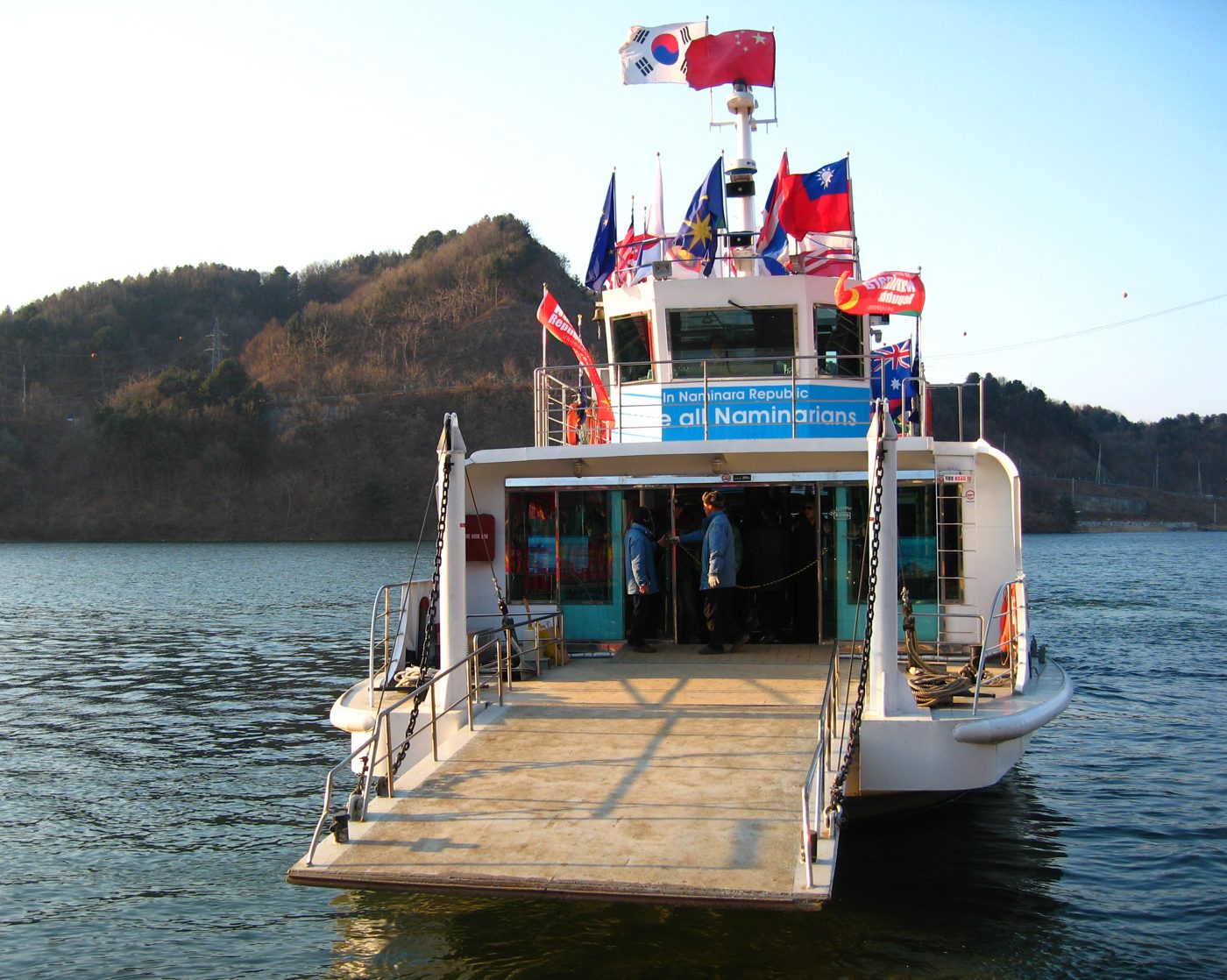
Nami Island is technically in Gapyeong, not Chuncheon, but almost everyone visits them together — and the ITX-Cheongchun stops in Gapyeong on the way to Chuncheon, so logistically it makes sense to cover it here.
Getting to the Island
From Gapyeong Station, take the shuttle bus or a taxi to the Nami Island ferry wharf (about 10 minutes, ₩1,500 by bus or ₩5,000 by taxi). The ferry crossing takes 5 minutes and runs every 10-30 minutes. The entrance fee — they call it a "visa" because Nami declared itself the Naminara Republic — is ₩16,000 for adults, which includes the round-trip ferry.
There's also a zip-line option to reach the island, which costs ₩44,000 (one-way, includes return ferry and admission). It's a 940-meter ride across the river at up to 80km/h. Genuinely thrilling, and the aerial view of the island is stunning. You still take the ferry back.
What to Do on Nami Island
Nami Island is small — you can walk the entire perimeter in about 90 minutes. The main attraction is the scenery itself. The island is covered in towering trees that form natural tunnels, and the combination of water, forest, and mountains in every direction creates the kind of landscape that makes you stop and take too many photos.
The Metasequoia Lane is the most famous spot — a straight path flanked by towering dawn redwoods that looks like it belongs in a movie. Because it was in one. The K-drama Winter Sonata filmed its iconic scenes here, and the lane has been a pilgrimage site for Asian drama fans ever since. Even if you've never seen the show, the trees are objectively beautiful.
Other highlights:
- Ginkgo Lane — Explosive yellow in autumn (late October to mid-November)
- Italian Pine Lane — Less crowded, great for photos without people in the background
- UNICEF Garden — Small but thoughtful exhibition; Nami supports several cultural programs
- Song Museum — Rotating art exhibitions in a converted train station
- Bike rentals — ₩6,000 for a standard bike, ₩12,000 for a tandem; riding is the fastest way to cover the island
There are cafes and restaurants on the island, but the food is overpriced tourist fare. Eat before or after — save your appetite for Chuncheon's dakgalbi.
Timing
Arrive early. Tour buses start rolling in from Seoul around 10:30 AM, and by noon the Metasequoia Lane looks like a subway platform. If you catch the first ITX from Seoul and arrive by 9:00 AM, you'll have the island nearly to yourself for the first hour.
Best seasons: Autumn (October-November) is peak — the colours are unreal, but so are the crowds. Spring (April) brings cherry blossoms and is slightly quieter. Winter is beautiful if you dress for it. Summer is lush and green but hot and humid.
Budget 2-3 hours for Nami Island. That's enough to walk the full loop, take your photos, and get back to the ferry wharf without rushing.
Dakgalbi Street — The Original
This is the reason Chuncheon is on every Korean food lover's radar. Dakgalbi (닭갈비) — spicy stir-fried chicken with vegetables, rice cakes, and gochujang sauce — was invented here in the 1960s as a cheap, filling meal for university students. It's since spread across Korea and the world, but the original Chuncheon version hits different.
Where to Go
Chuncheon Myeongdong Dakgalbi Street (춘천명동 닭갈비골목) is a concentrated block of dakgalbi restaurants near the city center. From Chuncheon Station, it's about a 10-minute taxi ride (₩4,000) or a short bus ride. The street is impossible to miss — the smell of roasting gochujang and chicken fat hits you a block away.
There are around 20+ restaurants on the street, and honestly, the quality is consistently high. A few names that locals recommend:
- Wontong Dakgalbi (원통닭갈비) — One of the oldest, no-frills atmosphere, huge portions
- Chuncheon Myeongdong Dakgalbi (춘천명동닭갈비) — Reliable tourist-friendly option with English menus
- Bomulchang Dakgalbi (보물창닭갈비) — Local favourite, slightly off the main drag
- Yurim Dakgalbi (유림닭갈비) — Strong spice level, good cheese add-on
How Dakgalbi Works
If you've never had it before, here's the process. You sit at a table with a large round hot plate built into the centre. The server dumps a mountain of marinated chicken, cabbage, sweet potato, rice cakes (tteok), perilla leaves, and gochujang sauce onto the plate. Then they stir-fry everything in front of you, chopping and mixing with flat metal spatulas until the chicken is cooked through and the sauce has caramelised.
You eat directly from the communal plate with chopsticks. When the chicken is mostly gone, you order bokkeumbap (볶음밥) — fried rice — and the server adds rice, seaweed flakes, and sesame oil to the remaining sauce, then fries it on the same plate. This is the best part. The caramelised gochujang coating on each grain of rice is addictive.
Prices: Dakgalbi runs about ₩12,000-14,000 per person (minimum 2 servings). Add cheese for ₩3,000-4,000 — it melts into the sauce and creates a spicy-creamy combination that shouldn't work but absolutely does. The bokkeumbap add-on is usually ₩2,000-3,000.
Spice level: Chuncheon dakgalbi is spicy. Not "Korean tourist-friendly spicy" — actually spicy. If you have a low tolerance, ask for 덜 맵게 해주세요 (deol maepge haejuseyo — "make it less spicy please"). Most restaurants will adjust. The cheese version also mellows the heat significantly.
The Difference
So why come to Chuncheon for dakgalbi when every neighbourhood in Seoul has a dakgalbi restaurant? Two reasons. First, the portions in Chuncheon are noticeably larger and the prices are lower — Seoul dakgalbi has been gentrified. Second, the Chuncheon restaurants use fresh, locally sourced chicken and make their gochujang marinade in-house. The Seoul chains tend to use pre-made sauce packets. You can taste the difference. The Chuncheon version is deeper, slightly smokier, and has that homemade quality that's hard to replicate.
If you're a Korean food enthusiast, eating dakgalbi in Chuncheon is like eating pizza in Naples. It's not just about the dish — it's about eating it where it was born.
Gangchon Rail Bike (강촌레일바이크)
The Gangchon Rail Bike is one of those activities that sounds touristy until you actually do it — and then you understand why everyone recommends it. You pedal a four-person rail bike along a decommissioned railway track through tunnels, over bridges, and past river valleys for about 8 kilometres. The scenery is ridiculous.
How It Works
The rail bike course runs from Gimyujeong Station (김유정역) to Gangchon Station (강촌역) — both on the Gyeongchun Line, so you can reach the start point directly from Seoul by subway. The ride takes about 40-50 minutes depending on how hard you pedal (there's no engine — it's human-powered, though downhill sections give you a break).
At the end of the rail bike course, you board a small romantic train that takes you back to Gimyujeong Station (about 10 minutes). The return train rides through a tunnel lit up with LED lights and music — it's a bit cheesy but kids love it, and honestly, so do adults.
Tickets & Timing
Price: ₩35,000 per rail bike (seats 2-4 people). That's per bike, not per person — so if you fill all four seats, it's under ₩9,000 each.
Operating hours: Departures run from 9:00 AM to around 5:30 PM (last departure varies by season). In summer, they sometimes add evening departures with illuminated tunnels.
Reservations: Book online in advance at railpark.co.kr. Weekend and holiday slots sell out, especially the 10:00-11:00 AM departures. Weekday mornings are much quieter.
Best time: Autumn is spectacular — the track runs through a river valley that turns gold and red in October. Spring is also lovely. Summer gets sweaty (you're pedalling, remember), and winter is freezing but dramatically beautiful with frost on the rails and bare mountain ridges.
Tips
- Wear comfortable shoes and layers — the tunnels are significantly cooler than outside
- Bring sunscreen in summer; there's no shade on the open sections
- The pedalling isn't hard, but it's not effortless either — about the difficulty of a flat bicycle ride
- Cameras and phones are fine, but secure them; there's no stopping once you start
- If you're combining this with Chuncheon dakgalbi, do the rail bike first — pedalling on a stomach full of spicy chicken is not ideal
Soyang Dam & Soyang Lake (소양댐)
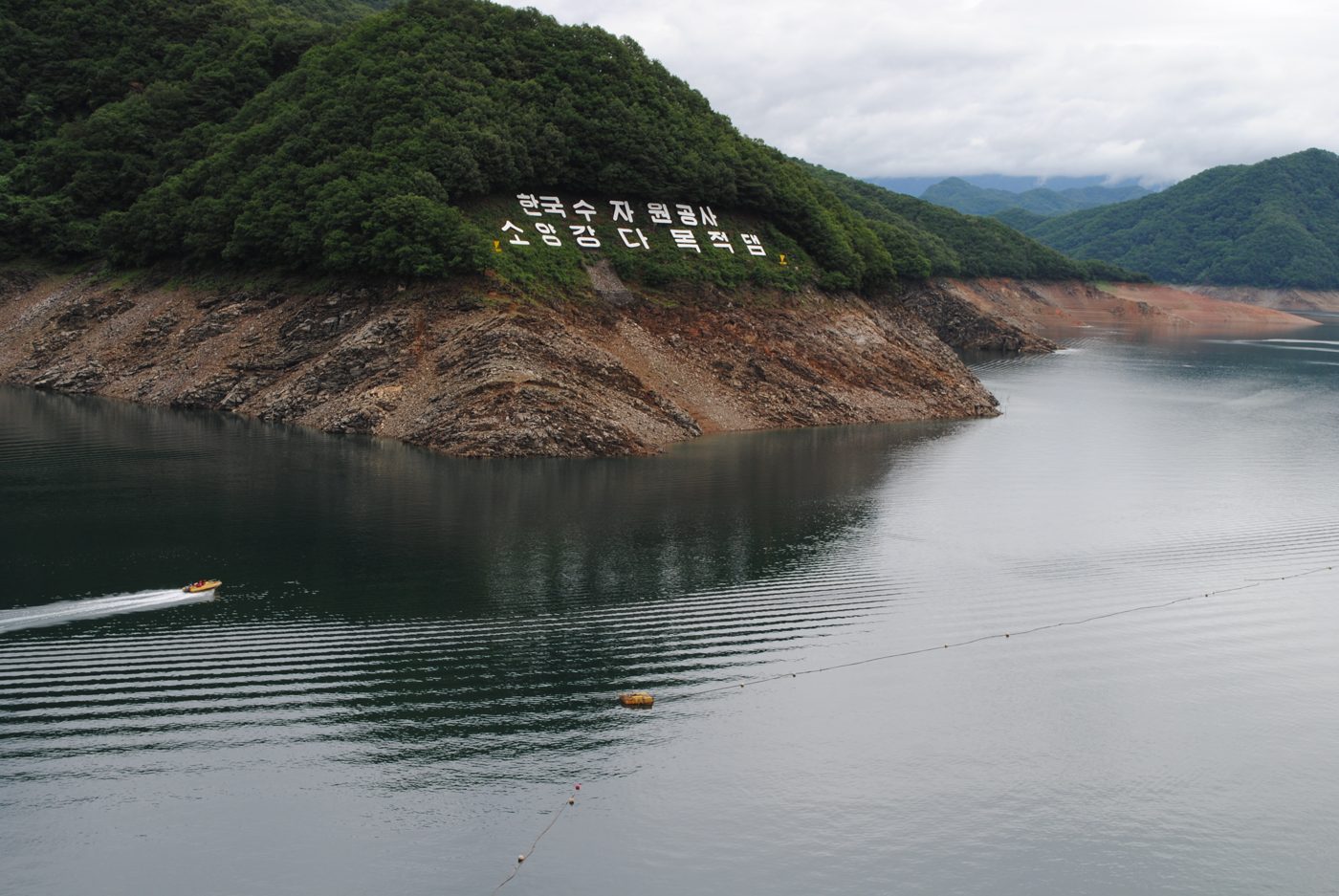
Soyang Dam is the kind of place most tourists skip because it's not "Instagrammable" in the obvious way — and that's exactly why I like it. Built in 1973, it's one of the largest rock-fill dams in Asia, standing 123 metres high and holding back a reservoir that stretches over 70 kilometres into the Gangwon mountains. The scale is genuinely impressive when you're standing on top of it.
What to Do
Walk across the top of the dam for the panoramic view — on one side, the vast Soyang Lake disappears into misty mountain ridges; on the other, the Soyang River flows downstream toward Chuncheon city. On clear days, the water is an almost Mediterranean shade of blue-green.
From the dam, you can take a ferry boat up the lake to Cheongpyeongsa Temple (청평사), a Buddhist temple nestled in the mountains above the lake. The ferry takes about 10 minutes and costs ₩5,500 round-trip. From the dock, it's a 15-20 minute walk uphill through forest to reach the temple. The temple itself dates back to 973 AD and sits in a quiet valley with a waterfall nearby. It's not as famous as Seoul's temples, and that's the appeal — you might have it nearly to yourself on a weekday.
The area around the dam also has a small sculpture park and a few seafood restaurants serving freshwater fish from the reservoir — try the maeuntang (spicy fish stew) if you see it on a menu.
Getting There
Soyang Dam is about 15 minutes by taxi from Chuncheon city centre (around ₩8,000). There are also local buses, but the schedules are infrequent. If you have a rental car, this is straightforward. Without one, budget for taxi fare and coordinate your timing with the ferry schedule.
This is the best half-day add-on if you're staying overnight in Chuncheon. It's hard to squeeze into a day trip that already includes Nami Island and dakgalbi, but if you skip Nami (or have already been), Soyang Dam plus the temple ferry is a beautiful way to spend a morning.
Petit France & Jade Garden
These two attractions sit in the Gapyeong area (between Seoul and Chuncheon) and are often bundled with Nami Island visits. They're both manufactured tourist sites rather than natural or historical attractions, so manage your expectations accordingly.
Petit France (쁘띠프랑스)
Petit France is a small French-themed cultural village built on a hillside overlooking Cheongpyeong Lake. It's a cluster of pastel-coloured buildings designed to look like a Provençal village, with small galleries, a marionette theatre, a music box museum, and photo spots everywhere. The Little Prince theme runs throughout — Saint-Exupéry's character appears on murals, statues, and merchandise.
Admission: ₩12,000 for adults. Open 9:00 AM to 6:00 PM daily.
My honest take: Petit France is designed for photos. If you enjoy themed spaces, K-drama filming locations (it's appeared in several), and whimsical architecture, you'll have fun for an hour. If you're looking for authentic Korean culture, this isn't it. It's a nice enough diversion, but I wouldn't reorganise your day around it.
Jade Garden (제이드가든)
Jade Garden is a European-style botanical garden spread across a forested hillside. It has 24 themed gardens connected by walking paths through pine and deciduous forest. The garden was used as a filming location for the K-drama That Winter, the Wind Blows, and it's genuinely beautiful — more natural and less theme-park than Petit France.
Admission: ₩11,000 for adults. Open 9:00 AM to 6:00 PM (last entry 5:00 PM).
Jade Garden works best in spring (azaleas and tulips) or autumn (forest colours). It takes about 60-90 minutes to walk through at a comfortable pace. If you're choosing between the two, I'd pick Jade Garden — it feels less commercial and the natural setting is legitimately pretty.
Getting There
Both require a car or taxi from Gapyeong Station. Petit France is about 20 minutes by taxi; Jade Garden is about 30 minutes. Some visitors book the Gapyeong City Tour Bus, which loops between the station, Nami Island, Petit France, Jade Garden, and a few other spots for ₩8,000 all day. Buses run roughly every 40-60 minutes. It's not the most efficient option, but it eliminates the taxi coordination headache.
Makguksu — Chuncheon's Other Famous Dish
Everyone comes to Chuncheon for dakgalbi, but the city's other signature dish deserves equal attention. Makguksu (막국수) is cold buckwheat noodles served in an icy broth or with a spicy bibim sauce. The name literally means "roughly cut noodles" — they're made from buckwheat flour, giving them a slightly grey colour and a nutty, earthy flavour that's completely different from wheat noodles.
How It's Served
There are two main styles:
- Mul makguksu (물막국수) — Cold noodles in a clear, icy dongchimi (radish water kimchi) broth. Light, refreshing, and subtly tangy. Perfect in summer, but eaten year-round in Chuncheon.
- Bibim makguksu (비빔막국수) — Cold noodles mixed with a spicy gochujang-based sauce, topped with sliced cucumber, radish, and sometimes a boiled egg. More intense, more satisfying, and the version most visitors prefer.
Both come with a side of vinegar and mustard — add them to taste. The noodles are long; use the scissors provided to cut them to manageable lengths before eating. (Yes, scissors at the table. Welcome to Korea.)
Where to Eat
The best makguksu restaurants are scattered around Chuncheon rather than concentrated on one street:
- Samtong Makguksu (삼통막국수) — A local institution with long lunch queues; the broth is exceptional
- Chuncheon Makguksu Tteok Museum — Part restaurant, part exhibition on buckwheat noodle history; surprisingly good food for a museum
- Siraegi Makguksu (시래기막국수) — Known for their bibim version with a house-made sauce that has real depth
Prices: ₩8,000-10,000 per bowl. Incredibly filling for the price.
The Dakgalbi + Makguksu Combo
Here's the local move: order makguksu alongside your dakgalbi. Many dakgalbi restaurants serve makguksu as a side dish, or you can hit a dedicated makguksu spot first and then walk to Dakgalbi Street. The cold, nutty noodles are the perfect counterbalance to hot, spicy chicken. It's one of the best one-two punches in Korean cuisine.
Practical Tips
When to Visit
Autumn (October-November) is peak season and for good reason — the mountain colours around Chuncheon are some of the best in Gangwon Province. The rail bike and Nami Island are at their most photogenic. Book everything in advance.
Spring (April-May) is the sweet spot — cherry blossoms, mild temperatures, and noticeably fewer crowds than autumn. The lakeside paths are perfect for walking.
Summer (July-August) is hot and humid, but the cold makguksu tastes better than ever, and Soyang Lake offers some relief. Expect afternoon rain showers.
Winter (December-February) is genuinely cold — Chuncheon is one of the coldest cities in South Korea, regularly hitting -15°C or lower. But the scenery is dramatic, the dakgalbi warms you from the inside, and Nami Island in snow is magical. Dress in serious layers.
How Long to Spend
Day trip: Tight but doable. Pick Nami Island + dakgalbi, or rail bike + dakgalbi. Trying to hit everything in one day will leave you exhausted and late for the last train.
Overnight: The ideal. One full day gives you time for Nami, dakgalbi, and the rail bike without rushing. Add a morning at Soyang Dam before heading back to Seoul.
Two days: Now you can add Petit France or Jade Garden, explore the lakeside bike paths, and eat makguksu at a proper sit-down restaurant instead of grabbing it as a side dish. This is the pace Chuncheon deserves.
Getting Around Chuncheon
Within Chuncheon city, taxis are cheap and plentiful. Most rides within the city are ₩4,000-8,000. Local buses exist but the routes are confusing for non-Korean speakers and the schedules aren't frequent. If you're visiting multiple sites outside the city centre (Soyang Dam, rail bike, etc.), taxis or a rental car are the way to go.
Naver Map works much better than Google Maps for Chuncheon. Download it before you go, and use the transit directions for bus routes. T-money cards work on all local buses and the Gyeongchun Line subway.
Connectivity
Get a Korean SIM card or pocket WiFi before you leave Seoul. Chuncheon's city centre has decent WiFi coverage in cafes and restaurants, but once you're at Soyang Dam, on the rail bike, or on Nami Island, you'll want your own data connection for maps and translations.
Language
English is less widely spoken in Chuncheon than in Seoul. The dakgalbi restaurants on the main street have English menus, and Nami Island is fully set up for international tourists. But at local makguksu restaurants, bus stops, and taxi ranks, you'll be working in Korean or relying on your phone's translator. Learn the basics: 감사합니다 (gamsahamnida — thank you), 이거 주세요 (igeo juseyo — this one please), and 매운 거 못 먹어요 (maeun geo mot meogeoyo — I can't eat spicy food).
Budget
Chuncheon is significantly cheaper than Seoul. Here's a rough breakdown for a day trip:
- ITX-Cheongchun round trip: ₩13,800
- Nami Island admission + ferry: ₩16,000
- Dakgalbi lunch (per person): ₩15,000-18,000
- Rail bike (per bike, 2-4 people): ₩35,000
- Taxis around Chuncheon: ₩15,000-20,000 total
- Day trip total per person: approximately ₩55,000-75,000 (₩40-55 USD)
If you're building a Korea itinerary, Chuncheon is one of the best value day trips from Seoul. You get mountains, lakes, world-class food, and genuine Korean small-city atmosphere for less than a nice dinner in Gangnam.
What to Pack
- Layers (Chuncheon is colder than Seoul in every season)
- Comfortable walking shoes
- Portable battery pack (full day of photos drains your phone)
- Wet wipes (essential after dakgalbi — the gochujang gets everywhere)
- A light rain jacket in summer
Chuncheon Restaurant Directories
Browse our complete directories with Naver Map links for real photos, menus, and current prices:
FAQ
Is Chuncheon worth a day trip from Seoul?
Absolutely. It's one of the best day trips from Seoul — probably top three alongside the DMZ and Suwon. You can combine Nami Island, dakgalbi, and either the rail bike or Soyang Dam into a full day without feeling rushed, as long as you catch an early train. The ITX-Cheongchun makes the transit painless, and the combination of food, nature, and activities is hard to beat for the price.
Can I visit Nami Island and Chuncheon in the same day?
Yes, and this is the most common way to do it. Nami Island is in Gapyeong, which is a 30-minute train ride before Chuncheon on the same line. Hit Nami Island first thing in the morning (arrive by 9 AM), spend 2-3 hours, then catch the train onward to Chuncheon for a late lunch and afternoon activities. The key is catching an early train from Seoul — the 7:30 AM ITX from Yongsan is the sweet spot.
What's the best season to visit Chuncheon?
Autumn (mid-October to mid-November) is the most visually stunning — the entire Gangwon mountain range turns orange and red, and both Nami Island and the rail bike route are at their most beautiful. But spring (April-May) is my personal favourite: milder weather, fewer tourists, cherry blossoms along the lake, and the same great food. Winter is underrated if you can handle the cold — Chuncheon in snow is genuinely magical, and the dakgalbi tastes even better when it's -10°C outside.
Do I need to know Korean to visit Chuncheon?
It helps, but it's not essential. Nami Island is fully multilingual. Dakgalbi Street has English menus in most restaurants. The ITX trains and subway stations have English signage. Where you'll struggle is local buses, smaller restaurants, and communication with taxi drivers. Download Naver Map for directions, have Papago (Korea's best translation app) ready on your phone, and learn a handful of basic Korean phrases. Most interactions — ordering food, buying tickets, getting a taxi — can be handled with pointing, your phone, and a smile.