
Jeju Oreum Hiking Guide 2026: 5 Volcanic Cones Worth Climbing
Jeju has 368 oreum. An oreum is a small parasitic volcanic cone — a side-vent of the larger Hallasan volcano that erupted long ago and froze into a perfectly conical hill. They're scattered across the island like grass-covered pyramids, each between 100m and 600m high. Most are climbable in 30–60 minutes, and several offer the best views in Jeju. This guide picks five worth your time, ranked by views and accessibility.
Find accommodation around here. Browse Jeju hiking tours here.
1. Seongsan Ilchulbong (UNESCO Sunrise Peak)
Jeju's most famous landmark, and the only oreum that's also a UNESCO World Natural Heritage site. It rose from the sea 5,000 years ago, and its crater rim is the most photographed view on Jeju. The hike is 30 minutes up well-maintained stairs to a 182m summit. The name means "Sunrise Peak" — and yes, sunrise from the top is the trip highlight for many visitors.
- Height: 182m
- Hike: 30 min up, 20 min down (stairs)
- Difficulty: Moderate (lots of stairs)
- Entry: ₩5,000 adults, ₩2,500 kids
- Best time: 30 min before sunrise (gates open 1 hour before)
2. Saebyeol Oreum (The Fire Festival Cone)
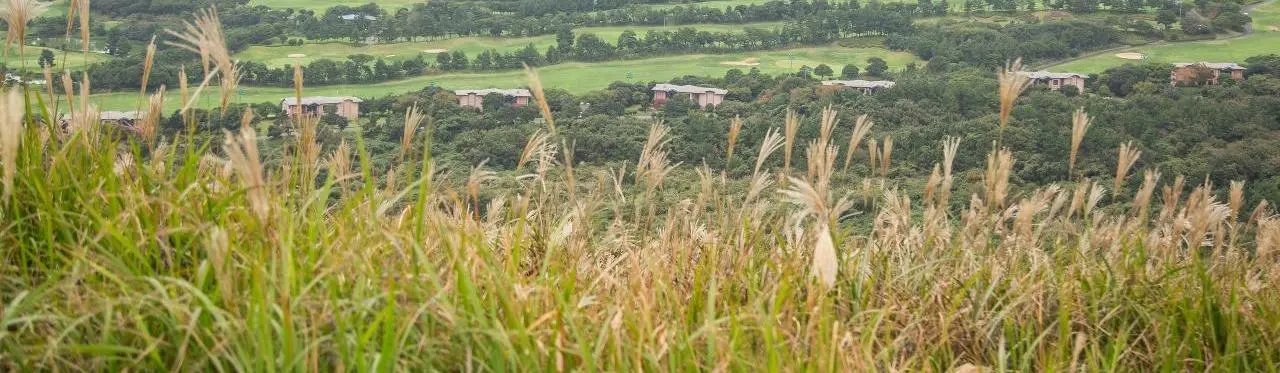
The cone they set on fire each March. Outside of festival days, Saebyeol is a peaceful grass-covered hike — 30 min up, 30 min down, with a 360° view of central Jeju from the top. The slopes are completely treeless (the festival burn keeps them grass-covered), so the view is unobstructed in every direction. Great alternative if you've seen Seongsan and want something quieter.
- Height: 519m (about 250m relative climb)
- Hike: 30 min up, 30 min down (grass + stairs)
- Difficulty: Easy-moderate
- Entry: Free
- Best time: Late afternoon or sunset (avoid midday in summer — no shade)
- Bonus: Visit during the Jeju Fire Festival in March to see it burn.
3. Yongnuni Oreum (The Curved Ridge)
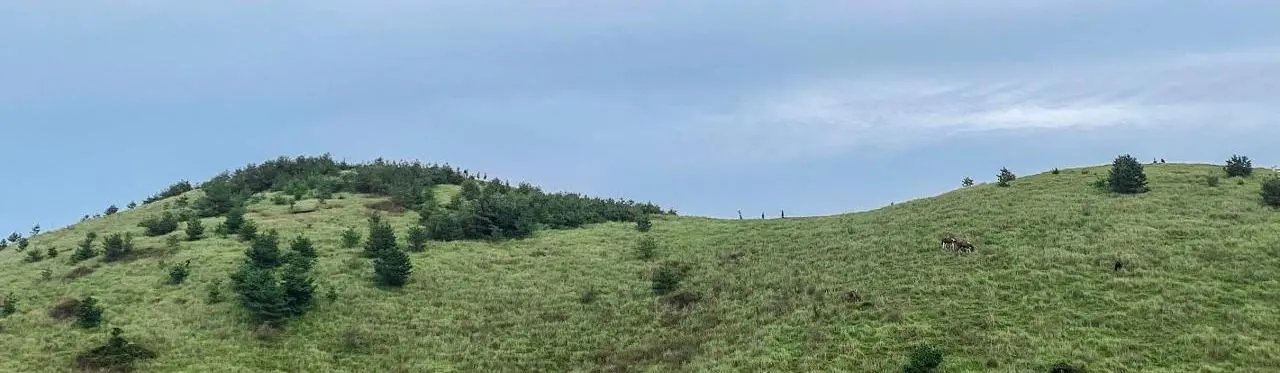
Yongnuni's signature is its distinctive curved ridge — the cone has multiple peaks linked by a saddle, which makes the silhouette one of the most recognizable in Jeju. Named because the ridge "looks like a dragon's eye" (yong = dragon, nun = eye). Pairs naturally with Seongsan Ilchulbong since both are in the east; many people do Yongnuni after their Seongsan sunrise.
- Height: 248m
- Hike: 45 min round trip on grass paths
- Difficulty: Easy
- Entry: Free
- Best time: Mid-morning after Seongsan sunrise
4. Geomun Oreum (UNESCO Lava Tube Origin)
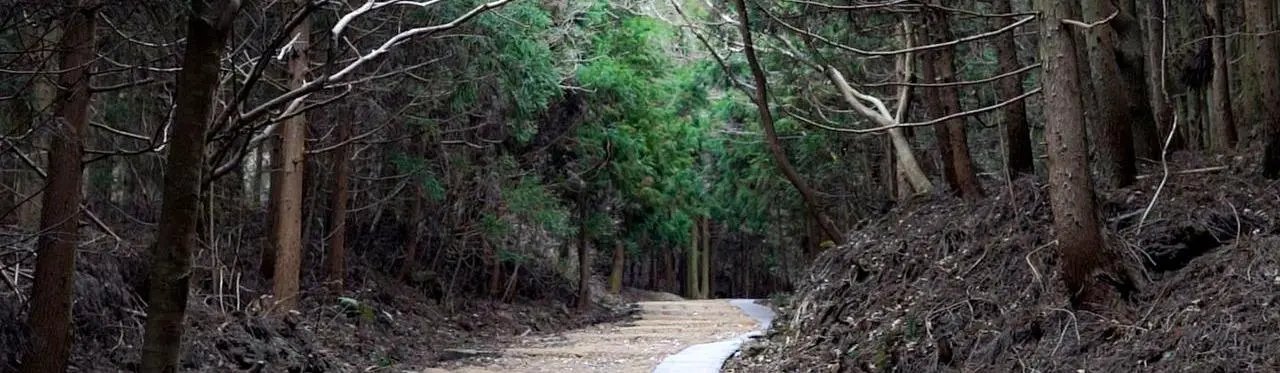
The UNESCO World Natural Heritage oreum — the source of Manjanggul Cave's lava tube system. Heavily forested (unlike most oreum) and managed under strict UNESCO conservation, which means permits required and only weekday hiking. The hike is longer than other oreum (3–4 hours) and feels more like a deep-forest walk than a typical oreum climb.
- Height: 456m
- Hike: 5km loop, 3–4 hours
- Difficulty: Moderate
- Permit required: Yes — book ahead at the World Heritage Office. Weekdays only. Free.
- Best for: Forest atmosphere, UNESCO collectors, ecology fans
5. Darangshi Oreum (The Queen of Oreum)
Locally called "the Queen" — a perfect bowl-shaped crater. The hike is steep (45 min up) but the view from the rim is the textbook image of an oreum: an empty grass-lined bowl 115m deep, surrounded by 360° views of central Jeju and Hallasan. Nearby Ahopgut villages are atmospheric stops on the way.
- Height: 382m
- Hike: 45 min up, 30 min down
- Difficulty: Moderate (steep)
- Entry: Free
- Best time: Spring (wildflowers) or autumn (clear visibility)
Getting to Each Oreum
| Oreum | From Jeju Airport | Notes |
|---|---|---|
| Seongsan Ilchulbong | 1 hr east | Best with rental car for early sunrise. |
| Saebyeol Oreum | 30 min west | Good as a half-day add-on from Jeju City. |
| Yongnuni Oreum | 1 hr east | 10 min from Seongsan — pair them. |
| Geomun Oreum | 50 min east | Permit-only weekdays. |
| Darangshi Oreum | 50 min east | Near Manjanggul + Bijarim Forest. |
Where to Stay
- East Jeju (Seongsan area): 4 of 5 oreum are within 20 min. Sunrise pensions and hotels.
- Jeju City: 30 min to Saebyeol (west), 1 hr to Seongsan (east). Better hotel inventory.
- Aewol: Closest to Saebyeol Oreum (15 min). Cafe + oreum combo.
Search Jeju hotels here, or compare prices here.
Practical Tips: Gear, Season, Etiquette
- Hiking shoes (not sneakers). Oreum trails are grass + occasional rocks; sneakers slip in wet weather.
- No shade. Most oreum are completely open. Bring sunscreen + hat in summer.
- Don't pick the wildflowers. Many Jeju oreum have rare endemic plants. Stay on marked paths.
- Cattle and horses graze freely. Don't feed or chase them.
- Spring and autumn are ideal. Summer is too hot (no shade); winter trails are slippery.
- Sunrise/sunset for photos. Midday light flattens the oreum's shape.
FAQ
What's the easiest oreum?
Yongnuni — gentle 45-min loop, gorgeous ridge.
What's the most photogenic?
Saebyeol Oreum at sunset, or Seongsan Ilchulbong at sunrise.
Do I need a permit?
Only Geomun Oreum (UNESCO restricted). The other 4 are open public access.
How fit do I need to be?
Anyone with basic mobility can do Saebyeol or Yongnuni. Seongsan and Darangshi are stairs-heavy. Geomun is a 3-hour forest hike.
Can I do these in winter?
Yes — but trails ice up. Wear traction spikes (₩10,000) and check weather.
Are oreum free?
All 5 listed are free except Seongsan Ilchulbong (₩5,000 entry as a UNESCO managed site).
More Jeju Travel Guides
- Jeju Island Complete Travel Guide
- Jeju Fire Festival — Saebyeol Oreum on fire each March.
- Hallasan Hiking Guide — the main volcano.
- Jeju 3-Day Itinerary