
Damyang Travel Guide: Bamboo Forest, Metasequoia Road & Bamboo Cuisine (2026)
Damyang is one of those places that makes you wonder why it isn't on every Korea itinerary. A small county in South Jeolla Province, about 30 minutes north of Gwangju, it's built its entire identity around one thing: bamboo. And it does bamboo extraordinarily well — forests you can walk through for hours, food cooked inside bamboo tubes, tea brewed from bamboo leaves, and crafts made from bamboo that's been grown in these hills for centuries. Then there's the Metasequoia Road, which has nothing to do with bamboo but has become one of the most photographed stretches of road in the entire country.
I came to Damyang as a day trip from Gwangju and immediately wished I'd given it more time. The bamboo forest at Juknokwon is genuinely one of the most beautiful places I've visited in Korea — and I say that having done the big-name temples, the coastal trails, and the national parks. There's something about walking through dense bamboo groves, hearing nothing but the wind moving through thousands of stalks overhead, that resets your brain in a way that tourist attractions rarely manage.
Damyang also has some of the most distinctive food in the Jeolla-do region, which is saying something given that Gwangju is right next door. Bamboo-infused everything — rice steamed in bamboo tubes, duck smoked over bamboo, ice cream colored green with bamboo extract. It sounds gimmicky until you taste it. The bamboo adds a subtle, clean flavor that's genuinely good, not just novelty.
If you're planning your first Korea trip, get the basics sorted there first. Then come back here for one of the most rewarding day trips in the country.
🎟️ Book Damyang Experiences
Why Damyang
Damyang (담양) is a rural county with a population of about 45,000 people, and it punches so far above its weight in terms of natural beauty and culinary culture that it's almost unfair. Koreans know it well — it's one of the top domestic travel destinations in the Jeolla-do region — but international visitors rarely make it here. That's slowly changing thanks to Instagram and the Metasequoia Road photos that keep going viral, but for now, you'll still find a place that feels genuinely untouristy.
Here's why Damyang deserves a spot on your Korea itinerary:
- Juknokwon Bamboo Garden — A vast bamboo forest with eight walking trails that range from easy strolls to hillside climbs. It's the single most beautiful bamboo forest in Korea, and one of the best in Asia. The scale of it — thousands of bamboo stalks towering 15–20 meters above you, filtering the sunlight into a green haze — is something photos genuinely can't capture.
- Metasequoia Road — A 2-kilometer stretch of road lined on both sides with towering metasequoia trees planted in the 1970s. It's stunning in every season, but autumn turns it into one of the most iconic landscapes in Korea. You've almost certainly seen it on Instagram or in a Korean drama, even if you didn't know where it was.
- Bamboo cuisine that's actually delicious — This isn't tourist gimmick food. Damyang's bamboo-infused dishes — especially daetongbap (rice steamed in bamboo tubes) and bamboo-smoked duck — are regional specialties with real depth. The Korean food scene goes deep here.
- Easy day trip from Gwangju — Damyang is only 30 minutes by bus from Gwangju, making it one of the most convenient in the southwest. You can see the highlights in 5–6 hours, or spend a full day if you want to include Soswaewon Garden and Changpyeong.
- Traditional Korean gardens and slow villages — Beyond the bamboo, Damyang has Soswaewon, one of the finest Joseon-era private gardens in the country, and Changpyeong, a designated "Slow City" where the pace of life is exactly what the name suggests.
Damyang has been cultivating bamboo for over a thousand years. The climate here — warm and humid in summer, with well-drained hillsides — is ideal for bamboo growth, and the local economy has revolved around bamboo products for generations. Bamboo baskets, bamboo furniture, bamboo charcoal, bamboo salt. The county leaned into this heritage brilliantly when it developed Juknokwon and the surrounding tourist infrastructure, and the result is a place that feels both authentic and well-organized — a combination that's harder to find than you'd think in rural Korea.
Getting to Damyang
Damyang doesn't have a train station, so you're getting there by bus. The good news is that the bus connections are frequent and straightforward, especially from Gwangju. Use Naver Map for real-time bus schedules — it's far more accurate than Google Maps for Korean public transport.
From Gwangju (30 Minutes — The Easy Way)
This is by far the most common approach, and the one I'd recommend. From Gwangju U-Square Bus Terminal, intercity buses to Damyang Bus Terminal run every 15–20 minutes throughout the day. The ride takes about 30 minutes and costs ₩2,500–₩3,000.
You can also catch bus 311 from various stops in central Gwangju directly to Damyang. It takes slightly longer (40–50 minutes depending on where you board) but picks up in more convenient locations if you're not near U-Square.
Tip: If you're staying in Gwangju and doing Damyang as a day trip, catch an early bus (before 9:00 AM) so you can hit Juknokwon when it opens and beat the midday crowds. The bamboo forest is at its most magical in the early morning light anyway.
From Seoul (KTX + Bus)
There's no direct train to Damyang, so you'll need to connect through Gwangju. Take the KTX from Seoul Yongsan Station to Gwangju Songjeong Station (approximately 1 hour 50 minutes, ₩42,600). From Songjeong Station, take the metro or taxi to U-Square Bus Terminal, then catch the bus to Damyang.
Total journey time from Seoul: approximately 3–3.5 hours including the connection. It sounds like a lot, but the KTX portion is comfortable, and the Gwangju-to-Damyang leg is short. Most people do Damyang as part of a Gwangju trip rather than coming from Seoul specifically for Damyang alone — and I think that's the right approach. Gwangju deserves at least two days anyway.
Alternatively, express buses from Seoul's Central City Terminal run directly to Damyang Bus Terminal. The ride takes about 3.5–4 hours and costs around ₩20,000–₩25,000. Departures are less frequent than the Gwangju route, so check schedules on bustago.or.kr before committing to this option.
From Jeonju or Other Cities
From Jeonju, take an intercity bus to Gwangju (1.5 hours, ₩8,000) and connect to Damyang from there. From Busan or Daegu, route through Gwangju via KTX or express bus. There's no efficient direct connection from the east coast to Damyang — everything funnels through Gwangju.
Getting Around Damyang
Damyang town itself is small enough that the main attractions near the bus terminal (Juknokwon, the restaurant strips) are walkable. However, Metasequoia Road, Soswaewon Garden, and Changpyeong are spread out across the county and require local buses or taxis.
Local buses connect the major sites but run infrequently (every 30–60 minutes). Taxis are a better option for efficiency — a taxi from Damyang Bus Terminal to Metasequoia Road costs about ₩8,000–₩12,000, and from there to Soswaewon is another ₩10,000–₩15,000. If you're splitting with travel companions, taxis become very economical. You can also call taxis through Kakao T.
Bike rental: Damyang has a cycling path that connects Juknokwon, the bamboo-themed road, and the Metasequoia Road. Renting a bike near the bus terminal costs ₩5,000–₩10,000 for a half day and is genuinely one of the best ways to experience the area if the weather cooperates. The cycling path is flat, well-maintained, and runs through beautiful countryside.
Juknokwon Bamboo Garden (죽녹원)
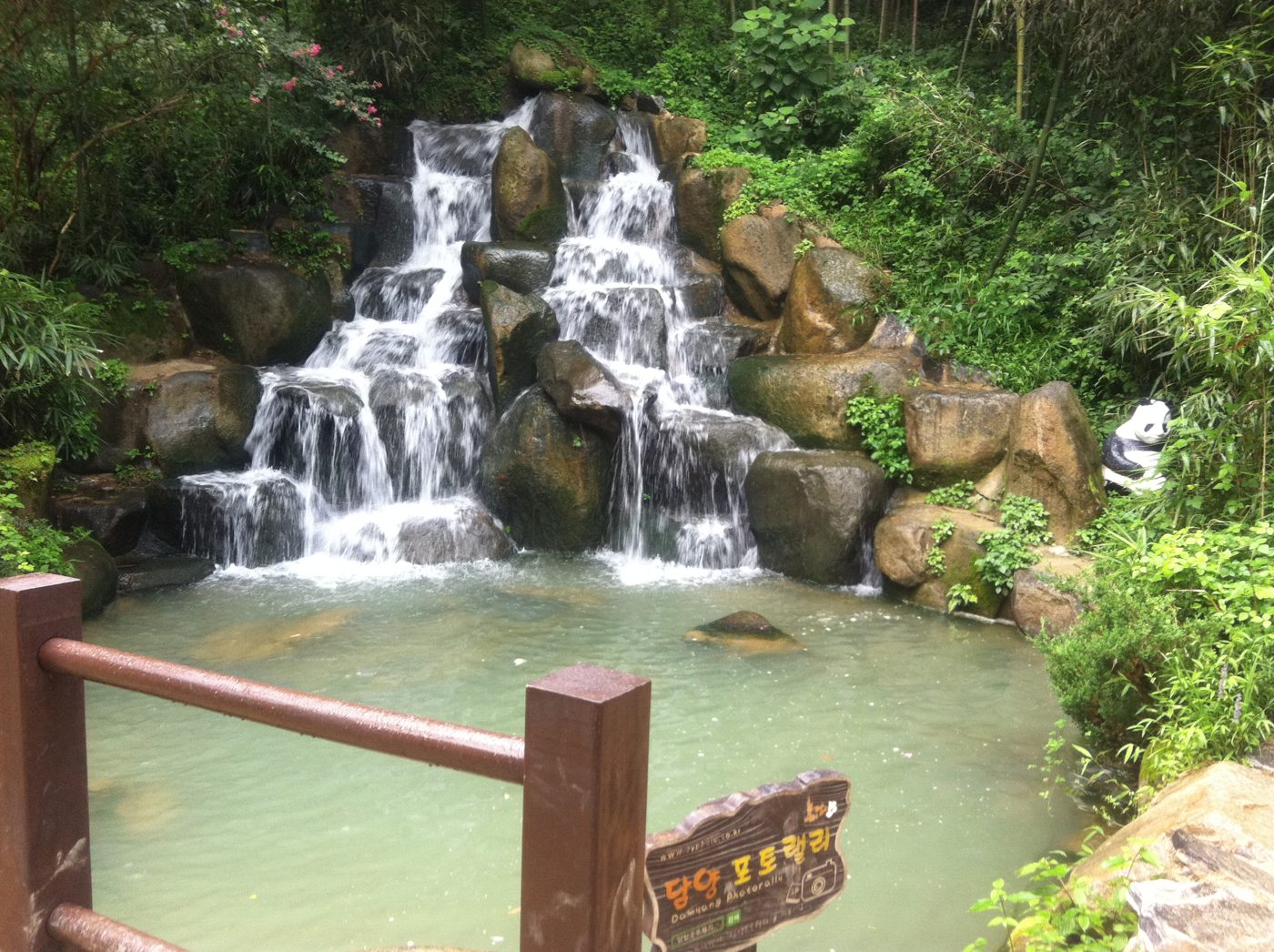
Juknokwon is the reason most people come to Damyang, and it deserves every bit of its reputation. This is a 310,000-square-meter bamboo garden spread across a hillside right in Damyang town, with eight themed walking trails winding through dense groves of bamboo that tower overhead like green cathedral columns. The Korean name literally means "bamboo green garden," and that undersells it. This place is staggering.
The garden was established in 2003 by the local county government, using bamboo that had been growing on this hillside for much longer than that. What they did well was create infrastructure — proper walking paths, rest areas, observation decks — without destroying the natural feeling of the forest. The paths are mostly packed earth and wooden boardwalks, and once you're a few minutes into the bamboo groves, the outside world essentially disappears.
The Walking Trails
Eight trails are named after the qualities bamboo represents in Korean culture — things like loyalty, filial piety, and contemplation. In practice, you don't need to choose just one. Most visitors do a loop that takes in the main bamboo groves on the lower paths and then climbs to the hillside viewpoints. The full loop takes about 1.5–2 hours at a relaxed pace.
- Sasaui-gil (운수대통길) — The "good fortune" path and the most popular route. Wide, flat, and lined with the thickest bamboo groves. This is where most of the iconic photos come from — the light filtering through dense bamboo creating that green-gold haze.
- Hillside trails — Steeper paths that climb to the upper reaches of the garden, where you get views over the bamboo canopy and out toward the Damyang countryside. More physically demanding but far less crowded. If you have decent fitness, don't skip these.
- Ecological observation path — A quieter trail focused on the bamboo ecosystem, including different bamboo species, wildlife, and the natural spring water that runs through the garden.
The sound is what gets you. Wind moving through bamboo makes this distinctive rustling, creaking sound that you hear before you see the stalks swaying. Thousands of bamboo stalks moving in unison creates an ambient soundscape that's genuinely meditative. I'm not usually one for "zen moment" travel writing, but Juknokwon earned it.
Timing and Entry
Juknokwon is open daily from 9:00 AM to 6:00 PM (last entry 5:00 PM). Hours may extend slightly in summer. Entry costs ₩3,000 for adults, ₩1,000 for children. Yes, ₩3,000. For one of the most beautiful natural attractions in Korea. It's absurdly cheap.
Best time to visit: Early morning (9:00–10:30 AM) or late afternoon (3:30–5:00 PM). The midday period from 11:00 AM to 2:00 PM gets crowded, especially on weekends and during peak seasons. The morning light through the bamboo is extraordinary — the stalks glow green and gold, and the shadows create geometric patterns on the path that look like someone designed them.
Best seasons: Juknokwon is beautiful year-round because bamboo is evergreen, but each season has a different character:
- Spring (April–May) — New bamboo shoots emerging. Fresh, bright green. Comfortable temperatures.
- Summer (June–August) — The bamboo provides natural shade and cooling, making this one of the best summer escapes in the region. The green is at its deepest and most saturated. Can be humid.
- Autumn (September–November) — The bamboo stays green while the surrounding trees change color, creating beautiful contrasts. This is also prime time for Metasequoia Road, so you can combine them. Check the 2026 foliage forecast for timing.
- Winter (December–February) — Snow on bamboo is hauntingly beautiful. Far fewer visitors. Cold, but the bamboo groves block wind effectively.
What to bring: Comfortable walking shoes (some paths are uneven or involve steps), water, and a camera. The bamboo canopy provides shade, but sunscreen is still wise in summer. There are restrooms and a small café at the entrance area.
Metasequoia Road (메타세쿼이아 가로수길)
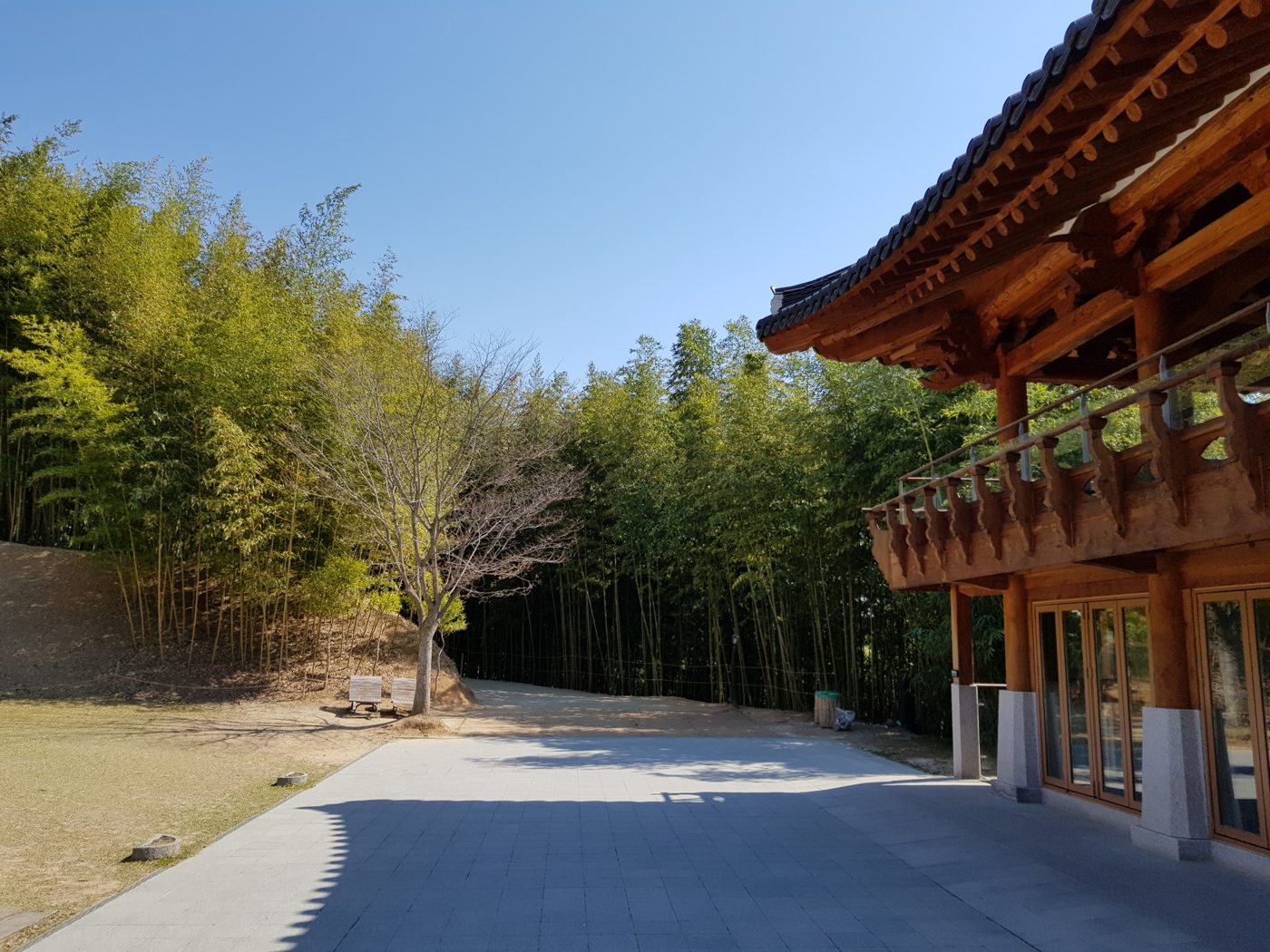
You've seen this road. Even if you don't know its name, you've seen the photo — a perfectly straight road flanked by towering metasequoia trees forming a natural tunnel, their branches reaching across to interlock overhead. It goes viral on social media every autumn when the trees turn from green to copper-gold, and it's been the backdrop for countless Korean dramas, films, and music videos.
The road stretches for about 2 kilometers along the old national highway between Damyang and Sunchang, lined on both sides with metasequoia trees that were planted in the early 1970s as part of a nationwide roadside planting campaign. Fifty-plus years later, those saplings have grown into magnificent trees — some reaching 30 meters tall — creating one of the most beautiful tree-lined roads in Asia.
The Instagram Shot (and the Real Experience)
Let me be upfront: the most famous photos of Metasequoia Road are taken from the middle of the road, and you shouldn't stand in the middle of an active road for a photo. The good news is that a section of the road has been closed to traffic and converted into a pedestrian walkway and park area, so you can get the shot safely.
The pedestrian section includes a wooden deck path that runs alongside the trees, benches for sitting, and enough space to walk comfortably without dodging cars. The vehicle-free zone is where the magic is — you can stand in the center, look down the corridor of trees, and get that perfect symmetrical shot that breaks Instagram.
Photography tip: The best light is in the early morning or late afternoon when the sun is low and the tree shadows create dramatic lines across the road. Overcast days actually work well too — the diffused light brings out the color of the bark and leaves without harsh shadows. In autumn, aim for the first two weeks of November when the foliage is at peak gold.
Best Season
Metasequoia Road is worth visiting in any season, but let's be honest — autumn is why this place is famous. When the metasequoia leaves turn from green to golden-orange to russet-brown, usually from late October through mid-November, the road becomes almost supernaturally beautiful. The trees form a complete canopy, and when the leaves are turning, it's like walking through a tunnel of amber light.
- Autumn (late October–mid November) — Peak season. Absolutely stunning, but expect significant crowds on weekends. Weekday mornings are vastly better. The fallen leaves carpet the road in gold, which is almost as photogenic as the canopy above.
- Summer — Full green canopy creates deep shade. Peaceful and less crowded. The trees are impressive for their sheer size even without the autumn color.
- Spring — Fresh bright green as the new leaves come in. A close second to autumn for beauty.
- Winter — The bare branches create intricate geometric patterns against the sky. A completely different mood — stark and sculptural. Snow on the branches is remarkable if you time it right.
There's a small parking area and a few vendors selling snacks and drinks near the pedestrian section. No formal entrance fee — the road and walking area are free and open at all times, though the adjacent park area may have operating hours.
Soswaewon Garden (소쇄원)
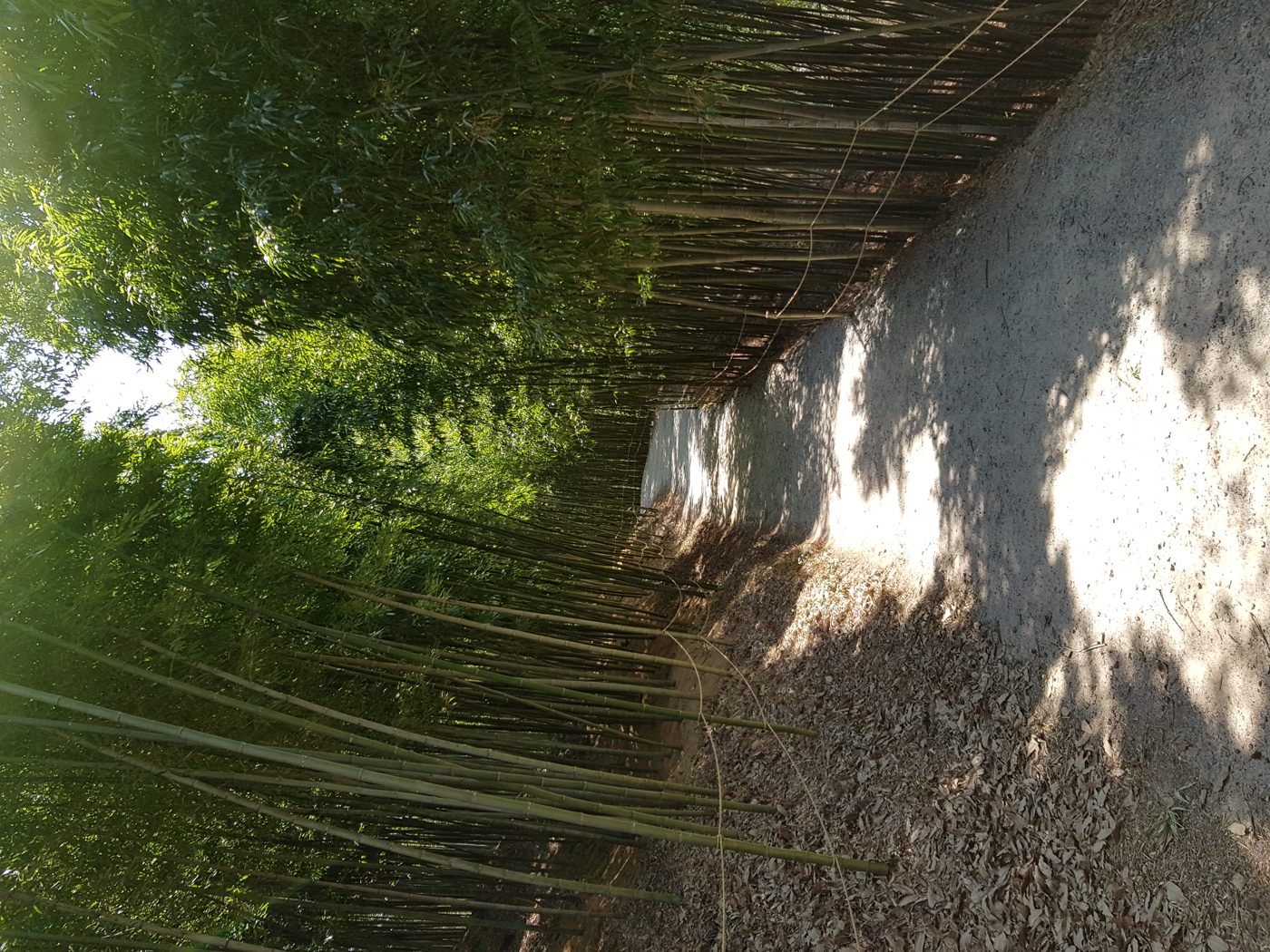
If Juknokwon is Damyang's blockbuster attraction, Soswaewon is its hidden gem. This is one of the finest examples of a Joseon-era private garden in Korea — a 500-year-old retreat built by a scholar named Yang San-bo in the 1530s after he withdrew from public life following the execution of his mentor by a political rival. The garden is small, intimate, and profoundly beautiful in the way that only Korean traditional gardens manage — designed to frame and enhance the natural landscape rather than impose artificial order on it.
Soswaewon sits in a narrow valley with a stream running through it, surrounded by bamboo groves and old trees. The design philosophy is quintessentially Korean: work with nature, don't fight it. Stone walls follow the contours of the terrain. Pavilions are positioned to capture specific views — a waterfall here, a bamboo grove there, a mountain ridge in the distance. The stream was incorporated into the garden rather than diverted around it, with stepping stones and small bridges creating paths that force you to slow down and notice details.
The garden is about 15 minutes by taxi from Damyang town center (₩8,000–₩10,000) or reachable by local bus (check schedules with Naver Map, as they run infrequently). Entry is ₩2,000 for adults. It's open daily from 9:00 AM to 6:00 PM.
Give yourself at least 45 minutes to an hour. The garden is compact — you can physically walk through it in 15 minutes — but that would miss the point entirely. Soswaewon is designed for sitting, looking, and being still. Find a spot in one of the pavilions, listen to the stream, watch the light move through the bamboo. This is a garden that rewards patience, and it's one of the most peaceful places I've found in Korea.
Soswaewon is also part of a cluster of historic garden sites in the Damyang area that are being considered for UNESCO World Heritage listing. Whether that happens or not, the garden's significance in Korean landscape architecture is hard to overstate — it's studied by architects and garden designers worldwide as one of the purest expressions of East Asian garden philosophy.
Changpyeong Slow City (창평 슬로시티)
Changpyeong is a small town in the eastern part of Damyang county that was designated as a "Slow City" (Cittàslow) in 2007 — part of an international movement that originated in Italy to preserve local culture, food traditions, and a pace of life that doesn't revolve around productivity metrics. In practice, what this means is a village that takes its traditional food culture very seriously, maintains its old hanok architecture, and actively resists the kind of generic modernization that has homogenized many Korean towns.
The main draw is walking through the old village streets, popping into traditional jang (fermented paste) workshops, and eating at family-run restaurants that serve food made with local ingredients and traditional methods. Changpyeong is famous for its traditional rice taffy (쌀엿, ssalyeot), handmade by families who've been doing it for generations. You can watch the process and buy directly from the makers — a box of ssalyeot makes an excellent edible souvenir.
The Slow City also has a traditional market, several hanok houses open for viewing, and walking trails through the surrounding countryside. It's not a place with a specific "must-see" attraction — it's a place where the entire experience is the attraction. Wander, eat, talk to the ajummas selling jangajji (pickled vegetables) at their doorstep, and let the afternoon happen.
Changpyeong is about 20 minutes by taxi from Damyang town center. Combine it with Soswaewon (they're in the same general direction) if you want a full day that covers Damyang's cultural and natural highlights beyond just Juknokwon and Metasequoia Road.
The Damyang Food Guide
Damyang's food scene revolves around bamboo — but not in the way you might expect. This isn't a novelty food situation where they stick bamboo flavoring in everything for the Instagram factor. Bamboo has been part of the local cuisine for centuries, and the dishes here have genuine culinary merit. The Jeolla-do food tradition is arguably the deepest and most generous in Korea, and Damyang adds its own unique bamboo-infused twist to that foundation.
Most of the best restaurants are concentrated in two areas: the street leading from Damyang Bus Terminal toward Juknokwon (locals call it "bamboo food street"), and the older restaurant district near the traditional market. Expect generous portions, lots of banchan, and prices that feel almost apologetically cheap compared to Seoul.
Daetongbap (대통밥) — Bamboo Tube Rice
This is Damyang's signature dish and the one thing you absolutely must eat here. Daetongbap is rice (usually mixed with beans, chestnuts, jujubes, and ginkgo nuts) steamed inside a freshly cut section of bamboo. The bamboo tube is sealed and cooked over heat, and when you crack it open at the table, the rice has absorbed a subtle, slightly sweet, clean flavor from the bamboo that's unlike anything you've tasted before.
The rice is served still inside the bamboo tube — you split it open yourself and scoop the rice out. It comes with a full spread of banchan (expect 8–15 side dishes at a proper Damyang restaurant), soup, and usually a bamboo leaf tea. A daetongbap set meal typically costs ₩12,000–₩18,000 per person, and that price includes everything. The bamboo tube itself is often given to you as a souvenir.
Where to eat it: The restaurants on the road between the bus terminal and Juknokwon all serve it, and honestly, the quality is consistently good across the board — this is a dish where technique and ingredients matter more than celebrity chef status. Look for places with Korean families eating there (always the best signal) rather than empty dining rooms with aggressive touts outside.
Bamboo-Smoked Duck (대나무 훈제 오리)
Damyang's second signature dish is duck that's been smoked over bamboo charcoal and bamboo leaves. The bamboo smoke gives the duck a distinctive aroma and a slightly different flavor profile from regular smoked duck — lighter, cleaner, with a hint of that characteristic bamboo sweetness. The duck is typically served sliced, with dipping sauces, ssam (lettuce and perilla leaves for wrapping), and a mountain of banchan.
A bamboo-smoked duck set for two people runs ₩30,000–₩45,000 depending on the restaurant and portion size. This is a dish best shared — order it for the table alongside daetongbap and you've got a perfect Damyang meal.
Tteokgalbi (떡갈비)
Tteokgalbi is a Jeolla-do specialty — not exclusive to Damyang, but excellent here. The name translates roughly as "rice cake ribs," which is misleading. It's actually seasoned minced beef (or beef and pork) that's been shaped into patties and grilled. The texture sits somewhere between a hamburger and a traditional galbi, with a sweet-savory marinade that caramelizes beautifully on the grill. The Gwangju version is famous too, but Damyang's restaurants do it with their own local touch — some add bamboo charcoal to the grilling process.
Tteokgalbi as a main dish costs ₩12,000–₩16,000 per person and comes with the full banchan spread. Some restaurants offer a combination set with daetongbap and tteokgalbi, which is the move if you're trying to maximize your Damyang food experience in one meal.
Bamboo Leaf Tea (대잎차) and Other Bamboo Drinks
Bamboo leaf tea is served as the default tea at most Damyang restaurants — where other Korean restaurants give you barley tea (boricha), Damyang gives you daeipcha. It's light, slightly grassy, mildly sweet, and genuinely refreshing. You can buy dried bamboo leaves for making your own at the Damyang market and souvenir shops near Juknokwon — a small bag costs ₩5,000–₩8,000 and makes dozens of cups.
You'll also find bamboo soju (대나무 소주, daenamu soju), which is regular soju infused with bamboo extract. It's smoother than standard soju, with a clean finish. Available at most restaurants and convenience stores in Damyang. A bottle costs ₩6,000–₩8,000 at restaurants.
For something lighter, look for bamboo ice cream and bamboo juice (basically a sweetened bamboo extract drink) sold at stalls near Juknokwon. The ice cream is a distinctive green color and tastes subtly earthy-sweet — worth trying at ₩3,000–₩4,000 for a cup or cone.
Where Locals Eat
The best strategy in Damyang is the same as everywhere else in Korea: follow the Korean families. The restaurant strip near Juknokwon is heavily touristed (by Korean standards), but the quality remains high because Korean domestic tourists have exacting food standards. If a place is serving bad daetongbap, it won't survive a single Naver review cycle.
For a more local experience, head to the Damyang Traditional Market (담양 전통시장) near the bus terminal. It's a small market, but the food stalls serve cheap, honest food — bindaetteok (mung bean pancakes), sundae (blood sausage), and kalguksu (knife-cut noodle soup) alongside the bamboo specialty items. Market food prices: ₩4,000–₩8,000 for a filling meal.
Combining with Gwangju & Boseong
Damyang is almost always visited as part of a broader Jeolla-do itinerary, and the geography makes combining destinations natural. Here are the routes that work best:
Damyang + Gwangju (2–3 Days)
This is the most common and logical pairing. Base yourself in Gwangju for 2–3 nights at a hotel and do Damyang as a day trip. The 30-minute bus connection makes this effortless. A typical itinerary:
- Day 1: Arrive in Gwangju, explore 1913 Songjeong Market, dinner in the city center
- Day 2: May 18th sites in the morning, Yangnim-dong and food tour in the afternoon
- Day 3: Early bus to Damyang, Juknokwon in the morning, lunch (daetongbap), Metasequoia Road in the afternoon, back to Gwangju for dinner
If you have a fourth day, add Soswaewon and Changpyeong as a second Damyang day, or head to Mudeungsan National Park for hiking.
Damyang + Boseong Tea Fields (Full Day or 2 Days)
Boseong is Korea's most famous green tea growing region, about 1.5 hours south of Damyang by bus (connecting through Gwangju). The Boseong green tea plantations are visually spectacular — rows of manicured tea bushes covering hillsides — and the combination of Damyang's bamboo with Boseong's tea creates a thematic pairing of Korea's two great green landscapes.
Doing both in a single day is tight but possible if you start early: Juknokwon in the morning, bus to Gwangju, bus to Boseong, tea fields in the late afternoon. It's more relaxed over two days, using Gwangju as your hub.
The Southwest Korea Circuit
For a comprehensive southwestern Korea trip, consider: Seoul → Jeonju (2 days) → Gwangju (2 days, including Damyang day trip) → Boseong (half day) → Suncheon Bay (1 day) → Yeosu (1–2 days). This circuit covers the best of Jeolla-do in about a week and can be done entirely by public transport. It pairs perfectly with the autumn foliage season if you time it for late October through mid-November.
Practical Tips
- Time needed: A focused Damyang day trip (Juknokwon + lunch + Metasequoia Road) takes 5–6 hours including bus travel from Gwangju. Adding Soswaewon and Changpyeong makes it a full 8–9 hour day. Two days is ideal if you want to go deep.
- Budget for one person (day trip): Bus from Gwangju round-trip ₩6,000, Juknokwon entry ₩3,000, lunch ₩15,000, taxi to Metasequoia Road ₩10,000, snacks and drinks ₩5,000. Total: approximately ₩39,000 (under $30 USD). Damyang is extremely affordable.
- Language: Very little English is spoken in Damyang. This is rural Jeolla-do, and you're well off the tourist trail. Have Naver Map and Papago (translation app) ready on your phone. Restaurant menus are almost exclusively in Korean — take photos and use Papago's camera translation function. Point-and-order is standard procedure.
- Cash: Bring cash. While card payments are accepted at Juknokwon and larger restaurants, market stalls, smaller eateries, and bike rental shops often prefer or require cash. There are ATMs at the bus terminal and near Juknokwon. ₩50,000–₩70,000 in cash should be more than enough for a day trip.
- Weekday vs. weekend: Damyang gets very busy on weekends, especially in autumn. Juknokwon and Metasequoia Road can feel crowded from 11:00 AM to 3:00 PM on Saturdays and Sundays. If you have any flexibility, visit on a weekday — the experience is dramatically better.
- Shoes: Comfortable walking shoes are essential. Juknokwon has packed earth and wooden paths with some uneven steps. Soswaewon involves stepping stones and natural terrain. Leave the fashion sneakers at the hotel.
- Accommodation: Most visitors stay in Gwangju and day-trip to Damyang, which I recommend. If you want to stay overnight in Damyang, there are a handful of pensions and guesthouses — search on Naver or Booking.com. Don't expect boutique hotel options; this is rural Korea, and accommodations are basic but clean. Budget ₩50,000–₩80,000 per night.
- Accessibility: The main paths in Juknokwon are reasonably accessible, with paved and wooden boardwalk sections, though some trails involve steep steps. Metasequoia Road's pedestrian section is flat and accessible. Soswaewon has uneven terrain that would be challenging for wheelchair users or those with mobility difficulties.
- Connectivity: Mobile data works fine throughout Damyang. No wifi issues at the main attractions. If you haven't sorted your Korean connectivity yet, see the basics guide in things to know before visiting Korea.
FAQ
Is Damyang worth visiting, or should I just go to Gwangju?
Both. Gwangju and Damyang are complementary, not competing. Gwangju is a city with urban attractions — food culture, history, art, markets. Damyang is a rural escape with natural beauty and specialty cuisine. They're 30 minutes apart by bus and pair together perfectly. Skipping Damyang because you're already in Gwangju would be like skipping Nara because you're already in Osaka — they're different experiences, and the proximity makes it effortless. If you only have one day in the region, I'd give it to Gwangju. If you have two or more, add Damyang without hesitation.
When is the best time to visit Damyang?
Autumn (late October through mid-November) is the peak season and arguably the most beautiful, especially for Metasequoia Road. But Juknokwon is stunning year-round because bamboo is evergreen — I'd actually argue that summer is underrated, when the bamboo forest provides natural cooling and the green is at its most intense. Spring is lovely and less crowded than autumn. Winter is quiet and atmospheric, especially if you catch snow. There's no bad time; there's just different kinds of beautiful.
Can I visit Juknokwon and Metasequoia Road in the same day?
Absolutely — most visitors do exactly this, and it's the standard Damyang day trip. Juknokwon is in town near the bus terminal (walkable), while Metasequoia Road is about 15 minutes away by taxi. A comfortable schedule: arrive in Damyang by 9:30 AM, explore Juknokwon until 11:30, eat daetongbap for lunch, taxi to Metasequoia Road by 1:00 PM, spend an hour there, and be back in Gwangju by mid-afternoon. If you want to add Soswaewon, allocate another 1.5–2 hours including travel time, and you'll need to start earlier or accept a later return.