
Daegu Travel Guide 2026: Best Food, Day Trips + Local Tips
There's a running joke among Korean travelers that Daegu is the city you pass through on the KTX between Seoul and Busan. The train slows down, you glance out the window, and then you're gone. I did exactly that — three times — before I finally got off. It took me embarrassingly long to realize I'd been skipping one of the most interesting food cities in Korea.
Daegu (대구) is Korea's fourth-largest city, wedged in a basin surrounded by mountains, which is why it earns the nickname "the cauldron" — summers here are legendarily hot. But that geography also created something specific: a food culture built around bold, fiery flavors that evolved in relative isolation from Seoul's trends. Makchang BBQ was born here. Napjak mandu was invented here. The night market at Seomun is, in my honest opinion, the single best night market experience in mainland Korea.
Beyond the food, Daegu has a layered personality that surprises people. There's a street dedicated to a folk singer who died too young, lined with murals and buskers playing his songs. There's a network of "modern alleys" that trace the city's colonial and wartime history through architecture most visitors walk right past. And there's Apsan Park, where a cable car carries you above the basin for a view that makes you wonder why this city isn't on every Korea itinerary.
This guide covers everything you need for 1–3 days in Daegu: how to get there, what to eat (a lot), where to walk, and how to combine it with Gyeongju for one of the best side trips in Korea. If you're still planning your first Korea trip, read that guide first — then come back here when you're ready to go off the beaten path.
🎟️ Book Daegu Experiences
Why Daegu Deserves Your Attention
Daegu doesn't market itself well to international visitors, and honestly, that's part of its charm. While Busan has the beaches and Seoul has the palaces, Daegu has something harder to package into a tourism poster: authenticity that hasn't been polished for foreign consumption.
Walk through Seomun Market on a weekday morning and you'll realize you're the only non-Korean face in a building the size of several football fields. Sit down at a makchang restaurant at 9pm and the ajumma running the grill won't slow down for your pointing-at-the-menu Korean — she'll just throw meat on the grill and trust that you'll figure it out. That energy is increasingly rare in Korean cities that have optimized themselves for tourism, and it's exactly what makes Daegu worth the detour.
Here's the practical case for visiting:
- Food you can't get anywhere else — Daegu's signature dishes (makchang, napjak mandu, ttaro gukbap) are hyper-local. You can find imitations in Seoul, but the originals are here, served by places that have been perfecting one dish for decades.
- The best night market in mainland Korea — Seomun Night Market runs every evening except the first and third Sundays of the month, with over 80 stalls of street food, and the vibe is more local festival than tourist attraction.
- It's a genuine Korean city — Daegu has 2.4 million people but gets a fraction of the foreign visitors that Busan or Jeju attract. You'll experience daily Korean life here in a way that's harder to find in more touristed cities.
- Perfect geography for a side trip — It's between Seoul and Busan on the KTX line, and only 45 minutes from Gyeongju by train. Adding Daegu to an existing itinerary takes minimal extra effort.
- It's cheap — Accommodation, food, and transport are noticeably cheaper than Seoul. A full day of eating through Seomun Market and having makchang for dinner might cost you ₩30,000 total.
One or two nights is enough for most visitors. If you're pairing it with Gyeongju, three nights between the two cities is the sweet spot. I'll lay out exactly how to combine them later in this guide.
Getting to Daegu
Daegu sits on the main KTX corridor between Seoul and Busan, which makes getting there absurdly convenient. You can also arrive by express bus or — if you're coming from further afield — through Daegu International Airport, though flights are mostly domestic and a few routes to Japan, China, and Southeast Asia.
From Seoul (1 hour 40 minutes by KTX)
The KTX from Seoul Station to Dongdaegu Station takes about 1 hour 40 minutes. Tickets cost ₩43,500 one-way. Trains run every 20–40 minutes throughout the day, so you barely need to plan ahead. The SRT from Suseo Station (southern Seoul, connected to Line 3) runs the same route for around ₩38,900 — a few thousand won cheaper with slightly newer trains.
Important: Daegu has two KTX stations. Dongdaegu Station (동대구역) is the main one — it's centrally located and connected to the subway. Daegu Station (대구역) in the old city center only handles slower Mugunghwa trains. When booking KTX, you want Dongdaegu.
If you're working with a rail pass or building a multi-city itinerary, Daegu is the obvious stop between Seoul and Busan. The KTX continues from Dongdaegu to Busan in about 50 minutes (₩17,500), making a Seoul → Daegu → Busan routing almost criminally easy.
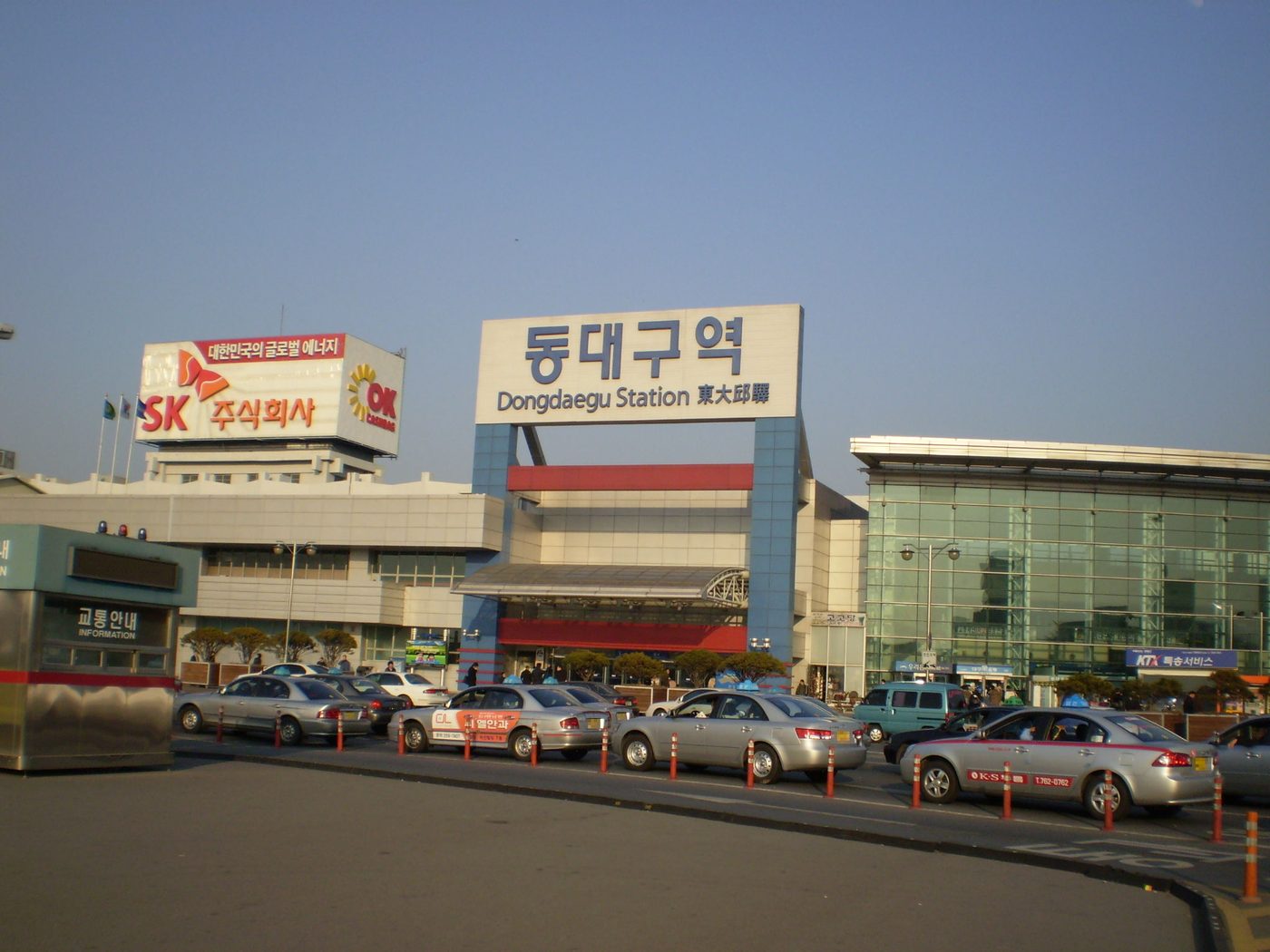
East Daegu Station (Dongdaegu) — the city's KTX terminal. Photo: Wikimedia Commons, Public Domain.
From Busan (50 minutes by KTX)
Busan to Dongdaegu is one of the shortest KTX hops in the country — under an hour and around ₩17,500. Even the slower Mugunghwa trains only take about 1 hour 20 minutes for ₩8,400. If you're already in Busan, there is genuinely no excuse not to add Daegu as a day trip or overnight.
From Gyeongju (45 minutes – 1 hour)
Singyeongju Station to Dongdaegu on the KTX takes about 20 minutes (₩10,600). By Mugunghwa from central Gyeongju Station, it's about 50 minutes (₩5,500). Express buses from the Gyeongju Express Bus Terminal run every 20–30 minutes and take about an hour (₩6,000). This proximity is why I recommend combining the two cities — more on that below.
Express Bus
Express buses from Seoul's Express Bus Terminal (Gangnam) to Dongdaegu take about 3.5 hours and cost ₩19,600–₩29,200 depending on class. Buses run every 15–30 minutes. Book at bustago.or.kr. It's slower than the KTX but roughly half the price — a solid budget option.
Getting Around Daegu
Daegu has a clean, efficient subway system with three lines that cover most tourist areas. Line 1 connects Dongdaegu Station to the central city, passing near Seomun Market and the modern alleys. A single ride costs ₩1,400 with a T-money card. You can also use your T-money card on buses (₩1,400 base fare with free transfers within 30 minutes).
For Apsan Park and Suseong Lake, you'll want to take a bus or taxi. Taxis are cheap in Daegu — a ride across the central city rarely exceeds ₩8,000. Use Naver Map for bus routes and real-time transit directions.
Seomun Market & the Night Market
Seomun Market (서문시장) is the oldest and largest traditional market in Daegu, and it has been operating in some form since the late Joseon Dynasty — we're talking over 350 years of continuous commerce. Today it's a sprawling complex of covered buildings, alleyways, and outdoor stalls selling everything from textiles and hanbok fabric to dried fish, produce, and the kind of street food that makes you reconsider your dinner plans.
The daytime market is the real working market — the one where local restaurant owners come to buy ingredients at 6am and ajummas haggle over dried anchovies by the kilogram. This is not a sanitized tourist version of a Korean market. It's loud, crowded, and occasionally confusing, and that's exactly why it's worth visiting. If you've been to Gwangjang Market in Seoul and enjoyed the energy, Seomun is that experience turned up a notch and minus 90% of the tourists.
What to Eat at Seomun Market (Daytime)
The daytime market has specific food alleys worth finding:
- Kalguksu (칼국수) — Handmade knife-cut noodle soup. Seomun Market is famous for it. The noodles are made fresh daily and the broth is anchovy-based, clean, and deeply savory. ₩6,000–₩8,000 per bowl. Several stalls on the second floor of Building 2 have been serving this for 30+ years.
- 납작만두 (Napjak mandu) — Daegu's signature dumpling, flat-pressed and pan-fried crispy. I'll cover these in detail in the food section, but the market is where they originated. ₩4,000–₩5,000 for a plate.
- Sujebi (수제비) — Hand-torn pasta soup, usually in a clam or anchovy broth. Simple and filling. ₩6,000–₩7,000.
- Sundae (순대) — Korean blood sausage, served with a plate of offal and salt. ₩5,000–₩7,000 for a mixed plate. If you're new to sundae, this is a good introduction — the market vendors don't overcomplicate it.
Seomun Night Market (서문야시장)
The night market is a different animal entirely. It sets up in the outdoor plaza area of the market complex every evening from around 6:30pm to 11:30pm (closed the first and third Sundays of each month). Over 80 stalls sell street food, and a small stage at one end hosts live performances — usually indie musicians, sometimes traditional Korean performers.
This is where the experience gets special. The night market crowd is overwhelmingly local — Korean families, groups of university students, couples on dates. The energy on a Friday or Saturday night feels like a neighborhood festival that happens to occur every single week. Stall vendors shout over each other, smoke billows from grills, and you'll hear K-pop competing with the live buskers for acoustic dominance.
Prices at the night market are almost comically low. Most items run ₩3,000–₩5,000. My recommended approach: don't plan, just walk the full loop before committing, then go back for whatever looked best. Some standouts:
- Tornado potato with cheese — A spiral-cut potato on a stick, deep-fried and dusted with cheese powder. ₩4,000. Ridiculous and perfect.
- Tteokbokki variations — The night market vendors get creative. You'll see cheese tteokbokki, garlic tteokbokki, and versions with seafood that don't exist in Seoul's street food scene. ₩4,000–₩5,000.
- Grilled meat skewers — Beef, pork belly, and chicken on sticks, charcoal-grilled to order. ₩3,000–₩5,000 each.
- Hotteok (호떡) — Sweet Korean pancakes filled with brown sugar and cinnamon. Daegu's version tends to be crispier and flatter than Seoul's. ₩2,000.
- Fried chicken bites — Korean fried chicken in snackable form. ₩5,000 for a cup.
Tip: Get there by 7pm on weekends if you want to actually navigate the aisles. By 8:30pm on a Saturday, the crowd is shoulder-to-shoulder. Weekday evenings are significantly more relaxed.
How to get there: Seomun Market Station on Line 3 (Exit 2) puts you right at the entrance. From Dongdaegu Station, it's about 15 minutes by subway or ₩5,000 by taxi.
Kim Gwangseok Street (김광석 다시 그리기 길)
Kim Gwangseok was a Korean folk-rock singer who grew up in Daegu and became one of the most beloved musicians in Korean history before dying at 31 in 1996. His songs — melancholic, guitar-driven ballads about love, loss, and ordinary life — are still instantly recognizable to virtually every Korean over the age of 30. Think of him as Korea's answer to someone like Elliott Smith or Nick Drake, except with mainstream popularity.
The street named after him is a 350-meter-long alley in the Bangcheon-dong neighborhood, where his childhood home stood. The walls are covered in murals depicting scenes from his life and lyrics from his songs. Speakers mounted along the street play his music on a continuous loop. On weekends, buskers set up along the route and perform covers of his songs — some are genuinely good, and there's something about hearing "Becoming Dust" live on an acoustic guitar, standing in the alley where the man who wrote it grew up, that hits different than a Spotify stream.
Even if you don't know Kim Gwangseok's music (and honestly, look him up before you go — "서른 즈음에" and "이등병의 편지" are good starting points), the street is worth visiting for the atmosphere alone. It's photogenic, intimate, and a glimpse into a side of Korean culture that the K-pop narrative completely misses. Korea has deep folk and indie music traditions, and this street is a quiet reminder of that.
At the end of the street, there's a small memorial park with a bronze statue of Kim playing guitar. Surrounding streets have cafes and small galleries worth poking into. The whole area takes about 30–45 minutes to walk through, longer if you stop to listen to the buskers.
How to get there: Walk from Bangogae Station (Line 2, Exit 3) — it's about a 10-minute walk. Or take a taxi from central Daegu for ₩4,000–₩6,000.
The Modern Alleys Walking Route (대구 근대골목)
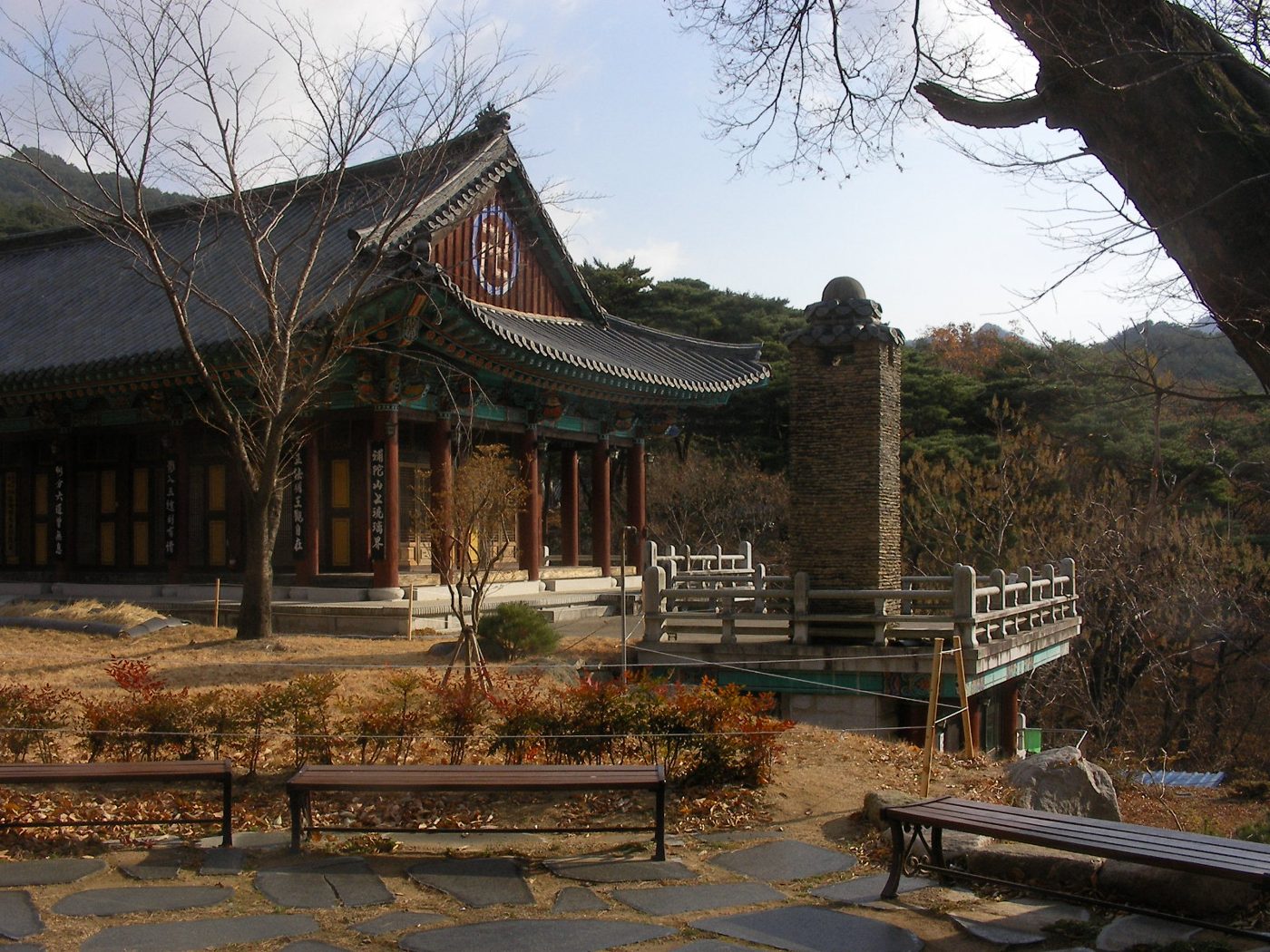
Daegu played a larger role in Korea's modern history than most visitors realize. During the Korean War, it was one of the few major cities that was never captured by North Korean forces — the Nakdong River defense line held just south of the city. Before that, during the Japanese colonial period, Daegu was a regional hub with foreign missionaries, colonial architecture, and some of Korea's earliest modern institutions. The "Modern Alleys" (근대골목) walking routes trace this layered history through the central city.
The Daegu Metropolitan Government has marked out five official routes, but Route 2 — the "Modern Culture Alley" — is the one most visitors walk and the one I recommend. It takes about 2–3 hours at a comfortable pace and covers roughly 1.6 kilometers of winding alleys in the Jung-gu (central district) neighborhood.
Route 2 Highlights
- Gyesan Cathedral (계산성당) — One of the earliest Catholic churches in Korea, built in 1902 in Romanesque style. The red-brick exterior is striking against the Korean cityscape, and the interior is genuinely beautiful. Free entry.
- Lee Sang-hwa House (이상화 고택) — The preserved home of poet Lee Sang-hwa, a key figure in Korean resistance literature during the Japanese occupation. Next door is the Seo Sang-don Memorial, honoring one of the leaders of the National Debt Repayment Movement. Entry ₩1,000.
- Jeil Church (제일교회) — A Protestant church dating to the 1890s, among the oldest in Korea. The current building is modern, but there's a small museum documenting the early missionary history.
- Medicinal Herb Market (약령시) — Daegu has been a center for traditional Korean medicine (한의학) since the Joseon Dynasty. This market has been operating since 1658 and still sells dried herbs, roots, and traditional remedies. Even if you're not buying, the smell alone is an experience — earthy, bitter, and ancient. There's a small museum (약령시한의약박물관) nearby that's free and surprisingly well-curated.
- Jinggolmok (진골목) — "The Real Alley," a narrow lane that was home to Daegu's wealthy elite during the Joseon period. Traditional hanok houses line both sides, some converted into cafes and craft shops.
The route is marked with numbered signposts and information boards (in Korean and English). You can follow it independently — grab a map from the tourist information center at Dongdaegu Station or use Naver Map to search for "대구 근대골목 2코스." The Daegu Metropolitan Government also offers free guided walks on weekends, though availability varies and advance registration is usually required.
How to start: Begin at Jungangno Station (Line 1, Exit 1) and walk toward Gyesan Cathedral. The route loops through the central alleys and ends near Yakjeon Golmok (the medicinal herb market street).
Best time: Morning or late afternoon. The alleys face east and west, so midday sun in summer is punishing — remember, this is "the cauldron." Spring and autumn are ideal.
Apsan Park & Cable Car (앞산공원)
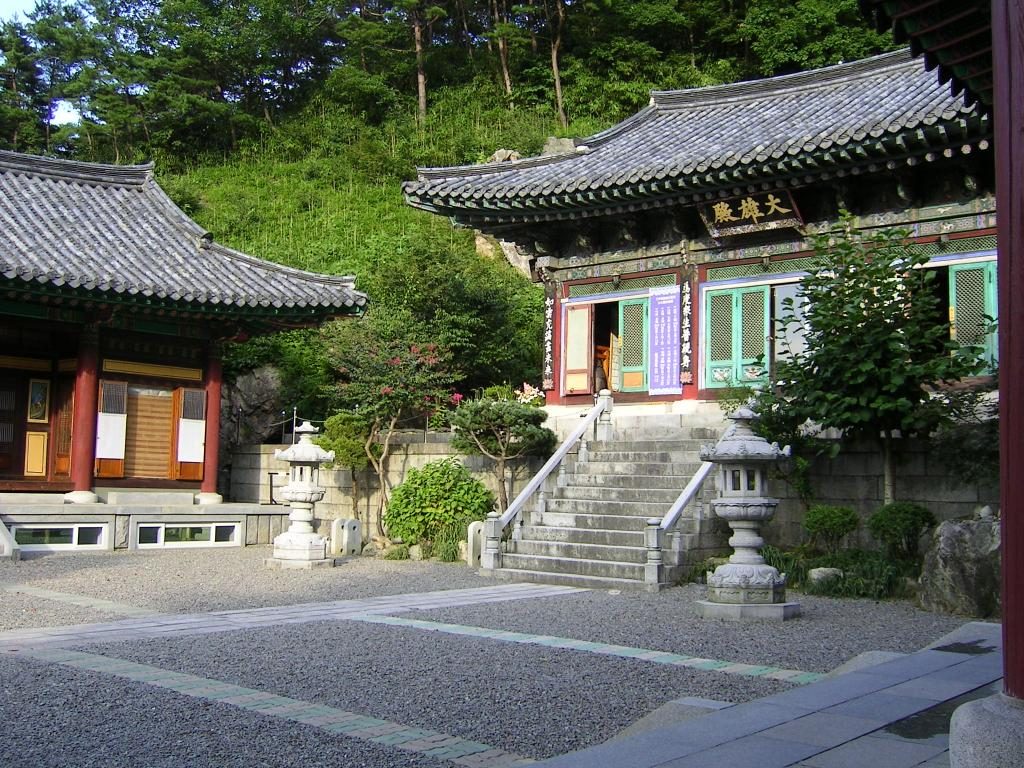
Apsan (앞산) means "front mountain," and that's exactly what it is — the mountain that sits directly south of Daegu's city center, rising 660 meters and forming a green wall along the city's southern edge. Apsan Park covers the lower slopes and foothills, and it's where Daegu residents go to escape the urban heat, hike, and — at the top — take in one of the best city panoramas in Korea.
The Cable Car
If you're not a serious hiker, the is the move. It runs from the base station in Apsan Park to a viewing platform near the summit. The ride takes about 5 minutes one way, and the views from the top are genuinely stunning — you can see the entire Daegu basin laid out below, ringed by mountains on every side. On clear days, you can spot the Nakdong River curving to the south.
- Round trip ticket: ₩12,000 adults, ₩8,000 children
- One way: ₩9,000 adults, ₩6,500 children
- Operating hours: 9:30am–6:00pm (last ascent 5:30pm). Hours extend to 7pm in summer.
From the upper cable car station, it's a 15-minute walk along a paved path to the main observation deck. There's also a cafe up top selling coffee and basic snacks. If you want to push further, hiking trails branch out from here toward the actual summit — add 30–40 minutes for the peak.
Hiking Options
For those who prefer to earn their views, several well-maintained trails lead from the park entrance to the summit. The most popular route takes about 1.5–2 hours up and is moderate difficulty — steep in places but nothing technical. Most Koreans hike Apsan in running shoes and come down to a post-hike meal at one of the restaurants near the park entrance.
A popular strategy: hike up, cable car down (buy a one-way ticket at the top). Your knees will thank you.
How to get there: Bus 410 from Jungangno (central Daegu) stops at the Apsan Park entrance. The ride takes about 25 minutes. A taxi from Dongdaegu Station costs ₩10,000–₩12,000. There's no direct subway connection — the nearest station is Anjirang on Line 1, but it's still a 15-minute bus ride or ₩5,000 taxi from there.
Tip: Go late afternoon for the best light and the chance to see sunset over the basin. The cable car's last ascent time means you need to time it carefully in winter months.
Suseong Lake (수성못)
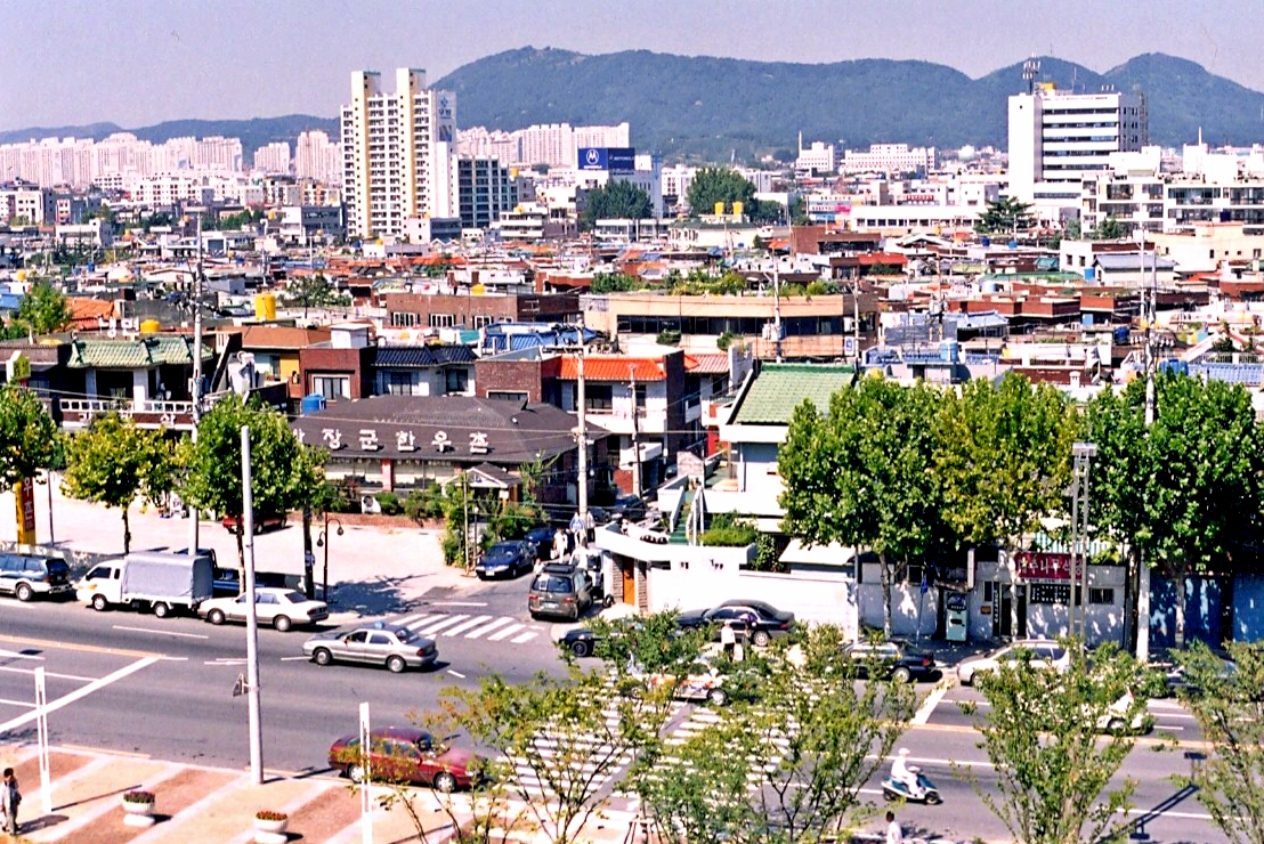
Suseong Lake is Daegu's version of a city park — a man-made reservoir in the southeastern part of the city that's been the go-to relaxation spot for Daegu residents since the 1940s. It's not a major tourist attraction in the way that Seomun Market or Apsan is, but it's a genuinely pleasant place to spend an hour or two, especially in the evening.
The lake is ringed by a 2-kilometer walking path lined with cherry blossoms (spectacular in early April), willow trees, and benches. In the evenings from April through October, a musical fountain show runs on the lake — choreographed water jets set to music with colored lights. It's free, it's cheesy, and it's oddly enjoyable. Shows typically run at 8pm and 9pm, with additional shows on weekends.
The real draw is the cafe culture around the lake. The streets surrounding Suseong Lake have developed into one of Daegu's trendiest cafe districts, with rooftop coffee shops, dessert spots, and restaurants with lake-view terraces. If you're looking for a chill afternoon after a morning of market exploration and alley walking, this is where to decompress.
On summer evenings, locals set up along the waterfront with fried chicken, beer, and portable speakers — classic Korean "치맥" (chimaek) culture. It's one of the most authentically Korean scenes you'll stumble into, and nobody will think twice if you join in.
How to get there: Suseongmot (Suseong Lake) Station on Line 3 (Exit 5) — the lake is a 3-minute walk from the station. Easy.
The Daegu Food Guide
Daegu has one of the most distinctive food identities of any Korean city, and most of it traces back to the city's geography. Sitting in a mountain basin means summers are brutally hot, which historically meant locals needed food that was either cooling enough to cope or bold enough to make you sweat through it. The result is a collection of dishes that are aggressively flavorful — more intestine, more spice, more char than the gentler flavors of Seoul.
If you care about Korean BBQ and Korean street food, Daegu should be on your radar. Here are the essential eats.
Makchang (막창) — Daegu's Signature BBQ
Makchang is grilled pork or beef intestine — specifically the abomasum (fourth stomach lining) in the case of beef, or the large intestine for pork. Before you scroll past this: makchang is one of the most popular BBQ meats in Korea, and Daegu is where to eat it. The city has entire streets dedicated to it.
The texture is chewy with a slight crispness when grilled properly. The flavor is rich, slightly gamey, and deeply satisfying — especially when dipped in the salt-and-pepper sesame oil sauce that comes standard. Makchang is always grilled over charcoal at your table, and the fat renders out during cooking, so the final product is much less heavy than you'd expect from intestine.
The ritual: grill the makchang until the edges are charred and crispy (the restaurant staff will often manage the grill for you — let them). Wrap a piece in a perilla leaf with a slice of raw garlic, a dab of ssamjang, and a slice of green chili. Chase it with a shot of soju. Repeat until the plate is empty. Then order more.
- Where: Anjirang Gopchang Alley (안지랑곱창골목) is the most famous concentration — an entire street of makchang restaurants near Anjirang Station on Line 1. Dozens of restaurants compete for your attention. The competition keeps quality high and prices reasonable.
- Price: ₩13,000–₩18,000 per serving of pork makchang, ₩18,000–₩25,000 for beef. Most people order 2–3 servings to share between two people.
- Tip: Go in the evening — makchang is a nighttime food in Daegu, and the alley comes alive after 7pm. Many restaurants stay open until midnight or later.
Napjak Mandu (납작만두) — Flat-Pressed Dumplings
Napjak means "flat" and mandu means "dumpling." Put them together and you get Daegu's answer to the question nobody asked but should have: what if dumplings were smashed flat on a hot griddle and fried until both sides are shatteringly crispy?
Standard Korean mandu are plump and steamed or boiled. Napjak mandu are flat, golden, and crunchy, with a thin layer of pork and vegetable filling inside. Think of a cross between a Chinese potsticker and a Korean pajeon (scallion pancake). They're dipped in soy-vinegar sauce and eaten as a snack or side dish.
Seomun Market is the birthplace of napjak mandu, and the stalls in the market's food alleys still make them the traditional way — hand-pressed and fried to order on massive flat griddles. A plate costs ₩4,000–₩5,000 and contains 8–10 pieces. They're best eaten immediately while the exterior is still crackling.
Ttaro Gukbap (따로국밥) — Daegu-Style Soup and Rice
Gukbap (국밥) — soup with rice — is served all over Korea. But in most cities, the rice comes already submerged in the soup. Daegu does it differently: "ttaro" means "separately." The rice arrives in its own bowl, and the beef bone soup comes in another. You add the rice to the soup yourself, a spoonful at a time, or eat them alongside each other.
It sounds like a trivial distinction, but it changes the eating experience completely. The rice stays firm instead of turning to mush. You control the ratio. And the soup itself — a clear, deeply beefy broth with sliced brisket and green onions — stays clean-tasting throughout the meal instead of becoming starchy.
Ttaro gukbap restaurants are scattered throughout the city, many of them multi-generational operations that open at dawn and close when the broth runs out. A bowl costs ₩8,000–₩10,000 and it's one of the most satisfying breakfasts or lunches in Korea. Several well-known spots cluster near Dongdaegu Station and in the Jung-gu (central) area.
Seomun Market Street Food
Beyond the night market (covered above), the daytime Seomun Market has food that deserves its own mention. The market food is working-class Korean eating at its best — big portions, low prices, zero pretension.
- Kalguksu (칼국수) — Knife-cut noodle soup, ₩6,000–₩8,000. Seomun's specialty. The noodles have a chew that machine-made versions can't replicate.
- Bibim kalguksu (비빔칼국수) — The cold, spicy version. Mixed with gochujang sauce, perfect for Daegu's hot summers. ₩7,000.
- Jeon (전) — Various Korean pancakes: bindaetteok (mung bean), haemul pajeon (seafood scallion), and buchujeon (chive). ₩5,000–₩8,000 each.
- Sundae guk (순대국) — Blood sausage soup, a hearty bowl of offal, noodles, and sundae in a milky pork bone broth. ₩7,000–₩8,000.
Other Daegu Eats Worth Knowing
- Maeuntang (매운탕) — Spicy fish stew. Daegu's version tends to be hotter than what you'll find elsewhere, consistent with the city's preference for aggressive spice levels.
- Jjimdak (찜닭) — Braised chicken with glass noodles, soy sauce, and vegetables. While Andong (2 hours north) claims credit for inventing it, Daegu's restaurants serve excellent versions. ₩25,000–₩35,000 for a pot that feeds 2–3 people.
- Chimaek (치맥) — Fried chicken and beer. Daegu hosts the annual Chimac Festival every summer, which is exactly what it sounds like: a citywide celebration of fried chicken and draft beer. If you're visiting in July, look it up.
Combining Daegu with Gyeongju
Daegu and Gyeongju are 45 minutes apart by KTX and about an hour by bus, making them one of the easiest and most rewarding city pairings in Korea. They also complement each other perfectly: Daegu is urban energy and food culture; Gyeongju is ancient history and temple scenery. Together, they give you a side of Korea that's completely different from the Seoul-Busan corridor most tourists stick to.
Recommended 3-Night Itinerary: Daegu + Gyeongju
Night 1–2: Daegu
- Arrive via KTX from Seoul or Busan. Drop bags at hotel near Dongdaegu Station or Jung-gu.
- Day 1: Modern Alleys Route 2 in the morning → Seomun Market for lunch → Kim Gwangseok Street in the afternoon → Anjirang makchang alley for dinner.
- Day 2: Apsan Park and cable car in the morning → Suseong Lake for a cafe afternoon → Seomun Night Market in the evening.
Night 3: Gyeongju
- Morning KTX to Singyeongju (20 minutes). Check into a guesthouse on Hwangnidan-gil.
- Tumuli Park and Cheomseongdae → Hwangnidan-gil cafes and lunch → Bulguksa Temple in the afternoon → Wolji Pond at night (it's illuminated and stunning after dark).
- Depart the next morning for Busan (30 minutes by KTX from Singyeongju) or back to Seoul.
This routing works in either direction. If you're coming from Busan, reverse it: Gyeongju first, then Daegu, then KTX back to Seoul. The total additional travel time compared to going directly from Seoul to Busan is only about 2 hours, and you gain two cities that most tourists never see.
For the complete Gyeongju breakdown — where to stay, full food guide, UNESCO trail details — see the Gyeongju travel guide.
Practical Tips
Where to Stay
For most visitors, staying near Dongdaegu Station is the most convenient option. It puts you on the subway system with direct access to Seomun Market and the central attractions, and it's where you'll arrive and depart by KTX. Budget hotels and guesthouses run ₩35,000–₩60,000/night. Mid-range options (business hotels, boutique stays) go for ₩70,000–₩120,000.
If you prefer a trendier neighborhood, the Jung-gu / Jungangno area near the modern alleys has a growing selection of boutique accommodations and hanok-style guesthouses. It's walkable to most central attractions and has the best restaurant density.
For a lakeside evening vibe, Suseong Lake has a few hotels and Airbnb options with lake proximity, though it's less convenient for the main sights.
When to Visit
Daegu's climate is famously extreme for Korea. Summers (July–August) regularly hit 35–38°C, making it the hottest major city in the country. If you visit in summer, plan outdoor activities for early morning or evening and embrace the air conditioning.
Best months: April–May (spring, cherry blossoms at Suseong Lake) and September–October (autumn, comfortable temperatures, clear skies). These are also the best months for the modern alleys walk and Apsan Park hiking.
Winter (December–February): Cold but manageable (around -5°C to 5°C). Markets and indoor attractions are fine year-round, and makchang actually tastes even better in the cold.
How Much Time
One full day is enough to hit the highlights: Seomun Market, one or two alleys, and a makchang dinner. Two days lets you add Apsan, Suseong Lake, and more eating. If combining with Gyeongju, two nights in Daegu plus one in Gyeongju is the sweet spot.
Language
English is less widely spoken in Daegu than in Seoul or Busan's tourist zones. In markets and older restaurants, expect minimal English — but Naver Map and Papago (Naver's translation app) will get you through. Menu pointing and the Korean phrases for "this one please" (이거 주세요, igeo juseyo) and "delicious" (맛있어요, mashisseoyo) will cover most food situations.
Money
Daegu is slightly more cash-dependent than Seoul. Markets and older restaurants may not accept cards, so carry ₩50,000–₩100,000 in cash for a full day of market eating. Convenience stores, subway, and larger restaurants accept cards and T-money without issue.
T-money Card
Works on all Daegu buses, subway, and taxis just like in Seoul. If you already have a T-money card from Seoul, it works here. If you need one, buy it at any convenience store for ₩2,500 and load cash onto it at the store or at subway station machines.
Daegu Restaurant Directories
Browse our complete directories with Naver Map links for real photos, menus, and current prices:
FAQ
Is Daegu worth visiting, or should I just go to Busan?
Both, ideally. They're only 50 minutes apart by KTX. But they're completely different experiences. Busan is beaches, seafood, and coastal scenery. Daegu is markets, BBQ, and urban Korean culture without the tourist polish. If you have to choose one, Busan has more to fill 3+ days. But if you have even one spare night on your Korea itinerary, adding Daegu is the highest-value side trip you can make — the food alone is worth the detour.
Can I do Daegu as a day trip from Seoul or Busan?
From Busan, absolutely. The 50-minute KTX makes it an easy day trip — arrive by 10am, walk the alleys, eat through Seomun Market, and catch a late afternoon train back. From Seoul, it's technically possible (1 hour 40 minutes each way), but it's a lot of train time for one day. I'd recommend at least one overnight to do Daegu justice and to experience the night market or Anjirang makchang alley, which are evening activities.
What's the best area in Daegu for food?
There's no single answer because the food is spread across specific districts. Seomun Market for daytime street food and kalguksu. Anjirang Gopchang Alley for makchang BBQ in the evening. The Jung-gu area near the modern alleys for traditional restaurants serving ttaro gukbap and jjimdak. And the Seomun Night Market for the broadest variety of street food in one place. You'll probably eat in all of these areas over a 1–2 day visit.
Is Daegu safe for solo travelers?
Extremely safe, like virtually all of Korea. Daegu has less of an international tourist infrastructure than Seoul or Busan, which means you might feel more "on your own" in terms of English signage and English-speaking staff, but safety is not a concern. The night market, Anjirang alley, and Suseong Lake area are all lively and well-lit late into the evening. Standard travel sense applies — keep your phone charged for navigation and have your accommodation address saved in Korean for taxi drivers.