Where to Stay for the Seoul Lantern Festival 2026 (Cheonggyecheon Guide)
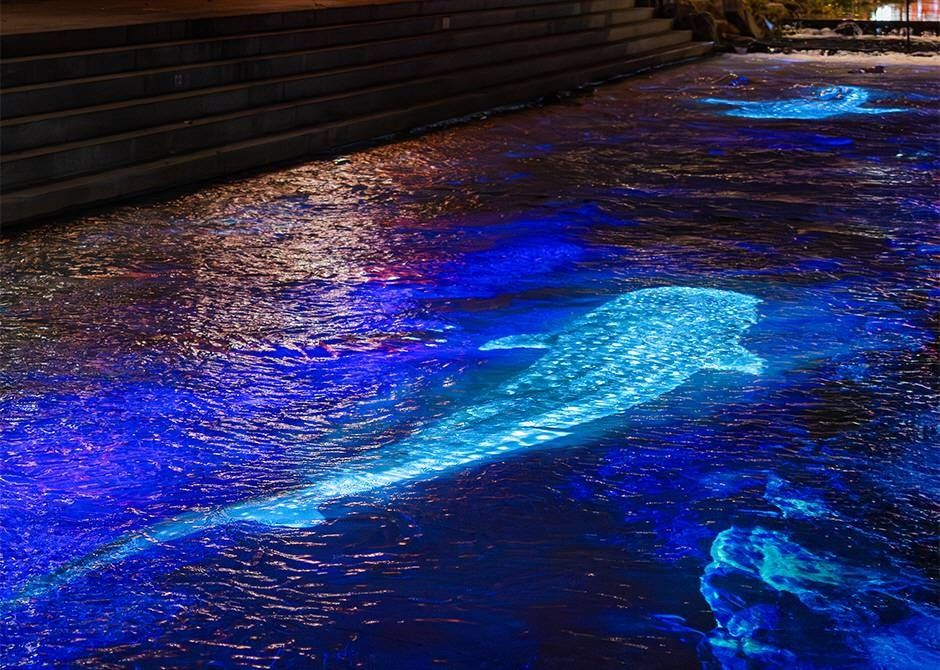
The Seoul Lantern Festival transforms Cheonggyecheon Stream into one of the most beautiful sights in Korea — thousands of hand-crafted illuminated lantern installations stretching along the stream from Cheonggye Plaza toward Supyo Bridge, lit every evening for two weeks in November. Staying in the right neighbourhood means you can walk to the lanterns and back without worrying about the subway, and you are positioned for the crowds that build up on weekends. This guide tells you where to base yourself, how far each area is from Cheonggyecheon, and how to book in English.
This guide covers where to base yourself first, then how to get there and how to book it.
Quick Answer: Where to Stay for the Seoul Lantern Festival
- Best area: Jongno / Insadong — 5–15 min walk to the western end of Cheonggyecheon, closest overall position, traditional neighbourhood atmosphere
- Most hotel options: Myeongdong — 15 min walk to the stream, widest range of international hotels at all price points
- Less crowded access: Dongdaemun — near the eastern end of the lantern display, easier entry and exit on busy nights
- Business traveller pick: Euljiro / CBD — corporate hotels walking distance from the stream's mid-section, suits work + festival combo trips
- How to book in English: Trip.com has strong coverage across all four areas. Booking.com is the alternative, especially for Jongno guesthouses and boutique properties.
- Festival dates: November 2026 — typically runs for 2 weeks; official dates from Seoul City in September 2026
- Book now: Seoul has a large hotel inventory, but festival weekends (especially the opening and closing weekends) see demand spike — book 3–4 weeks ahead minimum
- Getting there: Subway lines 1, 2, and 5 all stop within walking distance of Cheonggyecheon — no car needed
- Prices checked: May 2026
Best Areas to Stay (Compared)
| Area | Distance to Festival | Price Range | English Booking | Best For |
|---|---|---|---|---|
| Jongno / Insadong | 5–15 min walk to stream | about ₩70,000–180,000/night | Good — Trip.com, Booking.com | Closest position, traditional Seoul atmosphere |
| Myeongdong | ~15 min walk to stream | about ₩80,000–250,000/night | Excellent — all major platforms | Widest hotel range, shopping and dining |
| Dongdaemun | 10–20 min walk to eastern end | about ₩65,000–160,000/night | Good — Trip.com, Booking.com | Less crowded stream access, night market nearby |
| Euljiro / CBD | 5–15 min walk to mid-section | about ₩90,000–220,000/night | Excellent — major chains | Business travellers, corporate hotels |
What the table does not show: Cheonggyecheon is a linear venue — the lantern display runs from Cheonggye Plaza (western end, nearest Gwanghwamun) to Supyo Bridge and beyond. The western end near Jongno draws the biggest crowds, especially on weekends and the opening night. Staying in Jongno or Euljiro puts you closest to the most photographed installations. Dongdaemun access at the eastern end is genuinely calmer — the crowds thin out the further east you walk. If you want to see the lanterns without navigating a thick weekend crowd, enter from the Dongdaemun side and walk west.
Book Hotels Near the Seoul Lantern Festival
Area-by-Area Guide
Jongno / Insadong: Closest to the Festival and Best Position
Jongno is the historic heart of old Seoul — the broad avenue running east–west just north of Cheonggyecheon, lined with Joseon-era palace gates, traditional tea houses, and the dense alleyways of Insadong and Bukchon. Staying here puts you 5 to 15 minutes on foot from Cheonggye Plaza, the western entry point for the lantern display and the most densely decorated stretch of the stream. Insadong's guesthouses and boutique hotels are particularly popular for this festival because the neighbourhood's own lantern-lit streets complement the Cheonggyecheon atmosphere on festival nights.
Pros:
- Closest walking distance to the main lantern display — 5 to 15 min on foot depending on where in Jongno you are based
- Traditional Seoul neighbourhood feel — Insadong's craft shops, tea houses, and street food create a festival-aligned atmosphere even before you reach Cheonggyecheon
- Gyeongbokgung Palace, Bukchon Hanok Village, and Changdeokgung Palace all within easy walking distance — good for daytime sightseeing during the festival period
- Gwanghwamun Square is minutes away — a major additional landmark illuminated during November
Cons:
- Smaller and pricier per square metre than Myeongdong hotels for equivalent quality
- Some guesthouses in the older Insadong alleys require navigating narrow lanes — can be tricky with luggage at night
- Fewer large-brand international hotels; mostly mid-range Korean hotels, guesthouses, and small boutique properties
Search Jongno and Insadong accommodation on Trip.com, or compare on Booking.com — use the map view and filter for properties near Insadong-gil or Gwanghwamun.
Myeongdong: Widest Hotel Range with Easy Festival Access
Myeongdong is Seoul's most internationally hotel-dense neighbourhood — the highest concentration of recognisable brands (Lotte, Westin, Novotel, Ibis, Holiday Inn, and dozens of Korean chains) within a compact grid south of Cheonggyecheon. From most Myeongdong hotels, the stream is a 15-minute flat walk north across the CBD. The neighbourhood is busy, neon-lit, and loud — suited to travellers who want central Seoul with maximum booking flexibility rather than a quiet traditional atmosphere.
Pros:
- Widest range of hotels in Seoul at every price point — from budget guesthouses to five-star towers
- International hotel brands with English check-in, foreign card acceptance, and concierge services fluent in English
- Myeongdong's own street food market runs into the evening — good for dinner before walking to the lanterns
- Excellent subway access (Myeongdong Station, Line 4) connects you to anywhere in Seoul
- N Seoul Tower cable car departure and Namdaemun Market both walkable
Cons:
- Busy and commercial — not a quiet neighbourhood, and festival week adds more crowds to an already crowded area
- 15-min walk to Cheonggyecheon is fine on a clear November night; less appealing in rain
- Some Myeongdong hotels trade on location and charge more than comparable quality in Euljiro or Dongdaemun
Search Myeongdong hotels on Trip.com — use the map view and filter by Myeongdong or Jung-gu. Also compare on Booking.com.
Dongdaemun: Eastern Access with Less Festival Crowd
Dongdaemun sits at the eastern end of the Cheonggyecheon lantern display — the further-east installations are less dense but also less crowded, and Dongdaemun gives you a calmer entry point to the festival. The area is best known for its 24-hour fashion markets (Dongdaemun Design Plaza, Doota Mall) and late-night street food. Hotels here are generally a notch cheaper than Myeongdong for equivalent quality. If you plan to visit the lanterns more than once during the festival, staying in Dongdaemun lets you pick off-peak times easily — walk in on a Tuesday evening rather than a Saturday and the difference in crowd density is significant.
Pros:
- Less crowded access to the eastern end of the lantern display — avoids the thickest Jongno weekend crowds
- Generally lower hotel prices than Myeongdong for comparable quality
- Dongdaemun Design Plaza (DDP) is itself a spectacular illuminated landmark in November — within easy walking distance
- Excellent late-night food and 24-hour shopping if that interests you
Cons:
- The most celebrated western installations (near Cheonggye Plaza) require a 20–30 min walk or one subway stop from here
- The area has a more commercial, less traditional feel than Jongno or Insadong
- Slightly further from main tourist sights like Gyeongbokgung and Bukchon
Search Dongdaemun accommodation on Trip.com, or compare on Booking.com.
Euljiro / CBD: Business Hotels Walking Distance from the Mid-Stream
Euljiro runs parallel to and just south of Cheonggyecheon, making it one of the most geographically convenient areas for the festival — many hotels here are a 5 to 10 minute walk from the stream's mid-section. The area is dominated by corporate hotels and serviced apartments catering to business travellers, which means good room quality and facilities but a less atmospheric neighbourhood outside of business hours. This is the right choice if you are combining a work trip to Seoul with the festival, or if you want clean, well-maintained accommodation with direct walking access and do not need a buzzing neighbourhood scene.
Pros:
- Shortest walking distance to the mid-section of Cheonggyecheon — some hotels are genuinely 5 minutes from the stream
- Business hotel quality standards — reliable facilities, English-speaking front desks, foreign card acceptance
- Euljiro's own emerging café and bar scene (around Euljiro 3-ga) has become a Seoul highlight in recent years
Cons:
- Less vibrant neighbourhood feel than Jongno, Insadong, or Myeongdong
- Corporate pricing can be higher than guesthouses in Jongno for the same budget
Search Euljiro and CBD hotels on Trip.com — filter by Jung-gu on the map view. Also compare on Booking.com.
How to Get to Cheonggyecheon from Anywhere in Seoul
Cheonggyecheon Stream is in the geographic centre of Seoul, accessible from multiple subway lines. You do not need a car or taxi — the subway and walking are the best options.
Key subway stations near Cheonggyecheon:
- Gwanghwamun Station (Line 5) — Exit 5 brings you to Cheonggye Plaza, the western festival entrance. This is the closest station to the main lantern display start point.
- Euljiro 1-ga Station (Lines 2 and 1, City Hall area) — 10 min walk to the stream's western section through the CBD
- Euljiro 3-ga Station (Lines 2 and 3) — Access to the mid-stream section, near Supyo Bridge
- Dongdaemun Station (Lines 1 and 4) and Dongdaemun History & Culture Park (Lines 2, 4, and 5) — eastern end of the lantern display
From Myeongdong: Take subway Line 4 one stop north to Euljiro 1-ga, or walk north across the CBD — about 15 minutes on foot.
From Jongno: Walk south — most Jongno and Insadong accommodation is within 5 to 15 minutes on foot of the stream's western section.
From further afield: Cheonggyecheon is within one subway ride from virtually every neighbourhood in Seoul. From Hongdae, take Line 2 to City Hall and walk north. From Itaewon, take Line 6 to Euljiro 3-ga area. From Gangnam, take Line 2 to Euljiro 1-ga (direct). Journey times from most central Seoul neighbourhoods are under 30 minutes door to stream.
Timing note: The lanterns are best seen from dusk onwards. Arrive by 6pm on weekdays for a calm experience; by 5pm on weekends during the festival to avoid the peak crowd. The western Cheonggye Plaza end fills fastest. Consider entering from the Dongdaemun end on busy nights and walking west — you see the full display in the order of thickening atmosphere.
How to Book Accommodation in English
Seoul has a large hotel inventory and the areas near Cheonggyecheon are well covered on English-language platforms. Here is the process:
- Go to Trip.com and search Seoul, Korea
- Switch to the map view and zoom to Cheonggyecheon Stream — look for properties in Jongno, Insadong, Myeongdong, or the Euljiro corridor
- Filter by Free cancellation — useful since official 2026 festival dates are typically confirmed in September; protecting your booking gives flexibility if you want to time your stay around the opening or closing weekend
- Check that the property accepts foreign cards — most on Trip.com do, but verify the payment screen
- If Jongno is thin, run the same search on Booking.com — it has strong coverage for smaller Jongno guesthouses and boutique properties
- If you want full-service hotel facilities (gym, 24h front desk, concierge), focus on Myeongdong or Euljiro on either platform
Note on guesthouses: Jongno and Insadong have a number of traditional-style guesthouses (hanok guesthouses and smaller inns) that do not always appear on Korean domestic platforms first. Trip.com and Booking.com both list many of these with English-language checkout — useful if you want the atmosphere of a traditional property without the complexity of booking via a Korean-only platform.
About the Seoul Lantern Festival
The Seoul Lantern Festival (서울빛초롱축제) is an annual autumn festival held along Cheonggyecheon Stream (청계천) in central Seoul. First held in 2009, it has grown into one of Seoul's most popular public events — attended by over a million visitors across its two-week run in November. The festival features hundreds of large-scale lantern installations, many created by artists and schools across Seoul, as well as traditional lotus lanterns, themed sections, and interactive light displays.
- Location: Cheonggyecheon Stream, from Cheonggye Plaza (Gwanghwamun end) to Supyo Bridge, Jongno-gu and Jung-gu, Seoul
- Festival duration: Approximately 2 weeks in November 2026
- 2026 dates: TBC — official dates from Seoul City in September 2026; historically runs mid-to-late November
- Hours: Lanterns are lit from dusk to approximately 11pm daily
- Entry: Free — no tickets required to walk along Cheonggyecheon and view the lanterns
- Other events: Lantern-making workshops, traditional performances, photo competitions, themed installation sections (historical, cultural, seasonal)
- Official source: Seoul Tourism Organisation (visitseoul.net) and Seoul Metropolitan Government
Tip: The Seoul Lantern Festival runs for two full weeks — you do not need to fight the opening weekend crowd. Visiting on a Monday or Tuesday evening during the second week gives you the same lanterns with significantly fewer people. If you do visit on a weekend, arrive before 6pm to claim a walking position before the stream path fills. The full walk from Cheonggye Plaza to Supyo Bridge and back is about 2–3 km and takes 1.5 to 2 hours at a comfortable pace with stops for photos.
For a full overview of the festival program, lantern themes, and what to expect, see our Seoul Lantern Festival guide.
Tips for Festival Accommodation
Book 3–4 weeks ahead for festival weekends. Seoul has a large hotel inventory compared to smaller Korean cities, but the opening and closing weekends of the Lantern Festival draw significant domestic and international visitor numbers. Jongno and Insadong guesthouses sell out faster than Myeongdong hotels. If you have flexibility on dates, midweek stays are easier to book and offer a calmer festival experience.
November weather: pack for cold evenings. Seoul in November ranges from about 5–15°C. Evening lantern viewing along Cheonggyecheon — which runs through a below-street-level channel with cool air off the water — feels significantly colder than the daytime temperature suggests. A warm jacket is essential for comfortable viewing. Hotels near the stream in Jongno and Euljiro let you duck back quickly if it gets too cold.
Stay at least two nights to see the festival properly. The two-week festival duration means there is no single peak night in the way a one-day fireworks festival has. Two nights gives you one evening to arrive and walk the full stream at your own pace, and a second to revisit favourite sections or catch anything you missed. The festival changes slightly night to night in terms of crowd density and which areas are best lit.
Combine with Gyeongbokgung Night Opening. Seoul often runs Gyeongbokgung Palace night opening events in October and November — if they overlap with the Lantern Festival dates, staying in Jongno puts you perfectly placed for both. Check the Cultural Heritage Administration of Korea website for the palace night opening schedule.
Myeongdong for late-night food after the lanterns. After walking Cheonggyecheon, Myeongdong's street food market — a short walk south — is one of the best late-night eating options in central Seoul. Tteokbokki, hotteok, Korean fried chicken, and international food stalls run until midnight or later during November.
FAQ
Is the Seoul Lantern Festival free to attend?
Yes — walking along Cheonggyecheon and viewing all the lantern installations is entirely free. No tickets, no registration. Some of the accompanying workshops or seated performance events within the festival grounds may have a small fee. The stream is public space and the lanterns are accessible to anyone during festival hours (dusk to ~11pm).
What is the best neighbourhood to stay in for the Seoul Lantern Festival?
Jongno or Insadong for the closest walk to the main display and the most atmospheric neighbourhood. Myeongdong if you want the widest range of hotels and do not mind a 15-minute walk. Euljiro if you want business hotel quality with direct access to the stream's mid-section. Dongdaemun if you want to avoid the western crowds and access from the calmer eastern end.
Can I visit the Seoul Lantern Festival without staying in Seoul?
Yes — Seoul is well connected by KTX from Busan (~2.5 hours), Daegu (~1.5 hours), Daejeon (~50 minutes), and Gyeongju (~2 hours). A day trip from any of these cities is feasible for a single evening lantern visit. That said, the festival runs for two weeks, and an overnight stay lets you visit on two evenings and see more of central Seoul at a relaxed pace.
When exactly are the 2026 Seoul Lantern Festival dates?
Official 2026 dates will be announced by Seoul City in September 2026. The festival historically runs for approximately two weeks in mid-to-late November — the 2025 edition ran from 31 October to 9 November; the exact timing shifts slightly year to year. If you are booking accommodation well ahead, use free-cancellation rates until the official dates are confirmed, then adjust your check-in and check-out to frame the opening or closing weekend.
Are there English-friendly hotels in Jongno?
Yes. Jongno has a range of guesthouses and smaller hotels listed on Trip.com and Booking.com with English interfaces and foreign card acceptance. The neighbourhood has fewer large international chain hotels than Myeongdong, but the independent properties in Insadong and central Jongno are generally tourist-friendly. Larger international brands are in Myeongdong and the CBD if you require guaranteed English-language service standards.
What else is there to do in Seoul during November besides the Lantern Festival?
November is one of Seoul's best months for tourism. Autumn foliage peaks in early-to-mid November — Bukhansan National Park, Namsan, and the palace gardens are particularly good. Gyeongbokgung and Changdeokgung palaces often run night opening events in November. Insadong's craft galleries and Bukchon's hanok alleys are worth a morning. See our Seoul travel guide and things to do in Seoul in November for a full breakdown.
Our Recommendation
For the best overall experience: Stay in Jongno or Insadong. The 5 to 15 minute walk to Cheonggyecheon means you can visit the lanterns casually — evening stroll before dinner, late-night walk after — without it being a transport event. The traditional neighbourhood atmosphere of Insadong and the proximity to Gyeongbokgung Palace make for the most satisfying Seoul stay alongside the festival. Search available rooms on Trip.com, or check Booking.com for Jongno guesthouses and boutique properties.
If you want more hotel options or a recognisable brand: Myeongdong is the right call. It has the widest range, the most competitive pricing across budget tiers, and the easiest last-minute availability. The 15-minute walk to the stream is manageable. Search on Trip.com — Myeongdong has some of the best-reviewed mid-range hotels in Seoul.
If you want to avoid the crowds: Base in Dongdaemun and enter the lantern display from the eastern end. You see the full installation in reverse — from quieter to busier — and can exit before the western Jongno crowd peaks. Dongdaemun also has the advantage of the nearby DDP light installation and late-night food markets for a complete evening out.
Book Your Seoul Lantern Festival Stay
This article contains affiliate links to Trip.com and Booking.com (via Awin). If you book through these links, Korea Insider may earn a small commission at no extra cost to you. We only link to platforms that offer English checkout and accept foreign payment cards.
Planning more of your Korea trip? See our Korea Festival Calendar for the full year of major festivals across the country.