Best Korean Cooking Classes in Seoul (2026)
If you look at the top-rated experiences in Seoul on any booking platform — Klook, GetYourGuide, Viator — cooking classes dominate the list. Not palace tours. Not K-pop dance studios. Cooking classes. And once you've done one, you'll understand why.
The format is simple: you show up, an instructor walks you through 3-4 Korean dishes step by step, you cook everything yourself, and then you sit down and eat what you made. The whole thing takes 2-3 hours. You leave with a full stomach and recipes you can actually replicate at home (assuming you can find gochugaru at your local Asian supermarket).
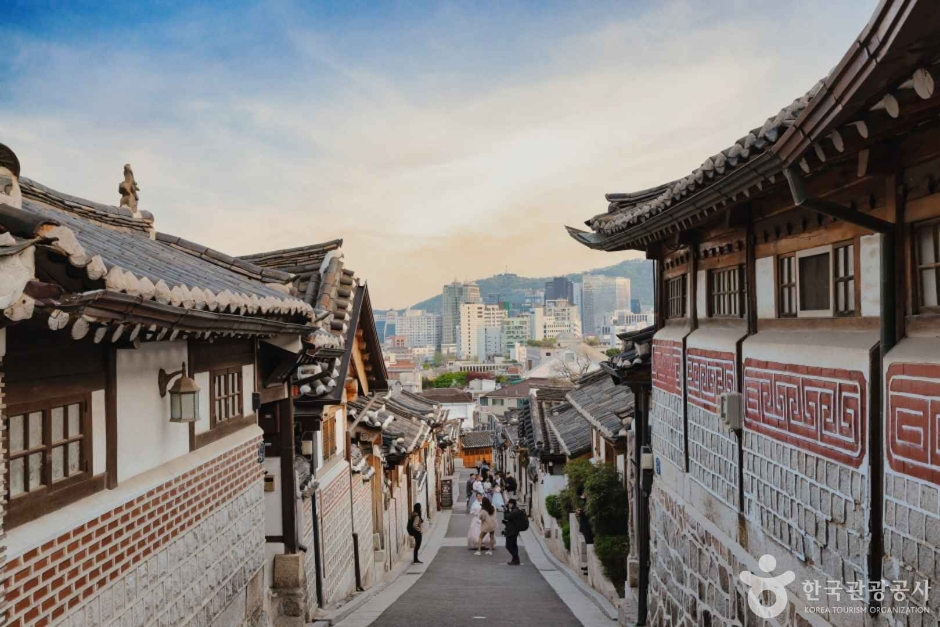
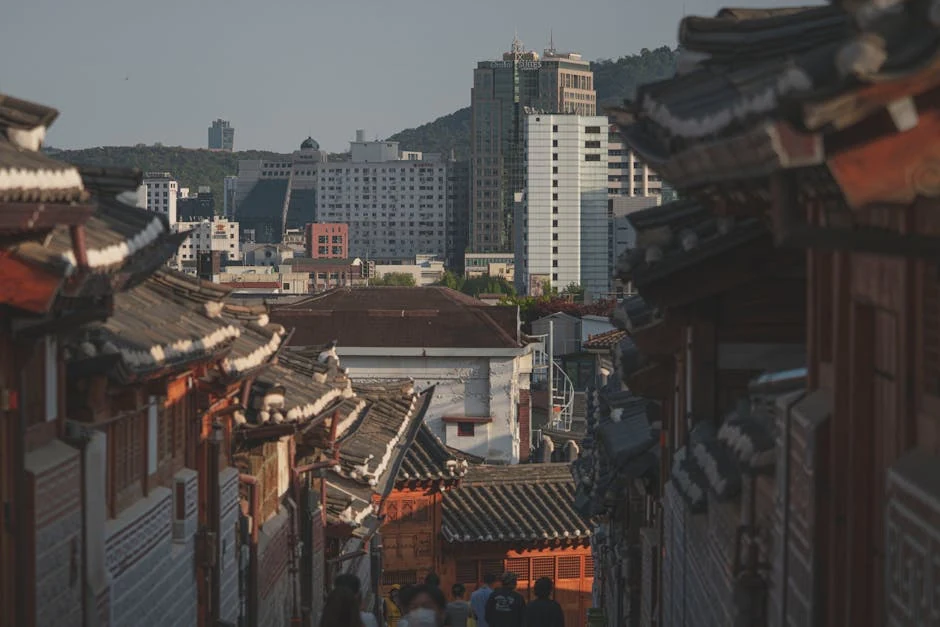
They're also the best rainy-day activity in Seoul by a wide margin. When the forecast turns grey and your Bukchon Hanok Village walk looks miserable, a cooking class saves the day. You're indoors, you're busy, and you end up with a meal. No umbrellas required.
Types of Korean Cooking Classes
Not all classes are the same. Here's a breakdown of what's available so you can pick the right one for your trip.
| Class Type | Duration | Price Range | What You Cook | Location |
|---|---|---|---|---|
| Traditional Korean | 2-3 hrs | ₩45,000-65,000 | Bibimbap, japchae, kimchi | Jongno, Insadong |
| Market Tour + Cooking | 3-4 hrs | ₩65,000-90,000 | Varies — you shop for ingredients first | Gwangjang or Mangwon Market start |
| Royal Korean Cuisine in Hanok | 2-3 hrs | ₩70,000-100,000 | Multi-course royal court dishes | Bukchon (traditional hanok house) |
| Street Food / Tteokbokki | 2 hrs | ₩35,000-50,000 | Tteokbokki, kimbap, hotteok | Various (Hongdae, Insadong) |
| Korean BBQ / Fried Chicken | 2-3 hrs | ₩50,000-70,000 | Korean fried chicken, BBQ marinades, sides | Various |
Which one should you pick? If it's your first time, the traditional Korean class is the obvious choice — bibimbap and kimchi are the dishes you'll actually want to make at home. The market tour combo is worth the extra money if you want a deeper food culture experience beyond just the cooking. The royal cuisine class is the premium option for couples or small groups who want something more intimate. The street food and BBQ classes are lighter, more casual, and great for families with kids.
Top Recommendations
1. Korean Cooking Class in Bukchon (Klook Activity 917)
Best for: First-timers who want a classic experience near the palaces.
This is one of the longest-running cooking classes in Seoul and consistently one of the highest-rated. It's located in the Bukchon Hanok Village area, which means you can combine it with a morning walk through the traditional houses and a palace visit in the afternoon.
You'll typically cook 3-4 dishes — bibimbap, japchae (glass noodles), kimchi, and sometimes a seasonal soup. The instructor speaks English well and adjusts spice levels for the group. Class sizes are small enough (usually 6-10 people) that you actually get individual attention.
Pros:
- Location near Gyeongbokgung makes it easy to build into a full Jongno day
- Well-structured class — you actually learn technique, not just follow steps
- Recipe cards to take home
- Consistently high reviews across multiple platforms
Cons:
- Popular, so it books out 3-4 days ahead during peak season (April, October)
- The standard menu doesn't change much — returning visitors may want variety
- No market tour included at this price point
Price: From ₩45,000 (~$33 USD) per person.
2. OME Cooking Lab with Market Tour (Klook Activity 10304)
Best for: Food-curious travelers who want more than just a cooking class.
This is the one I'd recommend if you have the budget and the time. It starts with a guided walk through Gyeongdong Market — one of Seoul's oldest traditional markets — where you'll buy the actual ingredients you're about to cook. The market visit alone is worth it. You'll see dried medicinal herbs, mountains of dried anchovies, fermented pastes in clay pots, and vendors who've been selling the same products for decades.
After the market tour, you head to the cooking lab and prepare a full Korean meal. The market-to-table format means you understand where the ingredients come from and why Korean cooking relies on specific products. It's the closest thing to cooking with a Korean grandmother that a tourist can experience.
Pros:
- The market tour transforms it from a cooking class into a genuine cultural experience
- You learn about Korean ingredients in context, not just how to use them
- Smaller group sizes because of the market logistics
- 3-4 hours of content — excellent value for the price
Cons:
- Longer commitment (3-4 hours) — not great if you're on a tight schedule
- Market portion involves a fair amount of walking and standing
- Higher price point than basic classes
Price: From ₩65,000 (~$48 USD) per person.
3. Royal Seoul Cooking in Hanok (Klook Activity 138919)
Best for: Couples, special occasions, or anyone who wants a premium experience.
This is the fancy option and it delivers. The class takes place in a restored traditional hanok (wooden Korean house) in the Bukchon area. Groups are capped at 6 people, which makes it feel more like a private lesson than a tourist activity. You'll cook royal court cuisine — dishes that were historically served to Korean kings and queens, with more refined techniques and presentation than everyday Korean food.
The instructor walks you through the history behind each dish as you cook it. The plating is meticulous. You eat at a beautifully set Korean table in the hanok's main room. If you're looking for a memorable experience rather than just learning recipes, this is the one.
Pros:
- Stunning setting — the hanok itself is worth the visit
- Limited to 6 people, so you get real personal attention
- Royal cuisine recipes you won't find in other classes
- Great for dates, anniversaries, or treating yourself
Cons:
- Most expensive option on this list
- Availability is limited — only a few sessions per week
- The dishes are beautiful but complex; harder to replicate at home without specialty ingredients
Price: From ₩70,000 (~$52 USD) per person.
4. Seoul Cooking Club (Klook Activity 116845)
Best for: Solo travelers, friend groups, or anyone who wants a social atmosphere.
Seoul Cooking Club leans into the social side of cooking classes. The vibe is more casual and communal — think less "culinary school" and more "cooking with new friends." They tend to attract a younger crowd, and the instructors keep things energetic and fun. You'll cook Korean staples (bibimbap, Korean fried chicken, tteokbokki) with an emphasis on having a good time rather than perfecting your knife skills.
If you're traveling solo and want to meet people, this is probably the best cooking class for that. The group format and relaxed atmosphere make it easy to chat with other travelers while you cook.
Pros:
- Social, relaxed atmosphere — easy to meet other travelers
- Good variety of menus to choose from
- Accommodating with dietary restrictions
- Central location with easy subway access
Cons:
- Larger group sizes mean less individual instruction
- Less traditional setting — modern kitchen rather than hanok
- The casual vibe might feel less "authentic" if that's what you're after
Price: From ₩50,000 (~$37 USD) per person.
Practical Tips
Dietary Restrictions
Most Seoul cooking classes accommodate vegetarian, vegan, and halal dietary needs — but you need to mention it when you book, not when you show up. The instructors plan ingredients in advance, and swapping out proteins or fish sauce on the spot isn't always possible. Look for a "special requirements" field during booking and spell it out clearly. In my experience, Korean cooking instructors are genuinely accommodating once they know ahead of time.
Best Areas for Cooking Classes
The majority of cooking classes cluster around Insadong and Jongno, which is convenient because that's also where the palaces and traditional neighborhoods are. Plan your cooking class as part of a Jongno day: palace in the morning, cooking class in the afternoon, Insadong tea house in the evening. It's one of the best full-day itineraries in Seoul.
Booking Logistics
- Book 2-3 days ahead minimum. During cherry blossom season (late March to mid-April) and autumn foliage season (October), book a week ahead. Popular classes sell out.
- Morning vs. afternoon sessions: Morning classes (10-11am start) tend to be smaller. Afternoon classes (2-3pm start) fill up faster because tourists finish sightseeing and want an indoor activity.
- Cancellation policies vary. Klook generally allows free cancellation 24-48 hours before. Check the specific listing.
Weather Backup Plan
Seoul weather is unpredictable, especially in spring and summer. A cooking class is the ideal backup plan for a rainy day. Classes run rain or shine — they're entirely indoors. If your forecast shows rain, book a class for that day and save outdoor activities for better weather. You'll feel smug instead of soggy.
Come Hungry
You eat everything you cook. This isn't a demonstration where you watch and take notes — you're making a full Korean meal and sitting down to eat it afterward. Most classes produce 3-4 dishes, which is a substantial amount of food. Skip lunch beforehand (or at least keep it light). A light breakfast and a cooking class that starts at 11am is the perfect combo.
Frequently Asked Questions
Do I need any cooking experience?
No. These classes are designed for complete beginners. The instructors assume you've never held a Korean kitchen knife or worked with gochujang before. Everything is demonstrated step by step, and someone is always nearby to help if you're struggling. You genuinely cannot mess this up — the worst case scenario is your kimchi is cut a little unevenly, and nobody cares.
Are classes conducted in English?
Yes, all the classes listed here are conducted in English. The instructors are fluent and experienced at teaching international visitors. Some also offer classes in Japanese, Mandarin, or Korean — check the listing details if you prefer another language.
Can I bring kids?
Most classes welcome children, though the recommended minimum age varies. Street food and tteokbokki classes tend to be the most kid-friendly because they're shorter and more hands-on. Royal cuisine classes may not be ideal for young children due to the longer format and more delicate work involved. Check the specific listing for age policies — some offer discounted rates for children under 12.
What if I have severe food allergies?
Contact the class provider directly before booking. Korean cooking uses a lot of soy, sesame, shellfish-based broths, and fermented ingredients. A good instructor can work around most allergies with advance notice, but walk-in substitutions are much harder. If you have a serious allergy, put it in writing when you book and confirm it was received.
Book a Cooking Class
Classes fill up fast during peak season — book a few days ahead to secure your spot.
Affiliate links — we may earn a small commission at no extra cost to you.