Jeju Food Guide 2026: 8 Things to Eat (Black Pork, Hairtail, Mandarin)
Jeju has its own cuisine, separate from the rest of Korea. The island's volcanic soil, ocean access, and historical isolation produced a food culture that mainlanders treat as exotic — sea-foraged seaweed, hand-caught hairtail, free-range black pork, and mandarins so good Koreans queue at the airport for them. This guide covers eight dishes worth planning your trip around, plus where to actually eat them.
Find accommodation around here. Browse Jeju food tours here.
1. Heuk-dwaeji (Jeju Black Pork)
Jeju's signature dish. The black pig is a heritage breed, raised free-range on volcanic pastures. The meat is darker, fattier, and more flavorful than mainland pork. The classic preparation is samgyeopsal-style grilled belly, dipped in pink salt and wrapped in lettuce leaves.
Where: Black Pork Street (Heuk-dwaeji Geori), near Jeju City Hall. About 30 restaurants; Donsadon and Dombae Heuk-dwaeji are the favorites. ₩30,000–45,000 per person for 2-3 cuts of pork + sides.
2. Galchi (Hairtail)
Long, silver-skinned fish caught in Jeju waters, prepared three ways: galchi-jorim (braised in spicy radish stew), galchi-gui (grilled whole, sprinkled with coarse salt), and galchi-hoe (raw sashimi-style — only fresh-catch). The fish is sweet, almost buttery. Grilled is the easiest entry point for first-timers.
Where: Galchi restaurants cluster around Seogwipo Olle Market and Dongmun Market. ₩25,000–40,000 per person.
3. Jeonbok-juk (Abalone Porridge)
Jeju's haenyeo (women free-divers) hand-harvest abalone from rocky coastlines. The meat goes into a creamy rice porridge that's the gold standard for hangover cures, postpartum recovery, and warming up cold tourists. Look for the green flecks — that's abalone liver folded back into the porridge for umami.
Where: Onulshi, Mongsang, and any haenyeo restaurant near Seopjikoji or the south coast. ₩15,000–22,000.
4. Dombe-gogi (Boiled Pork)
The opposite of black pork BBQ — boiled pork shoulder, sliced and served with traditional dipping sauces (sesame oil, fermented anchovy, salted shrimp). The cooking method is older than grilling on Jeju and you'll see it served at celebrations. Fattier and more delicate than barbecue.
Where: Local-style restaurants in Aewol or Hanlim. Aewol Heuk-dwaeji Wonjojip is the classic.
5. Omegi-tteok (Millet Cake)
Jeju's signature traditional dessert — small balls of glutinous rice and millet, dusted with red bean or wrapped around sweet azuki paste. Has a chewy, mochi-like texture. Sold by weight at Dongmun Market and most traditional cafes.
Where: Dongmun Market stalls. ₩7,000–10,000 for a box of 10. Buy fresh — they harden after a day.
6. Hallabong & Cheonhyehyang Mandarins
Korean mandarins all come from Jeju's volcanic-soil orchards. The two premium varieties: Hallabong (knobby, with a "topknot" stem — sweet-tangy, January–March) and Cheonhyehyang (smooth, perfumed — December–February). Buy direct from a farm if you can; the airport gift shops mark up 3x.
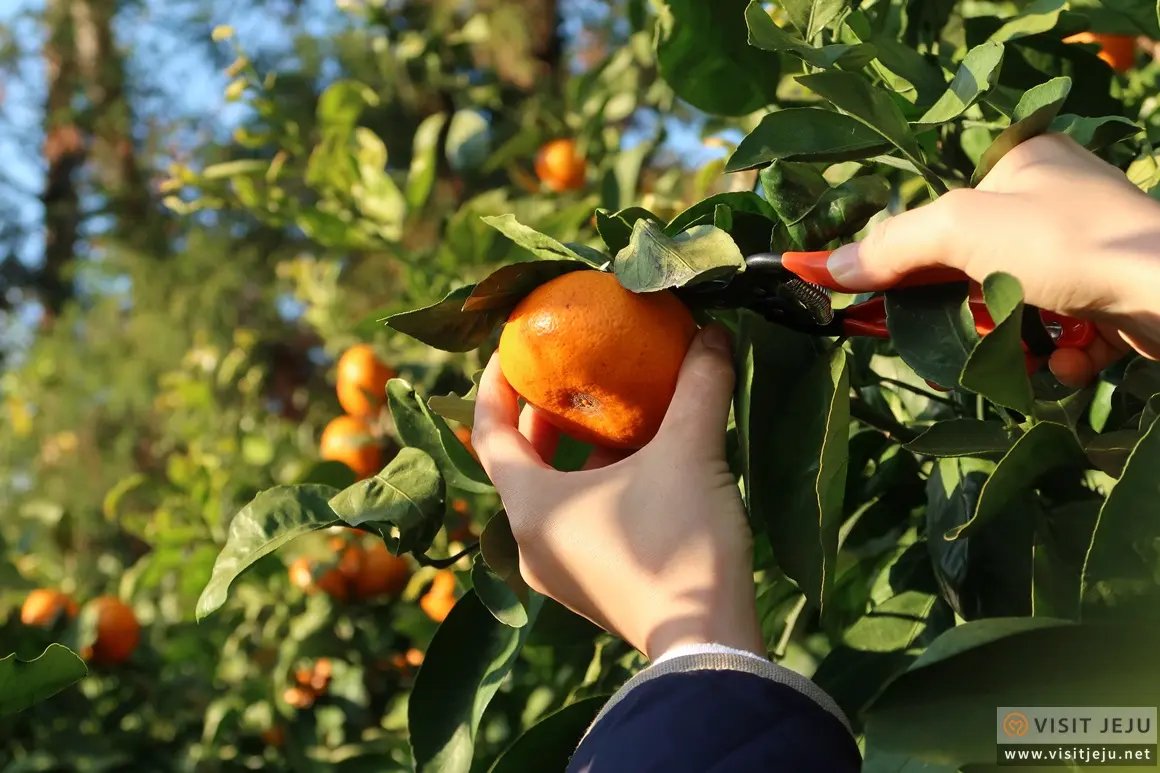
Where: Mandarin farms near Aewol and Pyoseon offer pick-your-own experiences (₩10,000 entry, ₩15,000/kg take-home). Or just buy at any Jeju supermarket — even there they're better than mainland Korea.
7. Bingtteok (Buckwheat Pancake Roll)
A thin, pale-green buckwheat pancake rolled around a savory filling of seasoned daikon radish. Mild flavor, distinctive texture. A traditional snack you'll find at most Jeju markets and traditional restaurants. Cheap (₩2,000) and uniquely Jeju.
Where: Dongmun Market, Seogwipo Olle Market, Lotte Department Store food court.
8. Dongmun Market Night Snacks
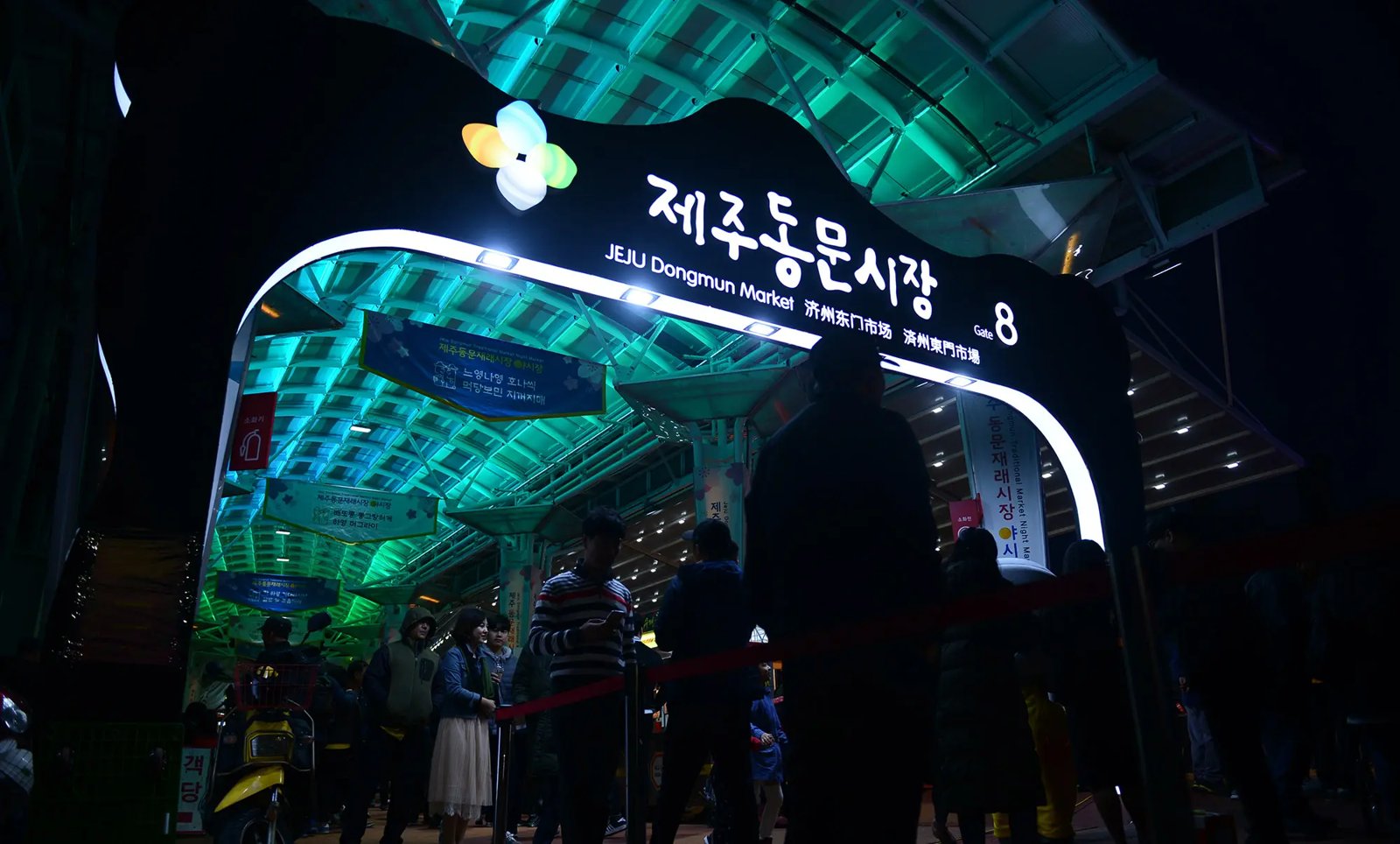
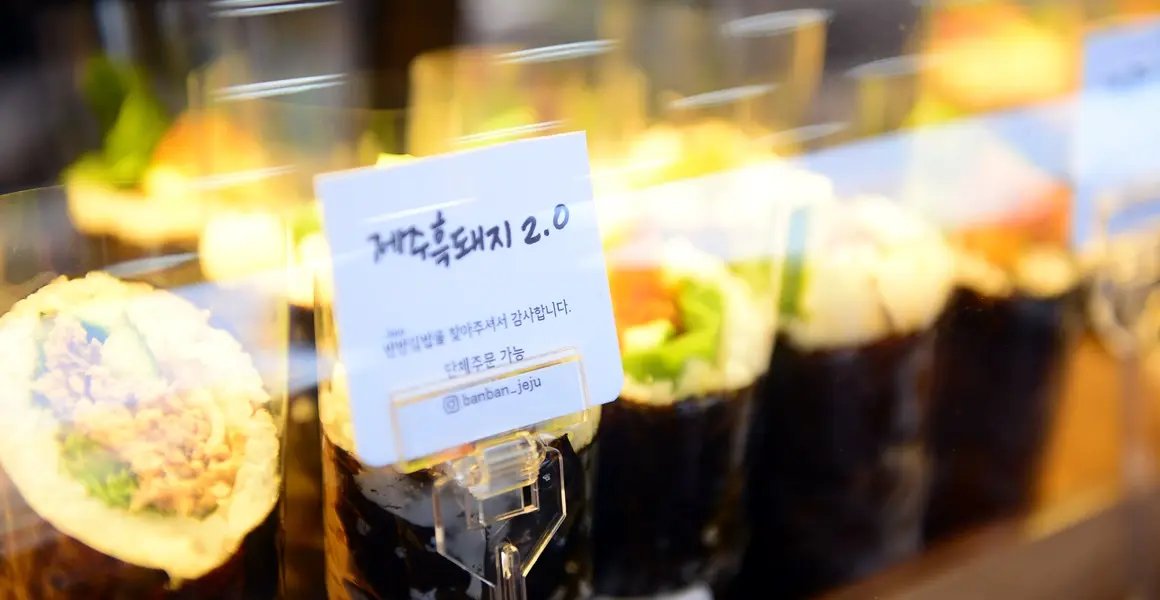
Jeju City's main traditional market transforms after 6pm into a night market. About 30 food stalls serving small-plate Jeju specialties — fish cake skewers, hairtail kimbap, abalone risotto cones, mandarin-glazed rice cakes, octopus ramen. Best for grazing across many specialties without committing to a full meal at each.
Where: Dongmun Traditional Market, central Jeju City. Night market 6pm – midnight, daily.
Where to Stay (Food-Focused)
If food is the priority of your Jeju trip:
- Jeju City: Walking distance to Black Pork Street + Dongmun Market. Best base for first-time food trip.
- Seogwipo: Best for galchi (hairtail) restaurants and Olle Market.
- Aewol: Coastal cafes + traditional pork restaurants. Boutique stays.
Search Jeju City hotels here, or compare prices here.
FAQ
What's the must-eat dish in Jeju?
Black pork (Heuk-dwaeji), no contest. Plan one dinner around it.
Is the food spicy?
Mostly not. Galchi-jorim is mildly spicy; black pork is salty-savory; mandarins are sweet. Easier on Western palates than mainland Korean food.
Can I take mandarins on the plane?
Domestic flights yes (carry-on or checked). International depends on destination — most countries restrict citrus imports.
Are there vegetarian options?
Limited but growing. Bingtteok is vegetarian. Buddhist temple cuisine restaurants in Jeju City do full vegan meals.
What's the best food market for tourists?
Dongmun (Jeju City) is biggest and most accessible. Seogwipo Olle is smaller but more authentic.
More Jeju Travel Guides
- Jeju Island Complete Travel Guide
- Best Cafes in Jeju — coastal cafe scene.
- Jeju 3-Day Itinerary — food stops slotted in.
- Where to Stay in Jeju