Boseong Green Tea Festival 2026: Dates, How to Get There & Tea Field Guide
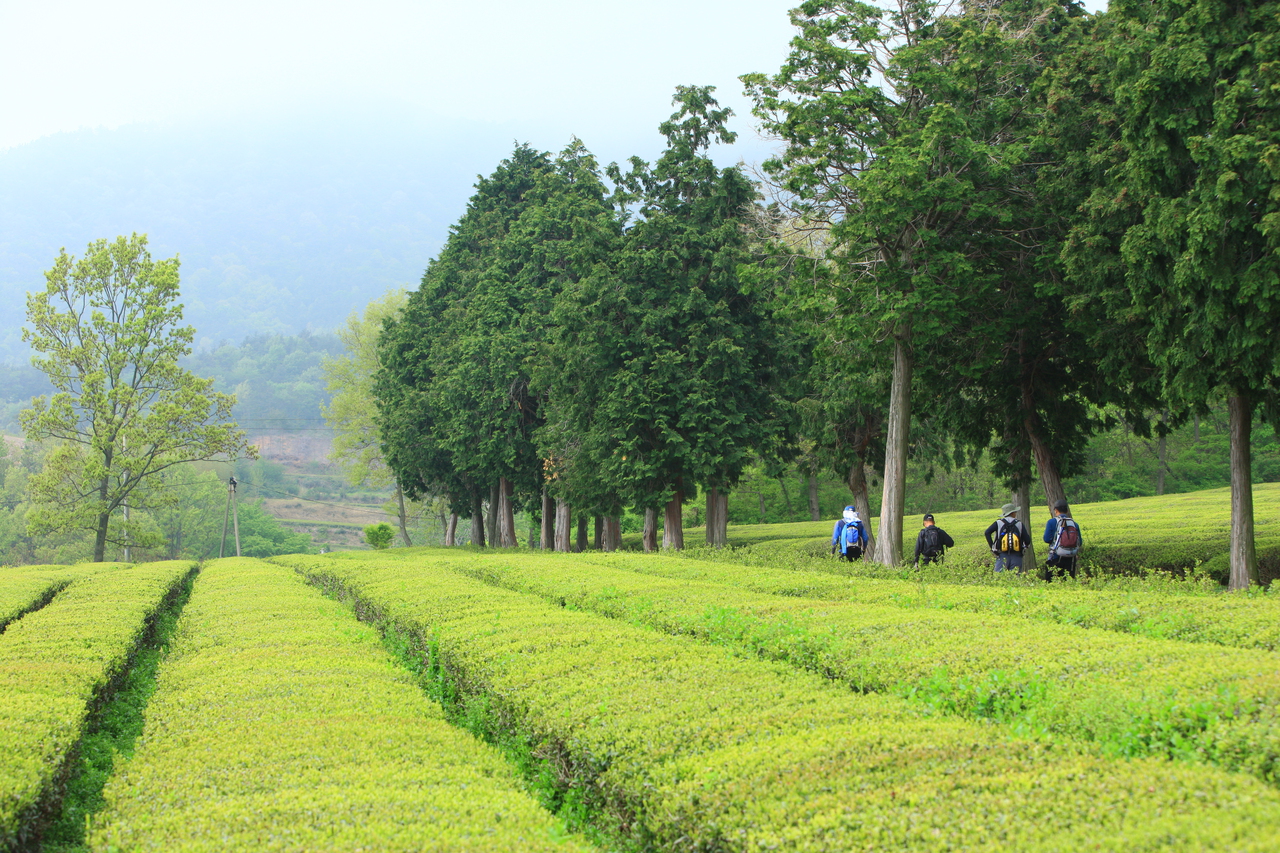
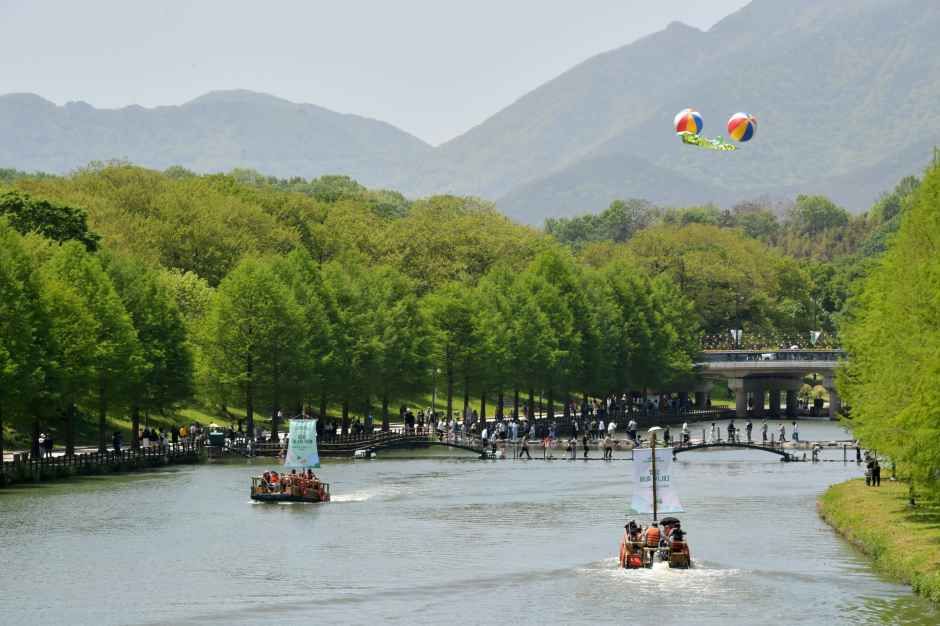
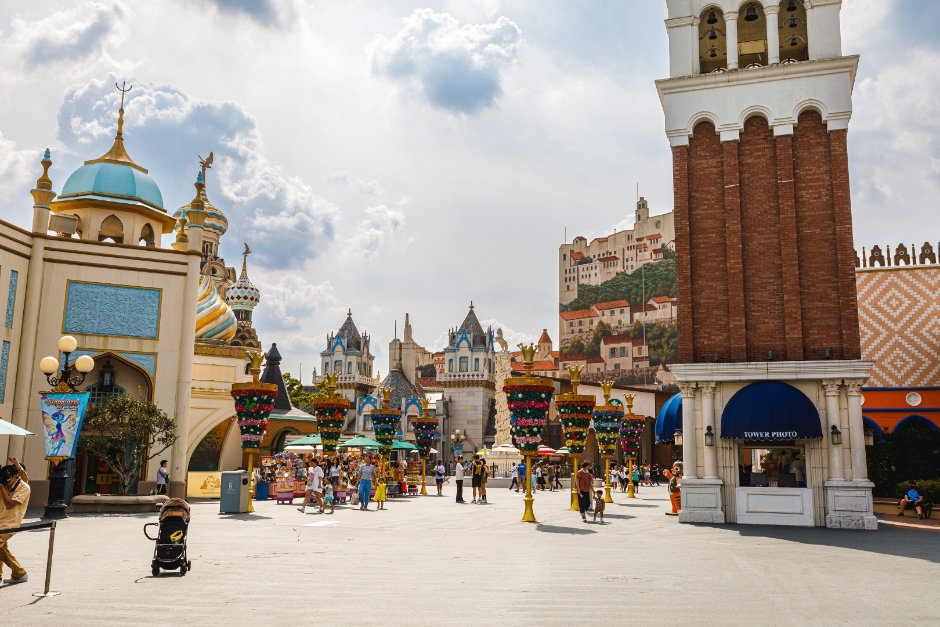
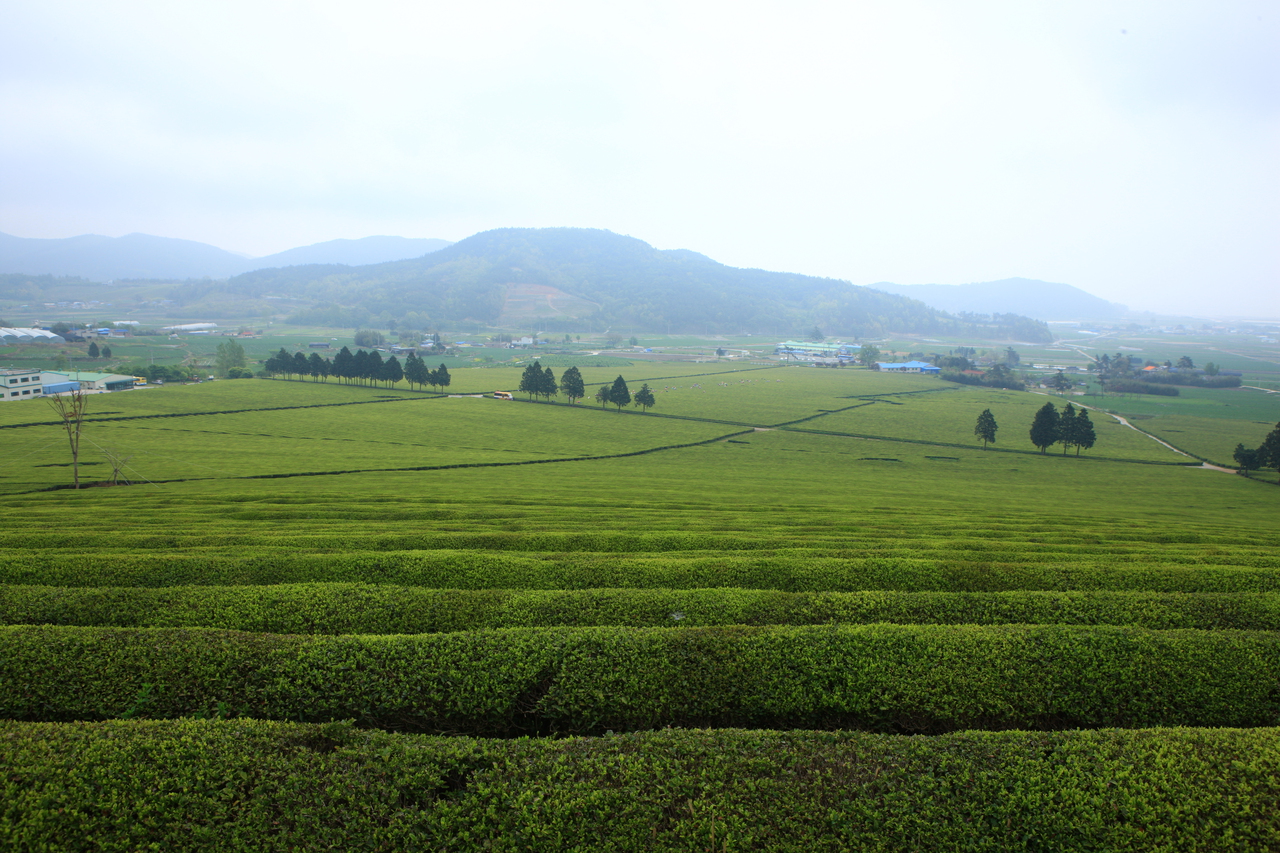
Rolling hills carpeted in impossibly green tea rows, stretching to the horizon under spring sunshine. The Boseong Green Tea Festival (보성다향대축제) is where Korea's most photographed landscape meets its tea culture. Held every May in Korea's largest tea-producing region, it's equal parts agricultural festival, cultural experience, and Instagram paradise.
Boseong (보성) in Jeollanam-do produces 40% of Korea's green tea. The terraced tea fields at Daehan Dawon Plantation have appeared in countless Korean dramas and tourism posters. During the festival, you can pick tea leaves by hand, learn traditional tea ceremonies, walk through the fields at sunrise, and eat everything from green tea ice cream to green tea bibimbap.
Book Your Boseong Trip
Boseong is 4 hours from Seoul — consider an overnight stay:
2026 Festival Dates
| Detail | Info |
|---|---|
| Festival Period | May 1–5, 2026 (Fri–Tue) |
| Opening Ceremony | May 1, 10:00 AM |
| Tea Picking Experience | Daily 10:00–16:00 |
| Admission (Daehan Dawon) | ₩5,000 adult / ₩3,000 child |
| Festival Grounds | Free entry |
What to Expect
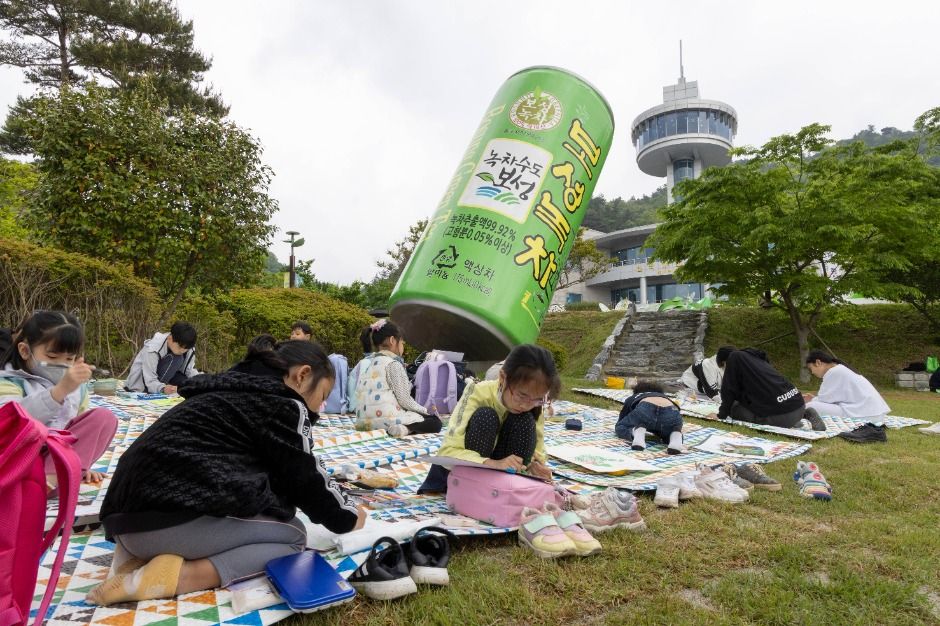
The festival centers around the Korean Tea Cultural Park (한국차문화공원) and the famous Daehan Dawon Plantation (대한다원). The atmosphere is relaxed, rural, and unhurried — the opposite of Seoul's frenetic energy. Think: grandmothers serving hand-roasted tea, children running through tea rows, and folk musicians playing under pine trees.
Most visitors are Korean families and couples. International tourists are still rare here, which means you'll get authentic local interactions and very few tourist-trap prices.
The Tea Fields
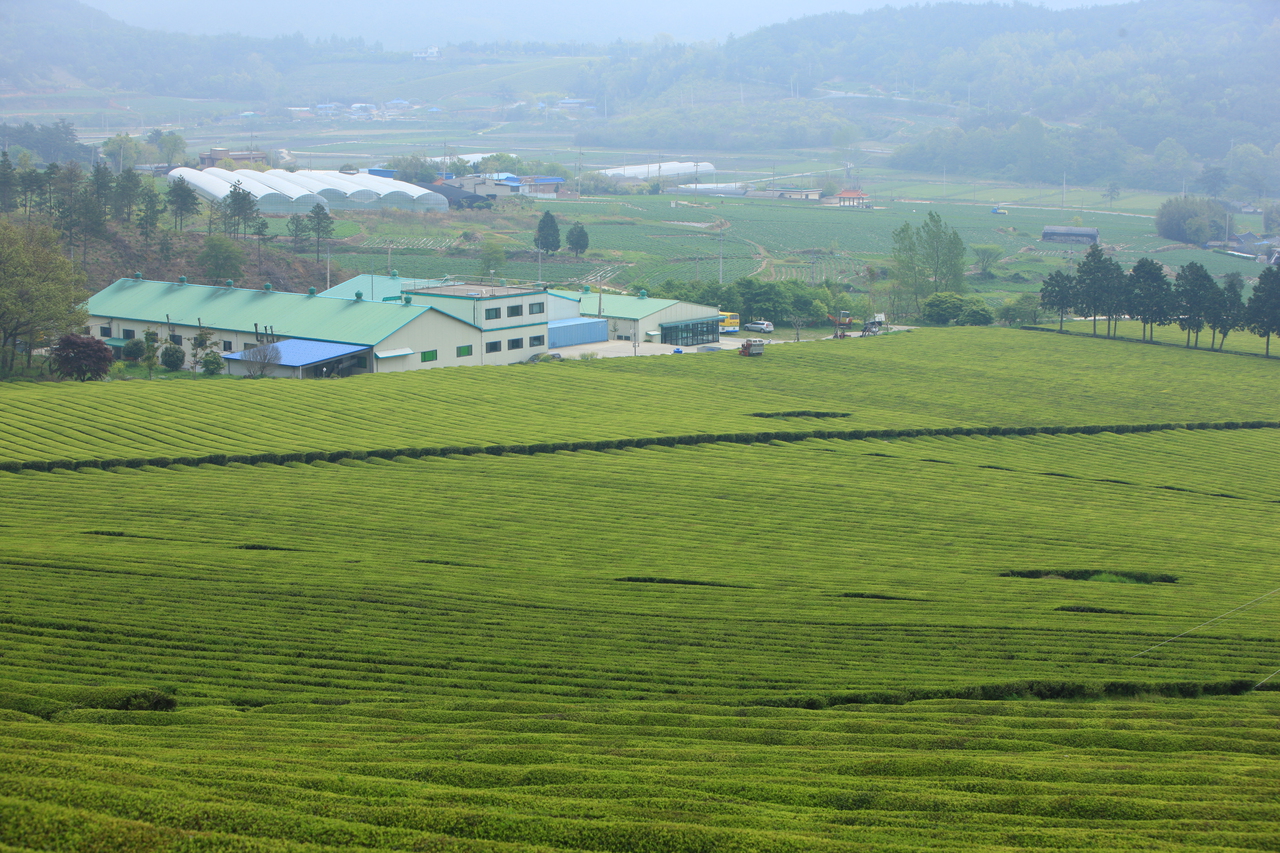
The star attraction is the Daehan Dawon Plantation — Korea's largest tea field at 660,000 square meters. The perfectly manicured rows of tea bushes follow the contours of the hillside, creating the signature "green carpet" effect that's become one of Korea's most iconic landscapes.
Best photo times:
- Sunrise (5:30–6:30 AM) — Mist hangs in the valleys between tea rows. Magical. The plantation opens at 6 AM during festival season.
- Golden hour (17:00–18:30) — Warm light on green leaves. The crowds are gone by 5 PM.
- Overcast days — The green pops more without harsh shadows. Don't skip a cloudy day.
View Daehan Dawon on Naver Map
Festival Activities
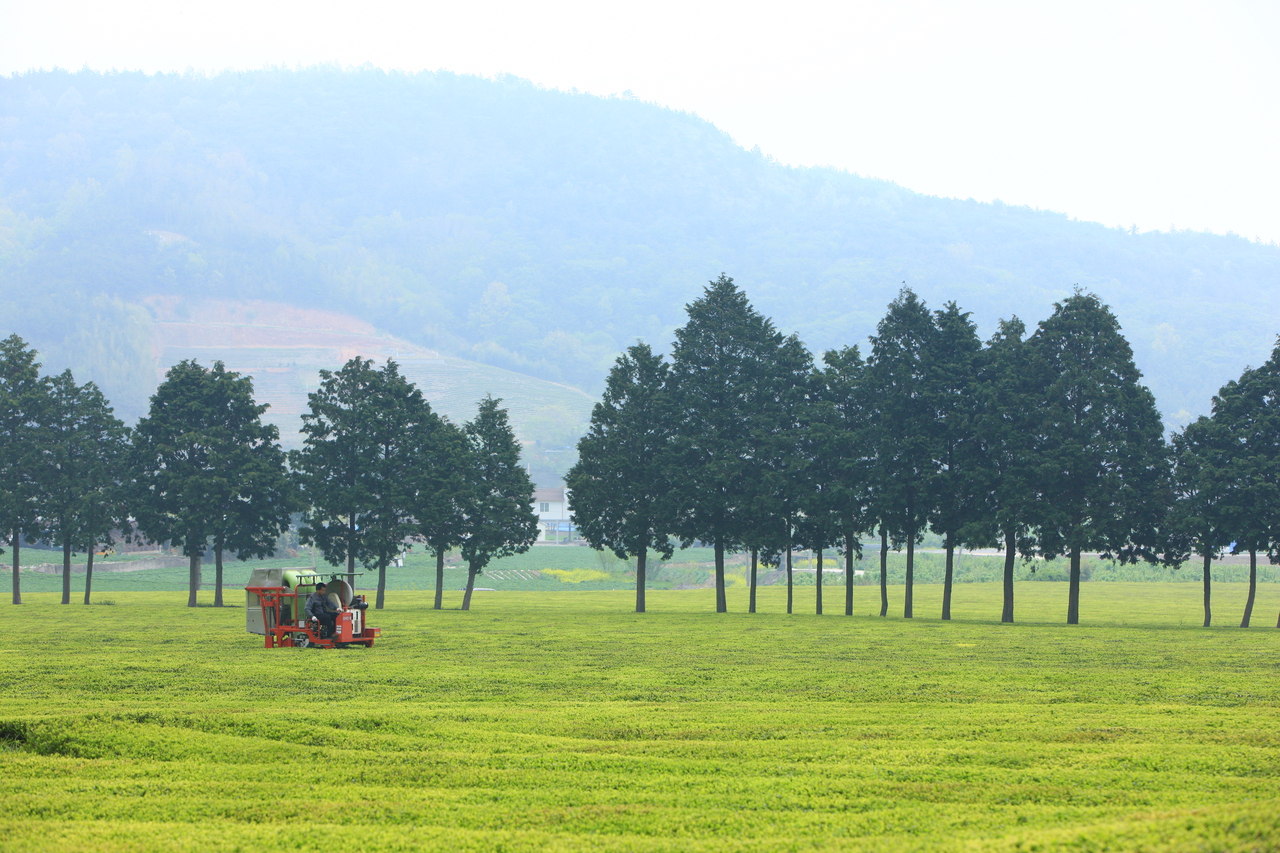
- Tea Picking (다따기 체험) — Wear a traditional hat and apron, pick fresh tea leaves by hand. ₩10,000, includes taking home your picked tea.
- Tea Roasting Workshop — Watch masters hand-roast green tea in iron pans. Some workshops let you roast your own batch.
- Tea Ceremony (다도 체험) — Traditional Korean tea ceremony with a tea master. Learn the proper way to brew and drink Korean green tea. ₩5,000-10,000.
- Green Tea Foot Bath — Soak your feet in warm green tea water. Free at the festival grounds.
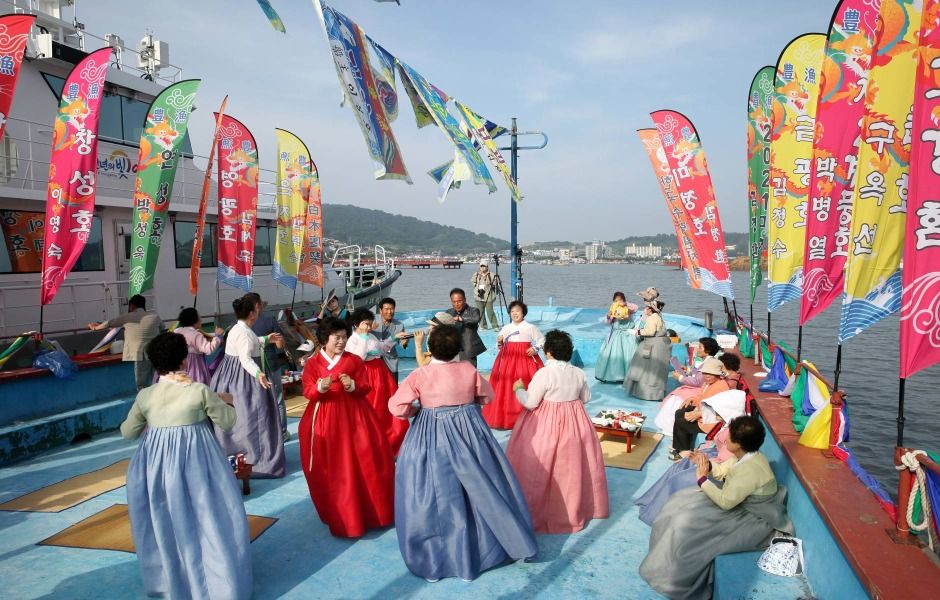
- Folk Performances — Pansori singing, traditional drum performances, and local dance throughout the day.
How to Get There
From Seoul (4 hours)
| Option | Route | Time | Cost |
|---|---|---|---|
| KTX + Bus | Seoul → Gwangju Songjeong (KTX) → Boseong (bus) | ~3.5 hours | ₩45,000-55,000 |
| Express Bus | Seoul Central City → Boseong Bus Terminal | ~4.5 hours | ₩25,000-30,000 |
| Rental Car | Seoul → Honam Expressway → Boseong | ~4 hours | ₩60,000-80,000/day |
🚕 Taxi from Boseong Bus Terminal to Daehan Dawon: ~₩10,000, 15 minutes. Show your driver: 대한다원 녹차밭
From Gwangju (1.5 hours)
Take intercity bus from Gwangju Bus Terminal to Boseong (₩8,000, runs every 30 min). If you're already exploring Gwangju, Boseong makes an easy day trip.
Where to Stay
Boseong is a small town — accommodation is limited but affordable. Book early for festival dates.
- Boseong town — Budget motels and pensions, ₩40,000-80,000/night
- Tea plantation pensions — Hanok-style stays near the tea fields, ₩80,000-150,000/night
- Gwangju — More hotel options, 1.5 hours away by bus. Good if you want to combine with city attractions.
Food & Tea Experiences
- Nokcha bossambap (녹차보쌈밥) — Pork belly wrapped in green tea leaves with rice. Boseong's signature dish.
- Green tea ice cream — Everywhere. The real thing, made with local matcha, is noticeably better than convenience store versions.
- Green tea bibimbap — Rice mixed with vegetables and green tea powder. Available at restaurants near the plantation.
- Nokcha latte — Fresh green tea latte from the plantation cafe (₩5,000)
- Tea leaf tempura — Fried tea leaves as a snack. Surprisingly crispy and addictive.
Insider Tips
- Stay overnight — Don't try this as a day trip from Seoul. The 4-hour each way journey is exhausting. Stay at least one night.
- Visit the night light show — Daehan Dawon runs an LED light installation through the tea fields at night during the festival. Separate ticket (₩5,000).
- Combine with Yulpo Beach — 20 minutes from Boseong. A quiet beach with hot spring baths nearby. Perfect after a day of walking tea fields.
- Buy tea directly — Tea from the plantation shop is fresher and cheaper than Seoul department stores. "Ujeon" (우전) is the premium first-flush spring harvest.
- Bring cash — Some small vendors and experiences don't take cards.
FAQ
Is the Boseong tea festival worth the long trip?
If you love nature, photography, or tea culture — absolutely yes. The landscape is unlike anything else in Korea. If you only have 3-4 days in Korea and are based in Seoul, the travel time makes it difficult.
Can I visit the tea fields outside festival dates?
Yes. Daehan Dawon is open year-round (₩5,000 admission). The fields are green from April through October. Festival adds activities, performances, and atmosphere, but the landscape is beautiful anytime.
Is it accessible without a car?
Possible but not convenient. Buses from Boseong terminal to the plantation are infrequent. A taxi from the terminal is the practical option (₩10,000).