Best Activities in Jeju 2026: Hallasan, Beaches, and Aqua Planet
Jeju Island sits about an hour by air from Seoul and operates on a different rhythm from the mainland. The landscape is volcanic — craters, lava tubes, coastal cliffs, and a dormant volcano that dominates the entire island. The pace is slower, the food leans toward seafood and citrus, and the outdoor activities are genuinely world-class. Whether you have two days or a week, Jeju rewards the visitors who move beyond the main coastal road and actually explore.
This guide covers the best activities in Jeju in 2026, from summit hikes to underwater encounters, organized by type so you can build an itinerary that matches your energy level and interests.
🎟️ Book Jeju Activities Before You Arrive
1. Hallasan National Park
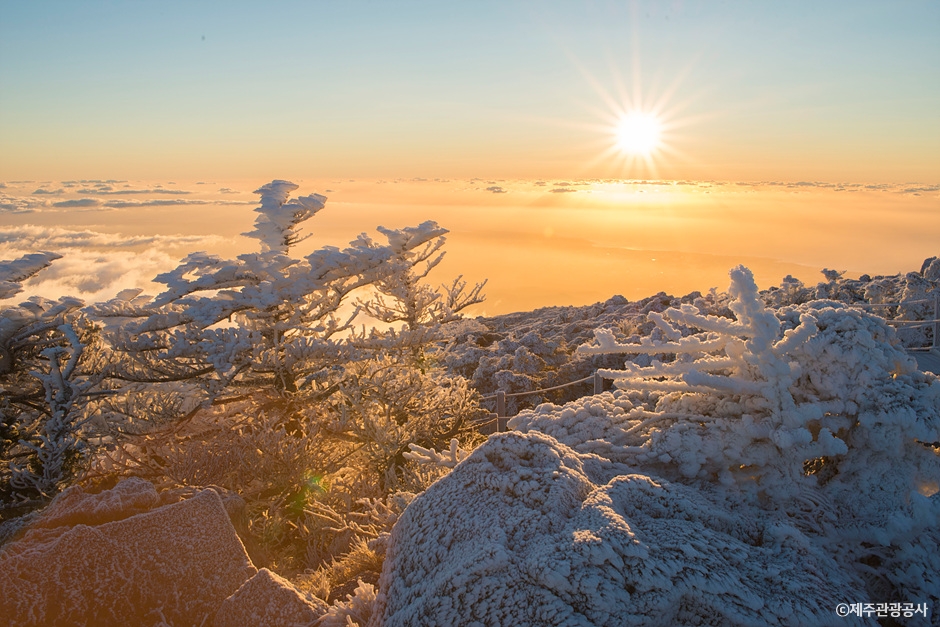
Hallasan is South Korea's highest mountain at 1,947 meters and the dormant volcano that created Jeju Island. Hiking to the Baengnokdam crater lake at the summit is the island's most rewarding physical activity — the views on clear days extend all the way across Jeju and out to sea. There are two main summit trails: Seongpanak (longer, more gradual, widely considered the better route) and Gwaneumsa (steeper, more dramatic). Both take four to six hours return. Entry to the upper sections closes at a fixed hour each day depending on season, and the trails do not allow dogs or open fires. Check the Korea National Park Service website for current cutoff times before you go.
2. Seongsan Ilchulbong (Sunrise Peak)
Seongsan Ilchulbong is a UNESCO World Heritage tuff cone that rises sharply from the eastern tip of Jeju. The crater at the top is enormous — a broad green bowl surrounded by jagged rock walls. The hike to the rim takes about 20 to 30 minutes and is steep but manageable. Sunrise here is genuinely beautiful on clear mornings, which means arriving before 6am is common practice. If you miss the sunrise, the view is still excellent later in the morning. The adjacent fishing village at the base has haenyeo (female divers) demonstrations at certain hours — a rare chance to see this traditional practice in context.
3. Manjanggul Lava Tube
Manjanggul is one of the longest lava tube systems in the world and another UNESCO-designated site on Jeju. Visitors walk through about one kilometer of the tube on a concrete path — the ceiling vaults to seven meters in places, and the formations inside include lava stalactites and a large lava column at the far end. The temperature inside stays cool year-round, making it a welcome break in summer. The experience takes about 40 minutes at a relaxed pace. Manjanggul is in the Gujwa area near the east coast, roughly 30 minutes from Seongsan, so combining the two in a half-day east coast circuit makes sense.
4. Udo Island Day Trip
Udo is a small island reachable by ferry from Seongsan Port in about 15 minutes. The island has its own beaches, a lighthouse, peanut ice cream (a Udo specialty), and a peaceful pace that contrasts with the mainland coast. Most visitors rent a bicycle or small electric vehicle on arrival and spend three to four hours looping the island's roads. The Seobin Baeksa beach on the southwest side has white coral sand unusual for a volcanic island. Udo is genuinely worth the detour if you are already visiting Seongsan — do not leave Jeju without at least a half-day here.
5. Aqua Planet Jeju
Aqua Planet Jeju near Seongsan is one of the largest aquariums in Asia and the anchor attraction for visitors who want an indoor day option. The facility spans multiple floors and features a massive main tank with sharks, manta rays, and large schools of fish visible through floor-to-ceiling glass. Beluga whale exhibits, otter habitats, and regular dive shows run throughout the day. This is one of the better family activities on the island and holds up well even if you have visited aquariums elsewhere — the scale and variety of the main tank are genuinely impressive. Book tickets in advance on Klook to avoid peak-period queues.
6. Haenyeo Museum and Cultural Experience
The haenyeo — Jeju's traditional female free-divers — are a UNESCO Intangible Cultural Heritage and one of the island's most distinctive living traditions. The Haenyeo Museum in Gujwa documents the history of the practice, the equipment used, and the social structure of haenyeo communities. Admission is low and the exhibits are well laid out. For a more direct experience, Seongsan and several coastal villages offer scheduled haenyeo demonstrations where you can watch women dive, surface, and sort their catch. Combining the museum with a Seongsan visit is a logical full-day east coast itinerary.
7. Heukdwaeji (Black Pork) BBQ
Jeju's black pork (heukdwaeji) is a breed-specific product and one of the island's most celebrated foods. The meat is darker, more intensely flavored, and higher in fat than standard pork, and the best preparations are cooked over wood or charcoal at the table. The strip of restaurants around Jeju City's Heukdwaeji Street near the old downtown is the most reliable place to eat it — the concentration of dedicated barbecue restaurants here means competition is high and quality is consistently good. This is a dinner experience; plan for at least 90 minutes including side dishes and soju.
8. Camellia Hill
Camellia Hill in Andeok Valley on the western edge of Jeju is a privately maintained garden with one of the largest collections of camellia varieties in Asia. Peak bloom is January through March, but the garden stays scenic through spring with magnolias and hydrangeas filling in later. Even outside peak flower season, the trails through the mature garden and the reconstructed European-style structures make it a pleasant two-hour stop. It is also one of the most photographed spots on Jeju, particularly among Korean visitors — expect crowds during peak season weekends.
9. Hamdeok and Hyeopjae Beaches
Jeju's beaches vary significantly in character. Hamdeok on the north coast is particularly striking: shallow, clear water with a dark volcanic rock ridge visible just offshore, surrounded by pine forest. It is one of the better swimming beaches on the island and feels less developed than the main Jeju City coastal strip. Hyeopjae on the west coast has bright turquoise water and white sand — unusual on a volcanic island — and is often described as having a Caribbean quality on sunny days. Both beaches have basic facilities and tend to get busy in July and August.
10. Jeju Olle Trail
The Jeju Olle Trail is a network of 26 walking routes totaling over 400 kilometers that circle and cross the island. Each Olle route is marked by a characteristic blue and orange ribbon and typically takes four to six hours to complete. The trails pass through coastal cliffs, farming villages, stone walls, beach sections, and forest. Route 1 from Seongsan to Seopjikoji is widely considered the most dramatic. Route 7 on the west coast through Hyeopjae is the most beach-oriented. The Olle Foundation website has current route conditions and starting point GPS coordinates.
Getting around Jeju for activities
Jeju's top attractions are spread across an island roughly 73km wide, and public buses — while they exist — run infrequently and make the east coast circuit take most of a day by itself. The honest advice: rent a car. An international driving permit and a credit card are all you need, and car hire costs less than a single guided tour in most cases. Compact cars are plentiful at Jeju Airport; book online the night before rather than at the counter. Scooter rentals are available near Jeju City and on Udo Island if you prefer.
The island divides naturally into an east circuit (Seongsan Ilchulbong, Manjanggul, Udo Island, Haenyeo Museum — budget a full day) and a west circuit (Hyeopjae Beach, Camellia Hill, Hallim Park, coastal cliffs — another full day). Hallasan is central and best done as a standalone full day. Three to four days with a car lets you cover all three circuits without rushing.
What to book before you arrive
Hallasan trails don't require permits, but they have strict daily cutoff times for entry to the upper sections (as early as noon on the Seongpanak route in winter). Check the Korea National Park Service website and plan your start time accordingly — missing the cutoff means turning around. Aqua Planet tickets bought through Klook save around 20% off gate price and skip the ticket queue during peak season. If your trip overlaps with cherry blossom or autumn foliage season, popular rental cars and accommodation near Seongsan sell out fast — book both well ahead. Everything else on Jeju can reasonably be decided on the ground.
Activity picks by trip length
2 days: Day 1 — east circuit (Seongsan at sunrise, Manjanggul, Udo ferry). Day 2 — Hallasan summit hike (full day, return by dusk). Skip Camellia Hill and save it for a return trip.
3 days: Add a west circuit day — Hyeopjae Beach, Camellia Hill, and heukdwaeji BBQ dinner in Jeju City. This is the most efficient version of Jeju for first-timers.
5+ days: Walk one full Olle Trail route (Route 1 from Seongsan is the classic), visit the Haenyeo Museum properly, explore Seogwipo on the south coast, and take an afternoon to simply drive the coastal road with no agenda. Jeju rewards slower travel significantly.
Best seasons for each activity type
Hiking (Hallasan, Olle Trails): Spring (March–May) and autumn (September–November) offer the best visibility and trail conditions. Summer is viable but hot and occasionally typhoon-disrupted. Winter is cold at altitude but Hallasan in snow is striking if you have the gear.
Beaches (Hamdeok, Hyeopjae): July and August are peak swimming season — warm water, lifeguards, full facilities, and significant crowds. May–June and September are quieter with still-pleasant conditions.
Camellia Hill: January through March for peak camellia bloom. The garden stays open and scenic year-round but the flower display is the main draw.
Udo Island: Late spring and early autumn hit the sweet spot — calm ferry crossings, good beach conditions, and fewer day-trippers than July–August peak.
| Activity | Location | Best For | Duration |
|---|---|---|---|
| Hallasan Hike | Center of Jeju | Active travelers | Full day |
| Seongsan Ilchulbong | East Jeju | Sunrise, views | 2–3 hours |
| Manjanggul Lava Tube | East Jeju | Geology, cool escape | 1 hour |
| Udo Island | Off east coast | Beaches, cycling | Half day |
| Aqua Planet Jeju | Near Seongsan | Families, rainy days | 3–4 hours |
| Heukdwaeji BBQ | Jeju City | Food lovers | Evening |
| Camellia Hill | West Jeju | Gardens, photography | 2 hours |
| Olle Trail | Multiple routes | Long-distance walking | 4–6 hours/route |
Related Guides
- Jeju Island Travel Guide — complete planning guide for all trips
- Jeju in Summer — beaches, festivals, and what to expect
- Things to Do in Jeju — extended activity list
- Where to Stay in Jeju — best areas and hotel picks
- Korea Bucket List — top experiences across the country
- Korea Itinerary — 7, 10 and 14-day plans including Jeju